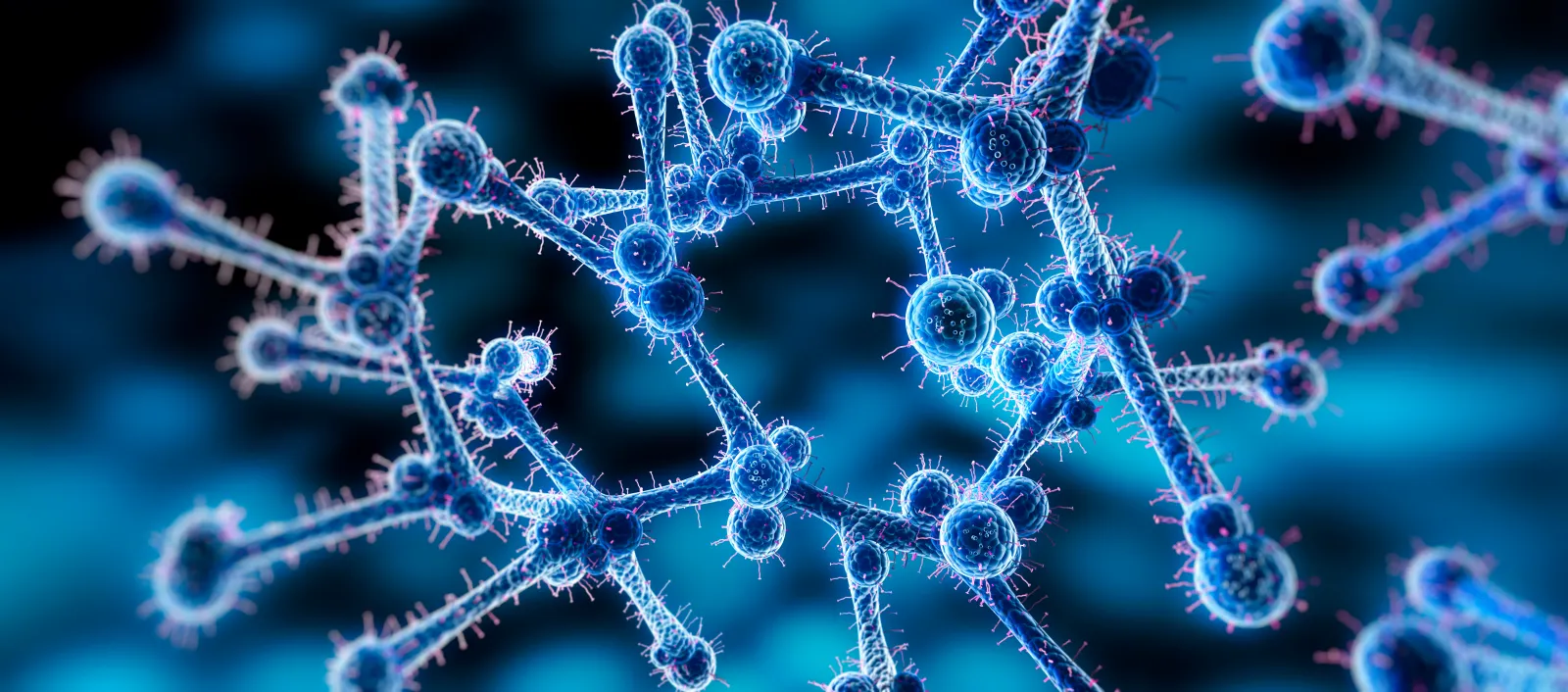
...

By Melissa Fleur Afshar
Reporter
0
Share
Newsweek is a Trust Project member
See more of our trusted coverage when you search.Prefer Newsweek on Googleto see more of our trusted coverage when you search.
A deadly fungus is spreading across the U.S., with researchers reporting that it carries a high level of resistance to convential treatments.
Candida auris, a species of fungus first identified in Japan back in 2009, is being monitored in the U.S. as fears emerge that it could pose a deadly threat to people across the country.
Although the superbug has been known for several years, a new review led by researchers from the Hackensack Meridian Center for Discovery and Innovation (CDI) has labeled it a growing threat, thanks to its increasing resistance virulence.
Read More on Health
The fungus can be a particular danger to vulnerable people who are immunocompromised. It has already infected at least 7,000 people across 27 U.S. states so far this year, according to data collected by the Centers for Disease Control and Prevention.
...
The study, published in Microbiology and Molecular Biology Reviews, found that the cell wall of the fungus is unique in that its dense structure helps it resist drugs and host interactions.
It has also developed ways to survive, for instance, by switching from yeast growth to filament-driven spread.
It can also latch onto human skin and switch its phenotypic genetic expression when its environment changes, all of which add to its skill in evading treatment methods.
Candida auris stands as a particularly severe threat, but all invasive fungal infections, which affect around 6.5 million people per year, are linked to high mortality rates.
There are strategies available to combat Candida auris infection. While the superbug can develop ways to evade the immune response, vaccination and treatment strategies are possible, but researchers would like them to be strengthened.
Four classes of antifungal drugs are currently available, with varying degrees of efficacy, and three new drugs are currently in trials or at newly approved stages. Lab tests have proved tricky so far, with results sometimes leading to misidentification as other yeasts. This can delay the path to finding reliable treatment options.
"Taken together, these data underscore the need to develop novel antifungal agents with broad-spectrum activity against human fungal pathogens, to improve diagnostic tests, and to develop immune- and vaccine-based adjunct modalities for the treatment of high-risk patients," the researchers said in a joint statement.
"In addition, future efforts should focus on raising awareness about fungal disease through developing better surveillance mechanisms, especially in resource-poor countries.
"All these developments should help improve the outcomes and prognosis of patients afflicted by opportunistic fungal infections."
Do you have a tip on a science story that Newsweek should be covering? Do you have a question about Candida auris? Let us know via science@newsweek.com.
Reference
Chowdhary, A., Lionakis, M. S., & Chauhan, N. (2025). Candida auris: Host interactions, antifungal drug resistance, and diagnostics. Microbiology and Molecular Biology Reviews. https://doi.org/10.1128/mmbr.00187-22
View 0 Comments
Submit Correction
View Editorial & AI Guidelines