...

By Amira El-Fekki
Middle East News Reporter
0
Share
Newsweek is a Trust Project member
See more of our trusted coverage when you search.Prefer Newsweek on Googleto see more of our trusted coverage when you search.
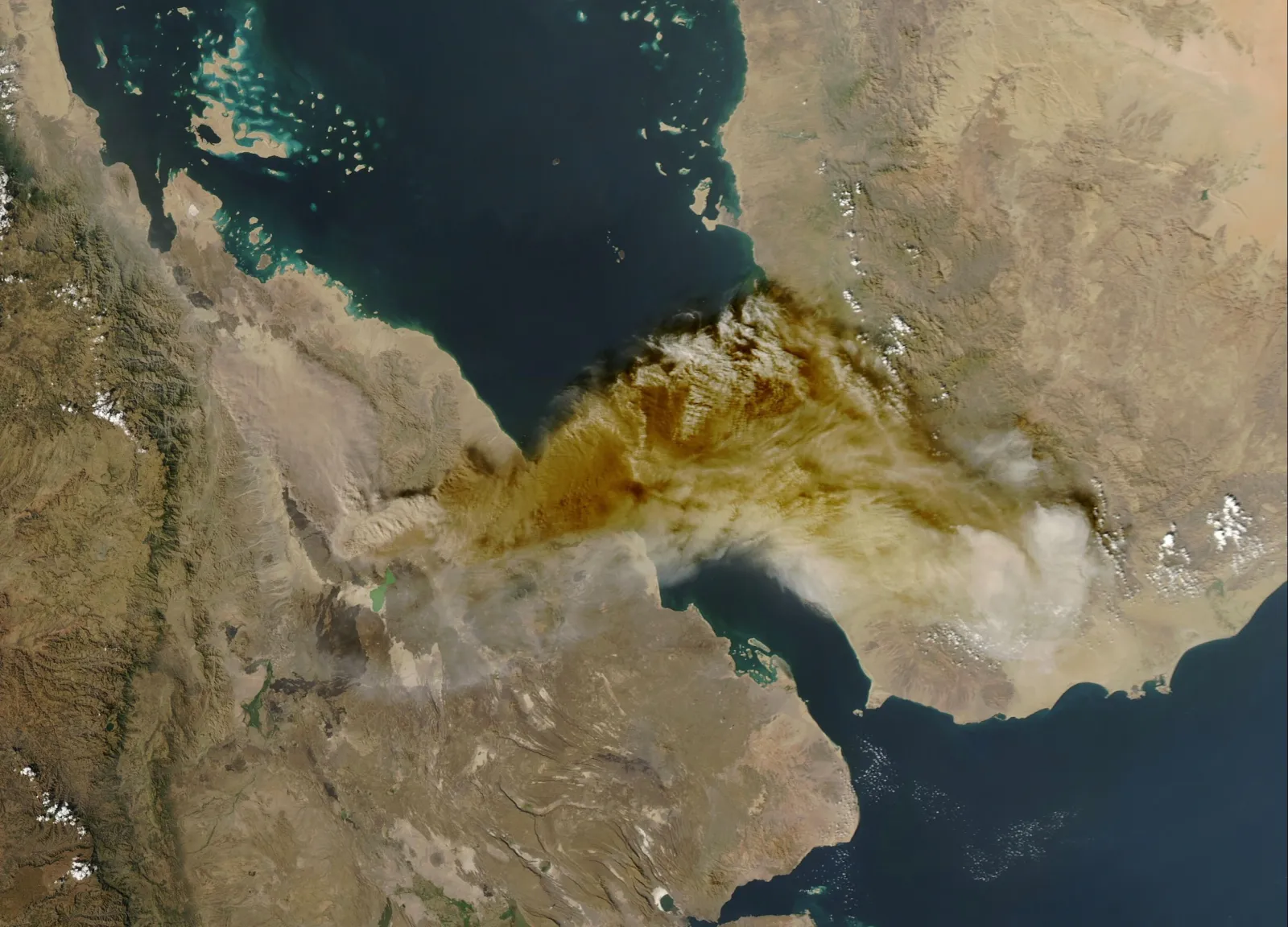
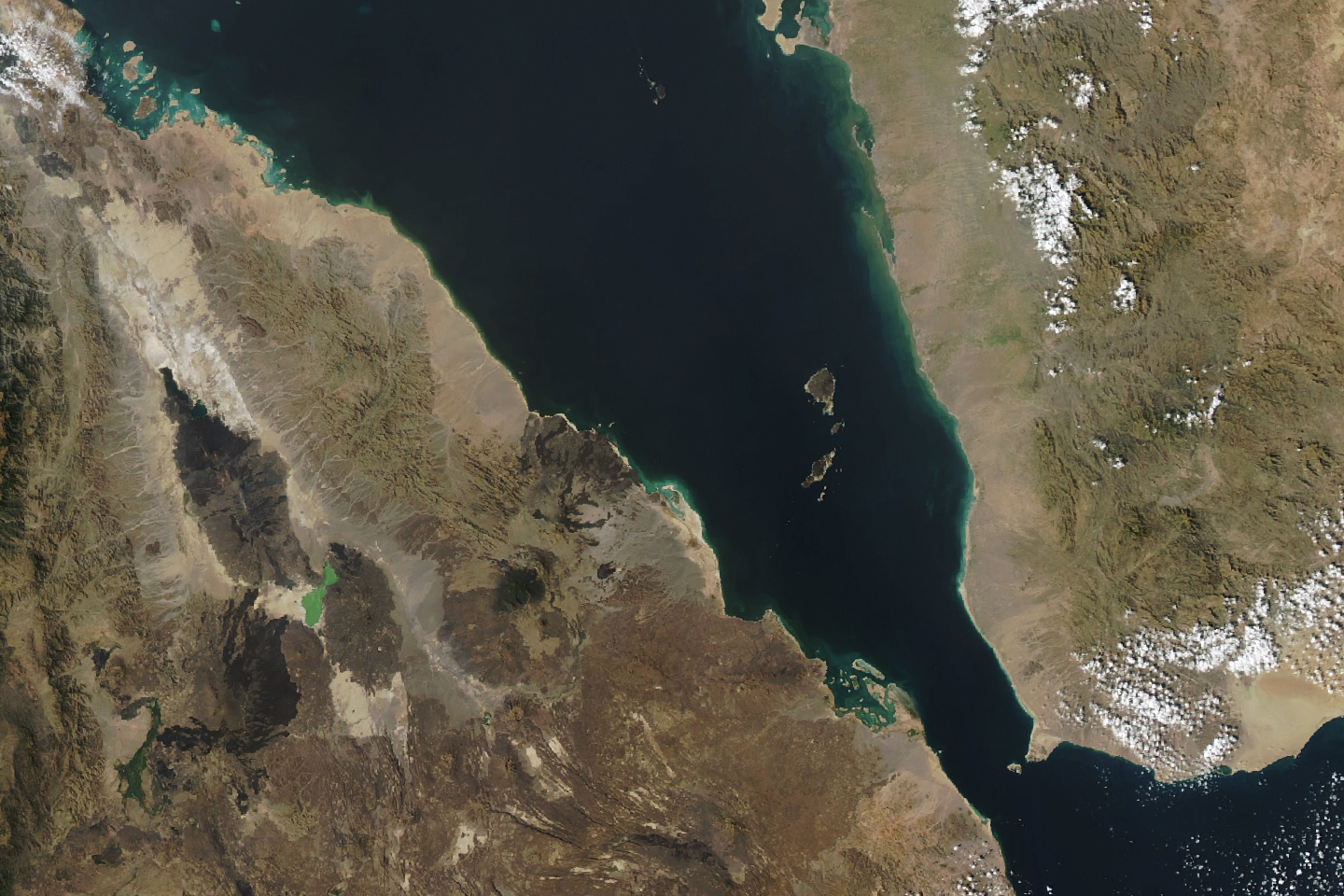
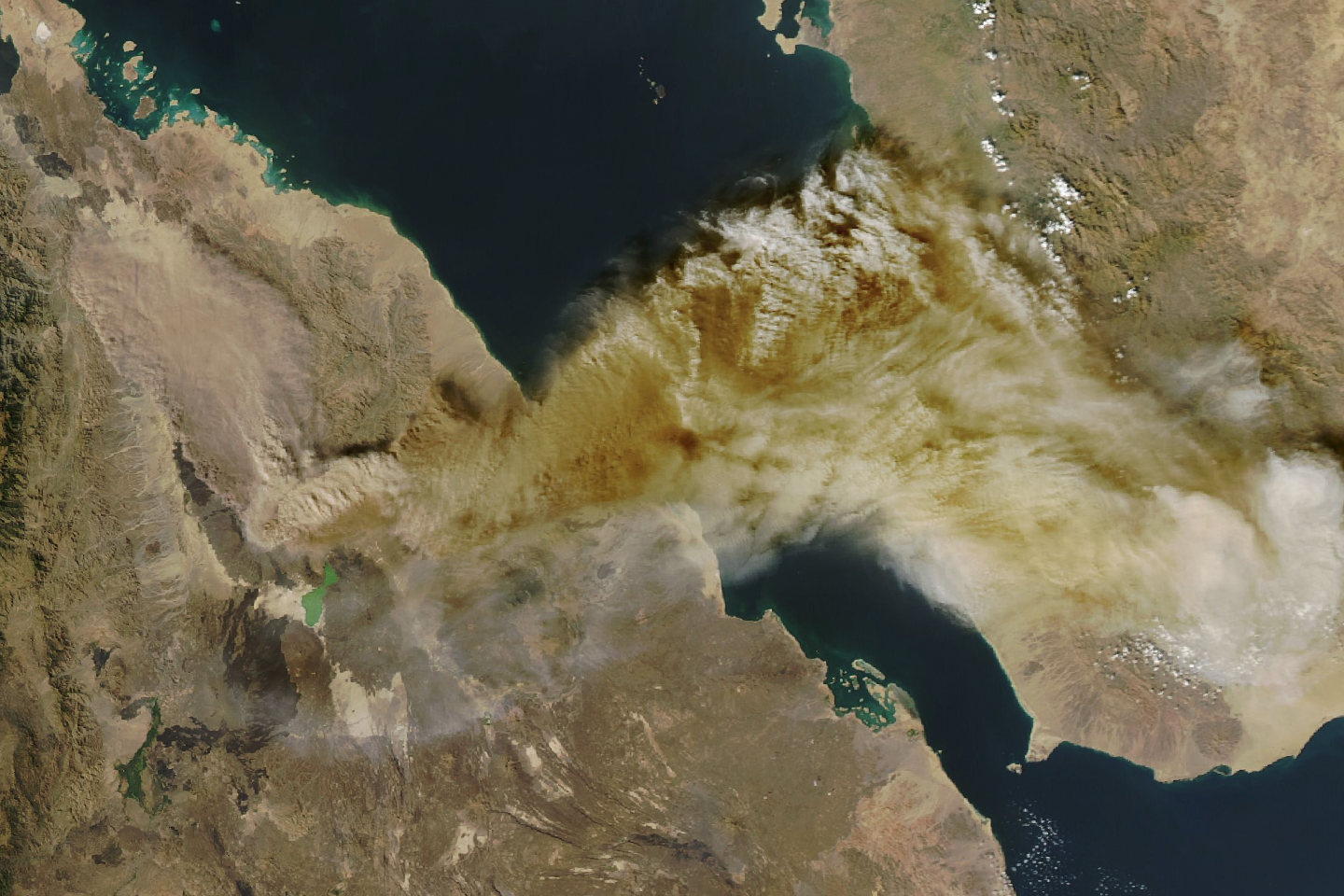
NASA released satellite images showing the activity of Ethiopia’s dormant Hayli Gubbi volcano, which marked its first recorded eruption on November 23.
The Hayli Gubbi volcano in northern Ethiopia "erupted in dramatic fashion," the agency said, releasing a cloud of gas and ash that traveled across continents. There were no reported casualties.
The Context
Hayli Gubbi’s eruption is a rare event, with no confirmed eruptions in the past 10,000 to 12,000 years. Scientists are closely monitoring it via satellites due to the region’s remoteness. The eruption highlights how even long-dormant volcanoes can suddenly awaken. Hayli Gubbi is located southeast of Ethiopia’s well-known Erta Ale within Ethiopia’s Afar Rift, one of East Africa’s most volcanically active areas.
Read More on World
...
What To Know
The volcano showed low-level activity starting in July 2025, including underground magma movement and early sulfur dioxide emissions, according to the Centre for Observation and Modelling of Earthquakes, Volcanoes and Tectonics (COMET), as cited in a NASA report Thursday.
The eruption reshaped the volcano’s summit, creating two new craters. Hayli Gubbi erupted around 8:30 a.m. local time on November 23, sending an ash and sulfur dioxide plume up to 15 kilometers. The eruption blanketed nearby villages with ash, causing residents to cough and covering livestock’s grazing areas and water sources, The Associated Press reported a few days later.
The eruption’s sulfur dioxide cloud moved eastward, reaching India on November 25 and remaining detectable until December 1, according to data published by the German Aerospace Center (DLR) Wednesday. Dozens of flights were canceled the day after the eruption in regions affected or potentially affected by the ash cloud, mainly near Indian airspace.

...
What People Are Saying
NASA Earth Observatory said in a statement: "In this remote area of East Africa, tectonic plates are moving away from each other, which allows magma to rise to the surface and feed several active volcanoes. Due in part to Hayli Gubbi’s remote setting, geologists are unsure when Hayli Gubbi last erupted. Geologic evidence suggests it was within the past 8,000 years, though experts speculate it may have been within the past few centuries."
German Aerospace Center (DLR) said: "On November 23, 2025, the Hayli Gubbi volcano in Ethiopia erupted unexpectedly – the first known eruption since the end of the last ice age. The SO2 cloud moved eastward after the massive eruption and reached India on November 25. It was still measurable until December 1."
Ethiopian local administrator Mohammed Seid told The Associated Press on November 24: "While no human lives and livestock have been lost so far, many villages have been covered in ash and as a result their animals have little to eat."
What Happens Next
Scientists will continue to monitor Hayli Gubbi for further activity, including gas emissions, ground deformation or smaller eruptions, while authorities track the volcano’s impact on nearby communities and airspace.
View 0 Comments
Submit Correction
View Editorial & AI Guidelines