...

By Amanda Greenwood
Associate News Editor
0
Share
Newsweek is a Trust Project member
See more of our trusted coverage when you search.Prefer Newsweek on Googleto see more of our trusted coverage when you search.
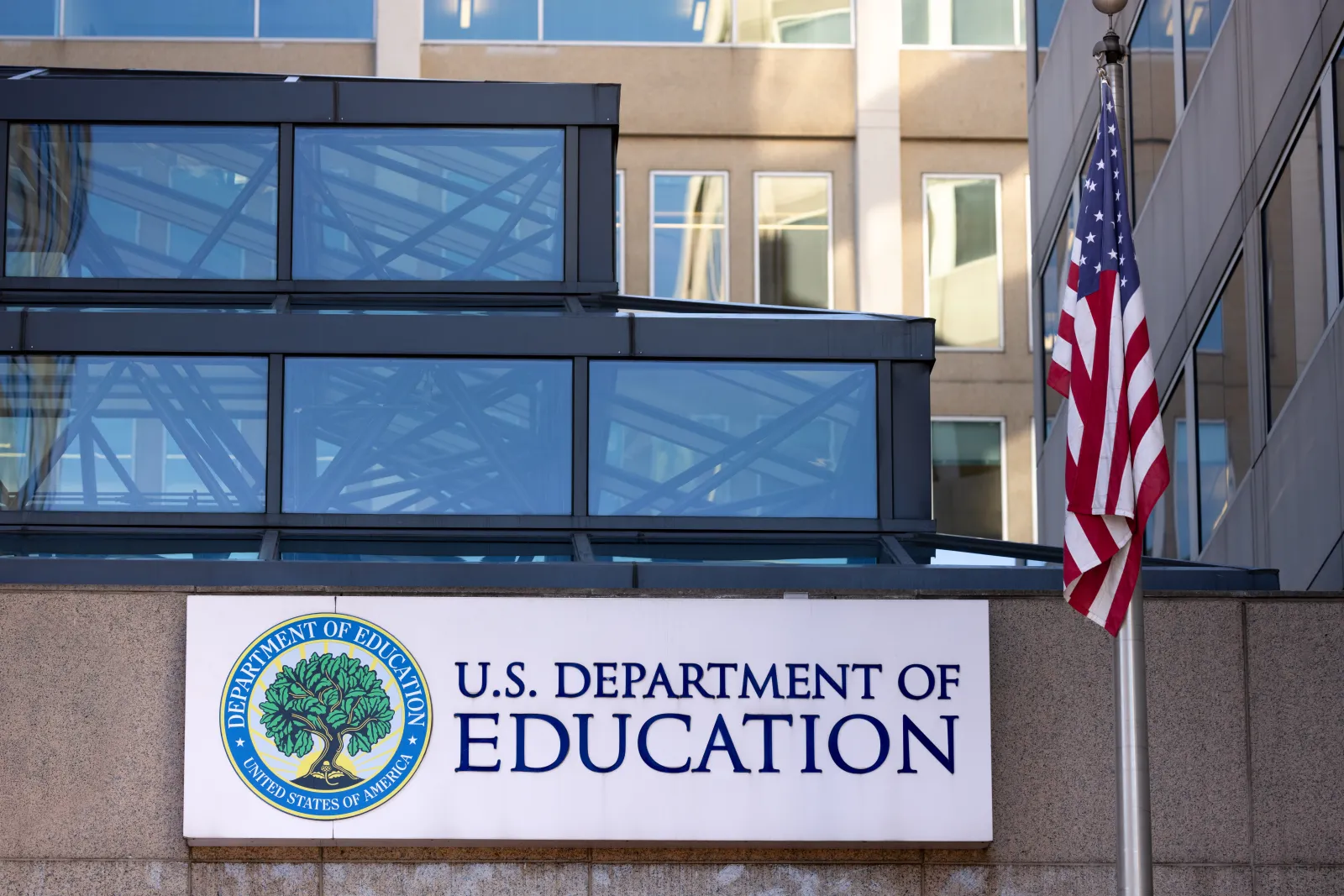
Student loan borrowers should face new repayment changes in just four weeks, as the Education Department finalizes guidance for a new loan repayment plan—under by the One Big, Beautiful Bill Act (OBBBA), which was signed into law by President Donald Trump in July 2025.
Why It Matters
Changes to the loan repayment plan were meant to be immediate once the OBBBA was signed into law, but the Department of Education had not yet implemented them. About 42.5 million American borrowers, as of August 2025, have federal student debt, according to the Education Data Initiative.
Read More on News
What To Know
...
The Department of Education said that, beginning in late December 2025, Income-Based Repayment (IBR) will become the most widely available income-driven plan for federal student loan borrowers—especially for high earners who were previously excluded due to high income limits.
A key barrier—the "partial financial hardship" requirement—that previously locked out higher-income borrowers from accessing IBR will be removed, according to a Forbes report.
Other existing plans, including Saving on a Valuable Education (SAVE), Pay As You Earn (PAYE), and Income-Contingent Repayment (ICR), will be phased out and fully obsolete by July 2028.
On July 1, 2026, the Department of Education will introduce a new income-driven repayment option—the Repayment Assistance Plan (RAP)—which will operate alongside IBR. But, RAP’s loan forgiveness timeline is 30 years, which is longer than the current plans, which usually forgive after 20–25 years.
Starting January 1, 2026, student loan forgiveness under income-driven plans (IDR) will again count as taxable income.
Other key changes to student loan forgiveness and repayments, due to take effect after January 2026, include:
- Starting July 1, 2026, undergraduate and graduate students will face new federal student loan borrowing limits, which may make financing degrees harder.
- Parent PLUS loan borrowers must consolidate into the Direct Loan program by July 1, 2026, to retain access to income-driven repayment and forgiveness. Consolidation can take between 30 to 90+ days, so borrowers are encouraged to act early.
What People Are Saying
The Department of Education said in a guidance webpage updated in November: "We are working to update both our systems and our loan servicers’ systems to implement these changes. We anticipate that the system changes will be completed in December 2025. In the meantime, servicers will hold IBR applications that would otherwise be denied. Servicers will process those applications after the system changes are completed. We encourage borrowers who applied for the IBR Plan and were denied due to lack of partial financial hardship before we instructed servicers to hold these applications to reapply.
Kevin Thompson, the CEO of 9i Capital Group and the host of the 9innings podcast, previously told Newsweek: "Phasing out the PAYE and ICR plans in favor of the new RAP plan lets borrowers keep their forgiveness schedules while lowering monthly payments for some."
Alex Beene, a financial literacy instructor for the University of Tennessee at Martin, also previously told Newsweek: “If you can afford to pay more, it's smarter in the long term to pay that debt off as quickly as possible."
Betsy Mayotte, president of The Institute of Student Loan Advisors, told CNBC News: “The good news is that all of these plans cross-pollinate, so whatever ‘count’ they have on ICR or PAYE will also count towards whatever plan they switch to.”
What Happens Next
Barring new legal or legislative action, by the end of December 2025, the IBR expansion should be in effect, allowing more borrowers to access income-based repayment. The phaseout of PAYE, ICR, and the already-ended SAVE plan means the federal income-driven repayment landscape will condense to IBR and RAP by July 2028.
View 0 Comments
Submit Correction
View Editorial & AI Guidelines