...
By Marni Rose McFall
Reporter
0
Share
Newsweek is a Trust Project member
See more of our trusted coverage when you search.Prefer Newsweek on Googleto see more of our trusted coverage when you search.
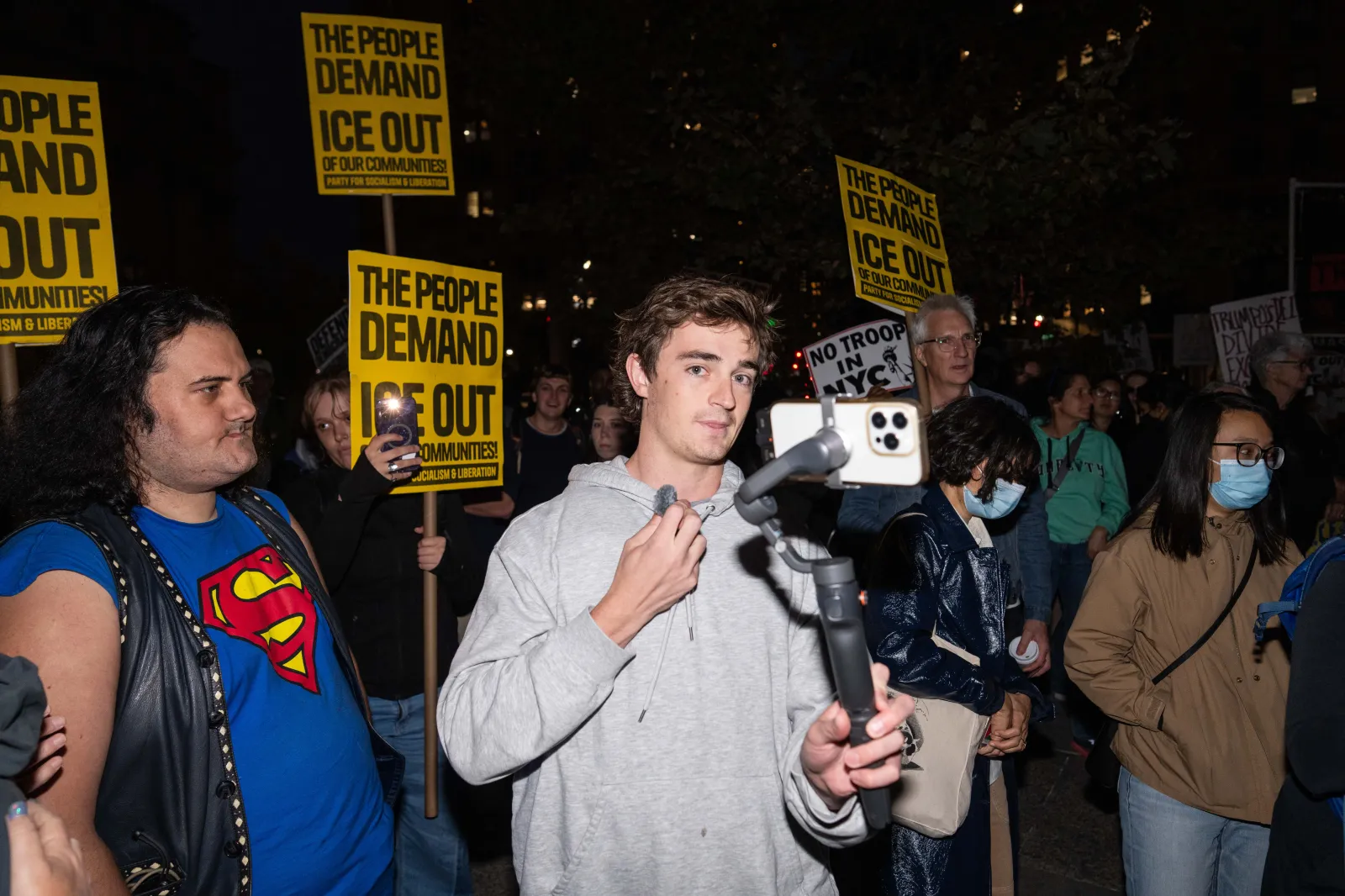
YouTuber and conservative influencer Nick Shirley published a video this week in which he questioned California Assembly Bill 2624, a proposal dubbed the “Stop Nick Shirley Act” by Republican State Assemblymember Carl DeMaio.
The bill, authored by Assemblymember Mia Bonta, a Democrat, would seek to protect individuals who work in immigrant services by adding them to the state’s safe at home program, already in place for some health care workers. Shirley and his supporters see the bill as something entirely different. The bill has been labeled online as an attempt to criminalize investigative journalism, to stop investigations into fraud, and to specifically prohibit Shirley.
In response to a request for comment, a Bonta representative directed Newsweek to a press release issued in response to “misinformation.”
Read More on Politics
Bonta says in the press release that “People working in immigrant services are being followed home, receiving death threats, and having their personal information weaponized against them,” and that the AB 2624 bill would provide “protection through the same tried and tested process California already offers to domestic violence survivors and select healthcare workers.”
“The concerns raised about this bill are based on a malicious and intentional misrepresentation of this bill,” Bonta said.
Why It Matters
Shirley, 24, gained widespread attention after publishing a viral video in 2025 alleging fraud at Somali-run childcare centers in Minnesota. In the video, the self-described "independent YouTube journalist" showed facilities that appeared empty and claimed they were improperly receiving government funds, prompting political reactions and official scrutiny of childcare programs. However, subsequent reviews by state officials and reports found his specific claims to be unsubstantiated or unsupported by evidence. The controversy still led to lawsuits, broader investigations into childcare funding, and Shirley testifying before Congress, while also bringing him both increased prominence and significant criticism over his reporting methods.
Since then, he has said he is investigating fraud in California and recently shared a 40-minute video alleging fraud in the state.
What To Know
In a new video shared online, Shirley questioned lawmakers about the bill. Cosponsors of the bill include California Democrats Isaac Bryan, Maria Durazo, Sade Elhawary, Lena Gonzalez, Sasha Renee Perez, Susan Rubio and Chris Ward. He called the bill an “attack on free speech" in “direct violation of the 1st amendment.”
In a post on X, he wrote, “This bill will CRIMINALIZE exposing fraud, violates the 1st Amendment, protects NGOs from disclosing taxpayer dollars, and these politicians see no problem with it. The fraud is now exposed, and they need new laws to hide it. EXPOSE ALL THE FRAUD.”
Perez, when questioned by Shirley, said that he had misinterpreted the bill. Other lawmakers refused to engage when questioned; some said they were unfamiliar with its contents or needed to review it further.
...
What Is AB 2624?
AB 2624 would create a new California address‑confidentiality program for people who work in or receive services from immigration support organizations and have been targeted with threats, harassment, or violence.
Lawmakers cite rising incidents of doxing, online abuse, courthouse intimidation, and even death threats against immigration advocates as the reason for extending protections similar to those already offered to reproductive‑health and gender-affirming care providers.
Under the bill, eligible employees, volunteers, and certain clients could apply to the Secretary of State for a state‑issued substitute address to use in public records, voter registration, and some property transactions. Applicants would need to show documentation of their connection to an immigration support facility and evidence of recent threats. The Secretary of State would forward their first‑class mail to keep their real address private.
The bill also broadens California’s anti‑doxing laws to cover immigration support workers, making it illegal to post, sell, or distribute their personal information or images online with the intent to incite violence or cause fear. Violators could face civil penalties, attorney’s fees, and damages of at least $4,000, with some offenses carrying potential criminal consequences.
The bill does not make reference to investigative journalists, independent journalists or Shirley.
However, it was quickly linked to him by critics of the bill. A press release from DeMaio’s office read in part that the bill “comes as independent journalists like Nick Shirley have used viral videos to expose fraud and abuse in government-funded programs using on-the-ground footage and firsthand documentation.”
Elon Musk, meanwhile, wrote in a post on X, “California legislators are trying to make investigating fraud illegal.”
A press release from Bonta’s office, addressing the claim that the bill is the “Stop Nick Shirley Act,” reads in part that “This characterization has no basis in the bill’s text, legislative history, or author’s intent. AB 2624 is targeted at doxxing individuals’ home addresses and personal information with intent to incite violence — conduct with no overlap with investigative work.”
The release also directly addresses claims that the bill would criminalize investigative journalism and penalize independent journalists. It states, “The bill’s civil and criminal penalties require demonstrated intent to incite imminent great bodily harm or place a program participant in objectively reasonable fear for their safety. Investigative journalism such as visiting locations, filming in public, publishing reports does not meet that standard and is not touched by this bill.”
What Happens Next
The bill states that applications under the program would begin as of April 1, 2027.
View 0 Comments
Submit Correction
View Editorial & AI Guidelines