10
Loading video...

By Ellie Cook
Senior Defense Reporter
0
Share
Newsweek is a Trust Project member
See more of our trusted coverage when you search.Prefer Newsweek on Googleto see more of our trusted coverage when you search.
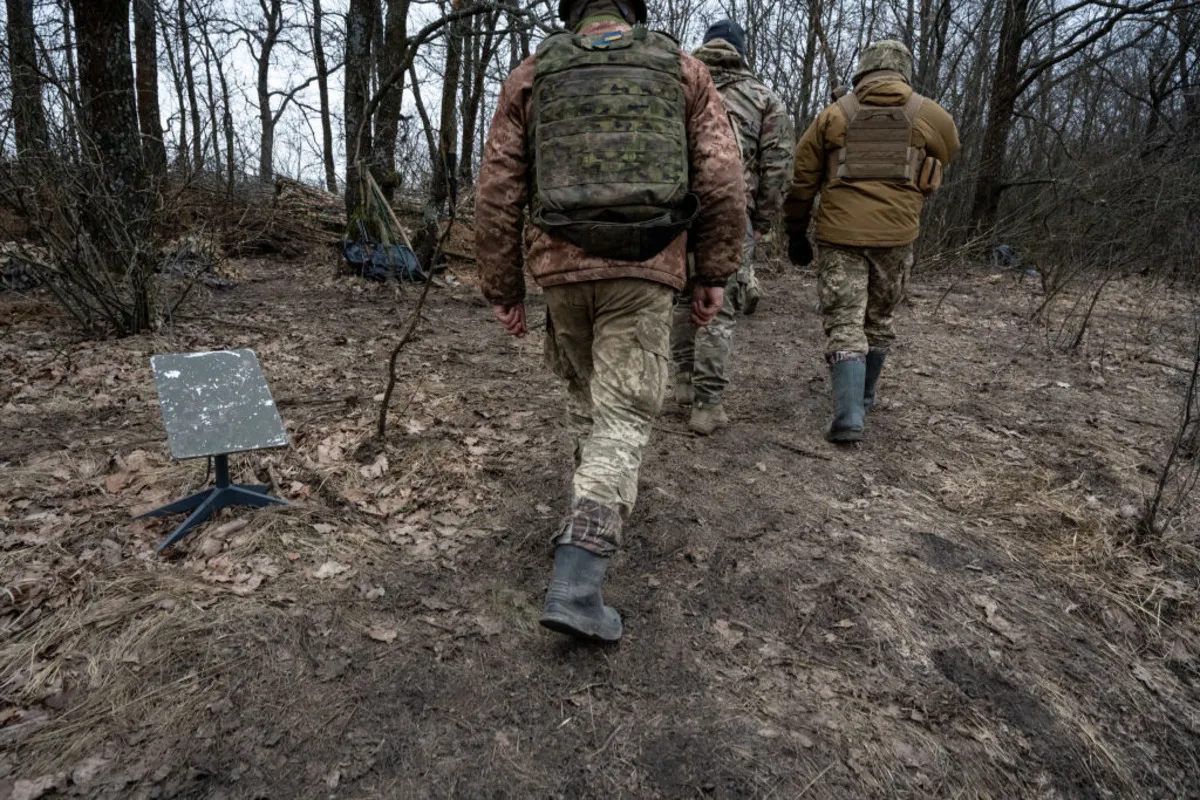
As confusion reigned over who was responsible for abruptly imposing limits on Ukraine's use of the Starshield satellite system, one thing did become obvious: Kyiv remains painfully at the mercy of U.S. whims.
Without the military-grade sister service of Elon Musk's Starlink, Ukrainian drone pilots found last week that their unmanned aerial vehicles (UAVs) couldn't fly fast enough to effectively hit Russian targets before Moscow shoots them down.
Alongside this, Kyiv said it hadn't received the usual intelligence data on incoming, and often devastating, Russian ballistic missile strikes leveled at its major cities.
Read More on World
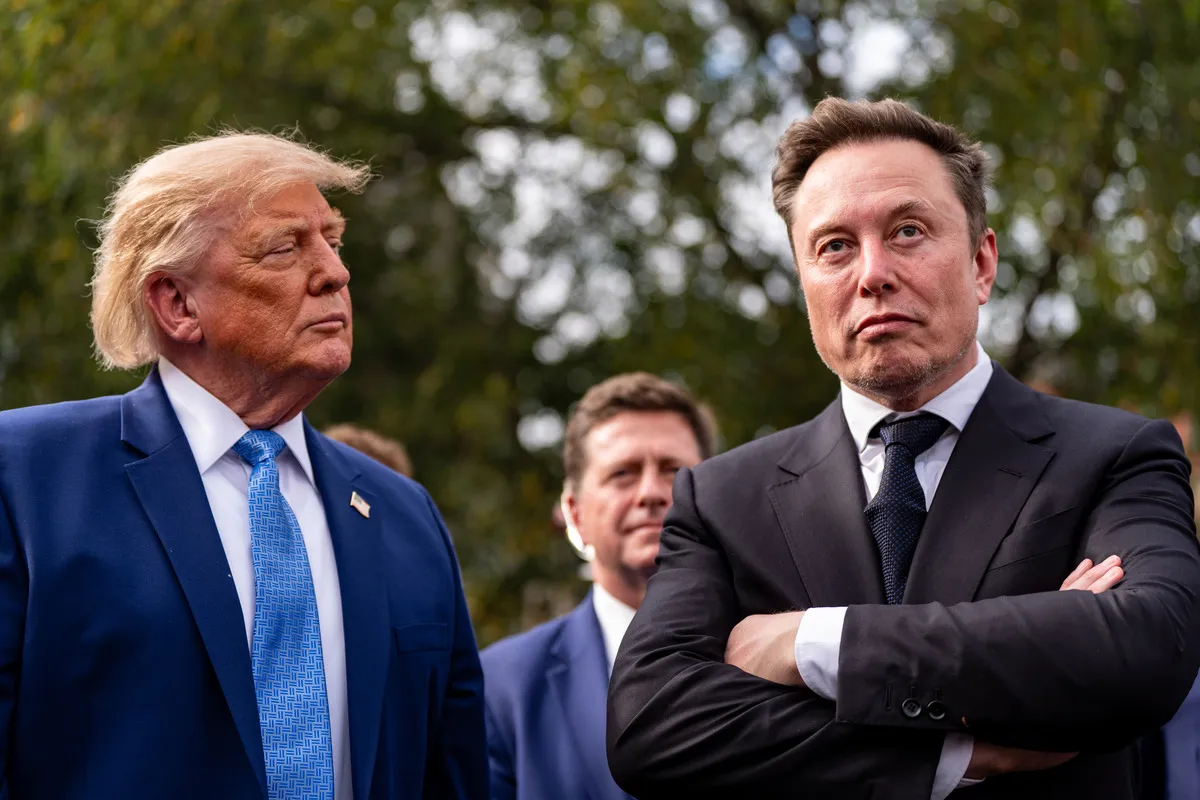
Although Ukraine's President, Volodymyr Zelensky, said on Sunday intelligence flows had resumed, the two near-simultaneous drops in vital U.S. services in Ukraine became an uncomfortable demonstration of how much Ukraine still leans on its foreign backers—especially an unpredictable U.S. under President Donald Trump—to effectively fight Russian troops.
The pause came as already strained relations between Washington and Kyiv were pulled even further, as Trump painted Ukraine's strikes on Russian oil refineries, rather than the U.S. war in Iran, as responsible for sky-high fuel prices in the run-up to the midterm elections.
When Starshield is fully operational, Kyiv's aerial and sea drones can take out Russian logistics, munitions depots and command-and-control centers nearly 125 miles from the front line, even when battered by electronic jammers.
Although Kyiv didn't apportion blame directly over a lack of early warnings for missile onslaughts and Trump denied halting the flow of intelligence, U.S. systems are the main way for Ukraine getting advance warning of ballistic missile launches.
America previously blocked sending Kyiv U.S.-derived intelligence streams in early 2025.
...
In response, Ukrainian officials pleaded for the old levels of access to be restored, and Ukraine's former drone czar said a fully functional Starshield connection was "critical" for Kyiv.
The events show "the continuing dependence of Ukraine on Starlink, the U.S. technology sector, and the U.S. administration very clearly," said Anthony King, the director of the Strategy and Security Institute at the University of Exeter in the U.K.
"It was a very good reminder" of the dynamic between Washington and Kyiv, Bohdan Sas, the co-founder of Ukrainian defense technology firm Buntar Aerospace, told Newsweek. "Militaries around the world definitely have to take note."
On Monday, Secretary of State Marco Rubio said the White House had not ordered the slowdown. But anonymous U.S. officials told Reuters last week the Pentagon received a message from inside the White House, saying Starshield speed had to be restricted for the Ukrainian military.
Musk, meanwhile, had batted attention toward the Trump administration, saying Starshield systems are "owned and controlled" by the U.S. government, meaning "any limits on speed or usage" are dictated by the U.S. military, and, ultimately, the U.S. president.
Dimko Zhluktenko, a junior sergeant with Ukraine's 413th Unmanned Systems Regiment, told Newsweek on Thursday that Starshield-enabled drones are now able to fly at around 100 miles per hour, around double the speed they could reach on Wednesday.
Previously there were no speed restrictions, he said. Zelensky, in a fresh update on Monday, said Starshield speeds were still capped at some points along the front line and would be discussed with Ukrainian allies at "every level."
Does Ukraine Have Any Other Options?
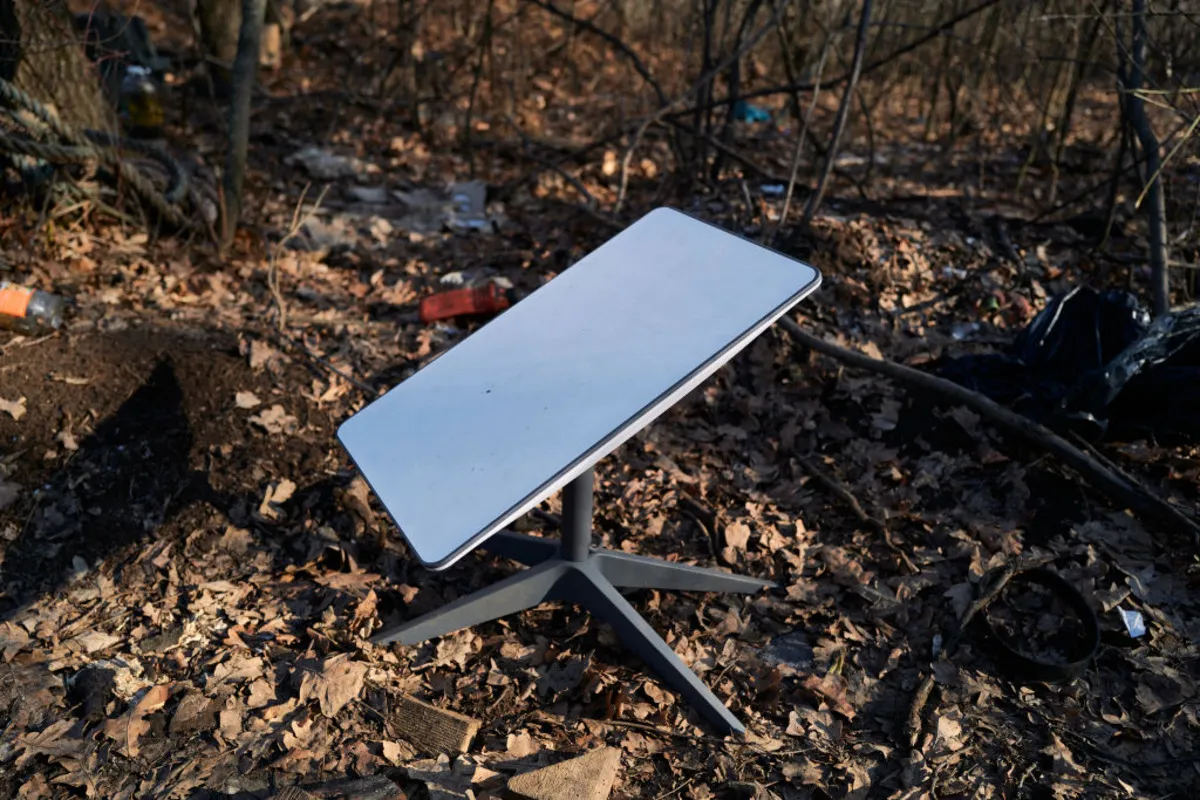
There's no real alternative to Starshield or Starlink for Ukraine, for now. Ukrainian forces mostly use the general Starlink network for communications and data transfers, rather than guiding strikes on the battlefield.
...
It's already integrated into Ukraine's military systems, and Starlink is by far the biggest constellation in orbit. Europe is slowly working on its own designs as the continent also tries to move away from decades of dependence on the U.S. military.
"In the short term, Europe cannot replace this capability," the European Union's top diplomat, Kaja Kallas, said as she warned that European nations must "fill these gaps as soon as possible."
This comes as the U.S. is exerting real pressure on Ukraine and loosening its chokehold on Russia, including by reaching a deal with the Kremlin on Russian diesel and waiving a raft of sanctions on Moscow expected to take effect this week.
"The current administration seems to be willing to leverage a critical technological dependence to pursue its policy, even if it is disadvantageous to Ukraine," King told Newsweek.
Trump's decision to pause intelligence-sharing in March 2025 coincided with the president's efforts to push peace talks between Russia and Ukraine.
Fresh Energy Strikes
Earlier this month, Trump declared an "energy ceasefire" between Kyiv and Moscow, and while neither Russia nor Ukraine confirmed they had agreed to the deal, there were no reported Ukrainian strikes on Russian oil refineries between October 10 and October 14.
Russia, however, said it had launched devastating strikes on Ukrainian power plants throughout last week, which Ukrainian authorities said cut electricity access for 600,000 people in Kyiv. Russia targeted Ukrainian energy infrastructure at least 76 times in the week after Trump announced his energy truce, Zelensky said.
Russia's Defense Ministry then said on Thursday that Ukraine had "attempted a massive attack" on an oil refinery in the Ryazan region, southeast of Moscow. Regional governor Pavel Malkov said on Telegram that a fire had broken out at the facility.
Trump has accused Zelensky of driving up global oil prices and not working toward a peace deal, which the Ukrainian leader rejects.
Contact Newsweek editors on this story: Daniel Orton and Oliver Pritchard.
View 0 Comments
Submit Correction
View Editorial & AI Guidelines