- U.S.
- World
- Science
- Health
- Life
- Rankings
- Opinion
- Entertainment
- Fact Check
- My Turn
- Education
- EventsSportsPodcastsBetter PlanetBetter WorkplacesMightierAutosNewslettersUnconventionalVantageExpertsLeadershipDev Pragad
- Subscribe

- Login
×
Subscribe Login
- U.S.
- World
- Science
- Health
- Life
- Rankings
- Opinion
- Entertainment
- Fact Check
- My Turn
- Education
- Events
- Sports
- Podcasts
- Better Planet
- Better Workplaces
- Mightier
- Autos
- Newsletters
- Unconventional
- Vantage
- Experts
- Leadership
- Dev Pragad
Kintsugi: The Art of Breathing New Life into Broken Pottery
By Kubodera Junko
 Newsweek Is A Trust Project Member
created for
Produced for an organization or individual that has paid for and approved the content.
Share
Copy Link
✓ Link copied to clipboard!
Listen
Translate
- English (Original)
- Español
- 中国人
- Français
- Deutsch
- Portuguese
- हिन्दी
Newsweek AI is in beta. Translations may contain inaccuracies—please refer to the original content.
Read original
Speed: 0.5xSpeed: 1xSpeed: 1.5xSpeed: 2x
🎙️ Voice is AI-generated. Inconsistencies may occur.
✖
The Japanese art of kintsugi revitalizes chipped tableware.
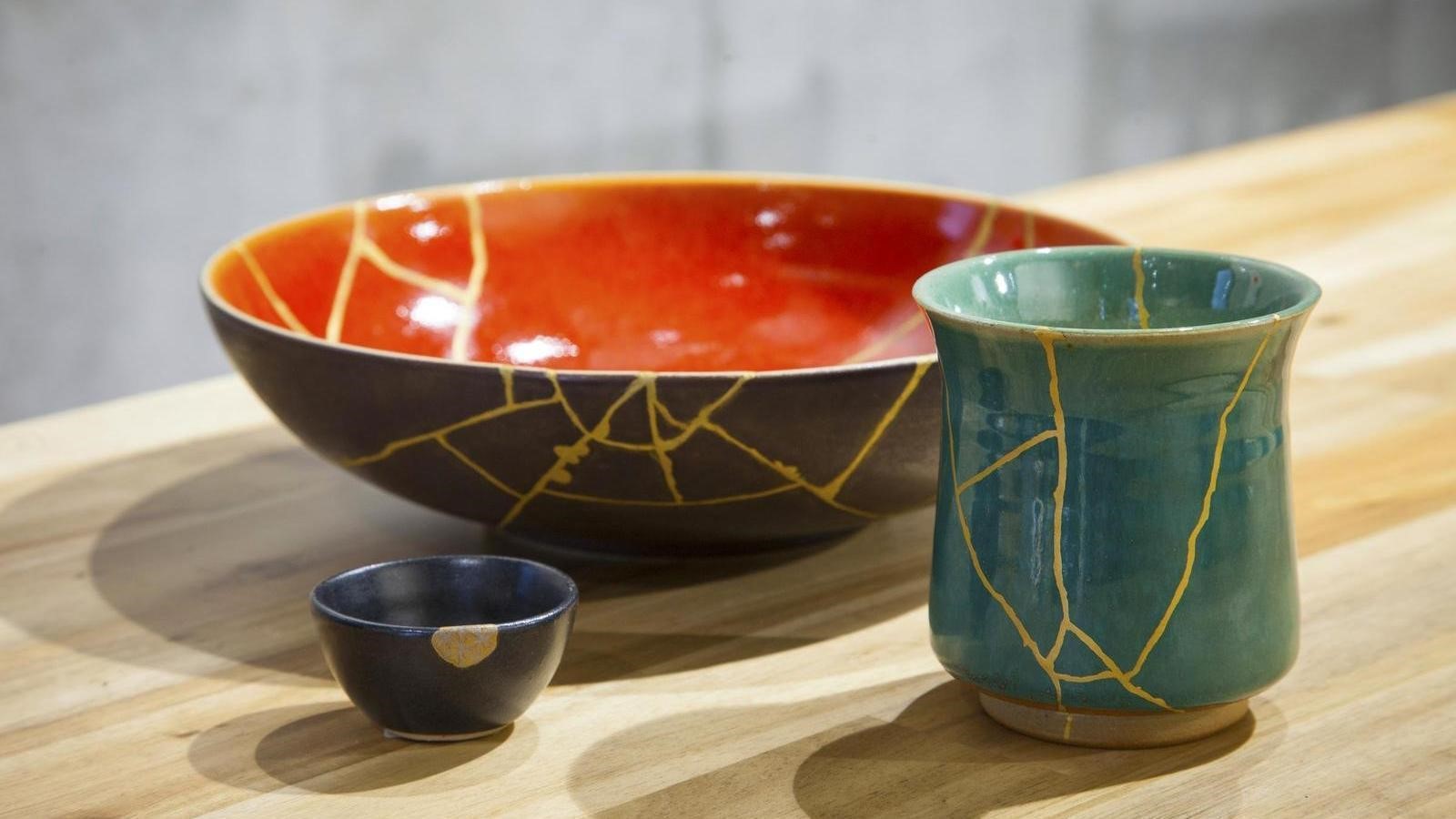
Chips and cracks are repaired using lacquer and other materials, and then filled in with gold powder to create a new sense of beauty. Chips and cracks are repaired using lacquer and other materials, and then filled in with gold powder to create a new sense of beauty. Fujimoto Kenichi
A Shared Notion of Turning Imperfection Into Strength
Kintsugi is a traditional technique used to repair broken ceramics with lacquer and other materials. It was born of the tea ceremony culture that began in Japan's Muromachi period (1336-1573). By deliberately incorporating the cracks, chips, fissures and flaws found on pottery within their repair, the ceramics are reborn as works of art and go on to live another life.
Tsugu Tsugu Inc., founded by Matano Yuki, offers a suite of services to connect people who have broken pottery with kintsugi masters and amateurs looking to try their hand at the repair. We spoke with Matano about this cultural practice and her platform, which consists of two sites—Kintsugi and Tsugu Tsugu.
Matano was working at a pharmaceutical company when she happened to break one of her cherished ceramics and stumbled upon the art of kintsugi. "Even though I'm Japanese, I had no idea that kintsugi existed," said Matano. "I really sympathized with the notion of turning imperfection into strength, and I wanted to share the art with as many people as possible." Kintsugi, Matano said, changed the way she lives her life.
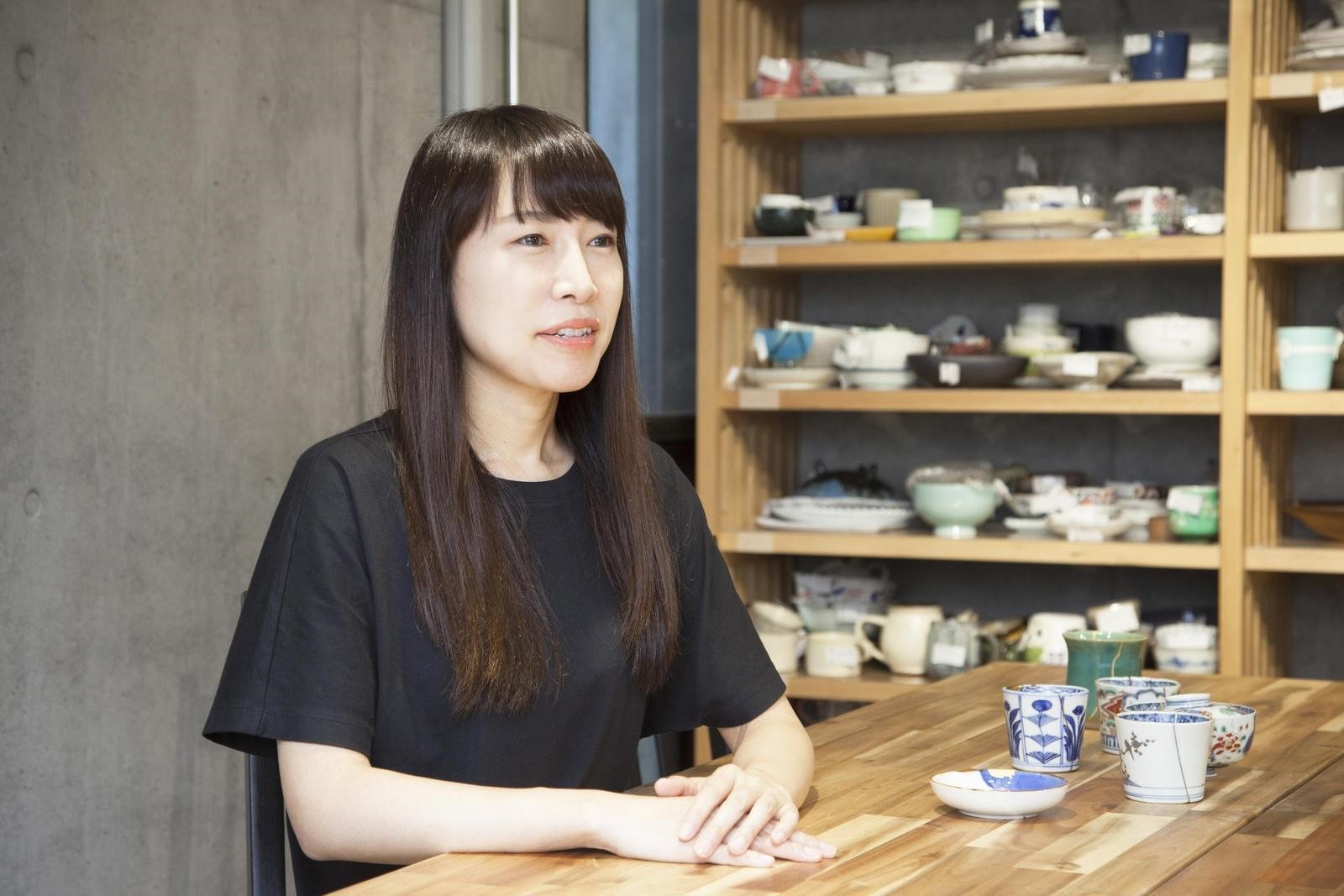
Matano Yuki, the founder of Tsugu Tsugu, said kintsugi, which transforms the broken parts of ceramics into a source of charm, changed the way she lives her life. Matano Yuki, the founder of Tsugu Tsugu, said kintsugi, which transforms the broken parts of ceramics into a source of charm, changed the way she lives her life. Fujimoto Kenichi
Providing a Place for Connecting Crafters and Clients
In 2021, Matano opened a studio in Tokyo's Ebisu district to teach kintsugi classes and workshops. She had read an online survey that noted that, of the 200 respondents, 30 percent said they owned chipped pieces of pottery that were too important to them to throw away.
The amount of people aware of kintsugi was also up compared with a previous survey Matano herself had read two years earlier. "Over these past two years," she said, "the uniquely Japanese mottainai [the spirit of regret over waste], the restrictions placed on going out in the wake of the COVID-19 pandemic, and people's increased appreciation for the importance of conscientious living have all coalesced. I think that may be what has drawn so many people to kintsugi, which values objects with love and care."
Tsugu Tsugu offers kintsugi services for repairing broken ceramics as well as workshops teaching kintsugi techniques. The company also sells kintsugi kits alongside pieces it has repaired. Meanwhile, its online site Tsugu Tsugu continues to introduce crafters from across Japan to people desiring a kintsugi repair.
"Kintsugi involves very time-consuming work," said Matano. "Even a simple repair can take anywhere from two months to more than six. I can't fulfill all of our orders by myself. That's why we provide a place that brings crafters and clients together from all over the country."
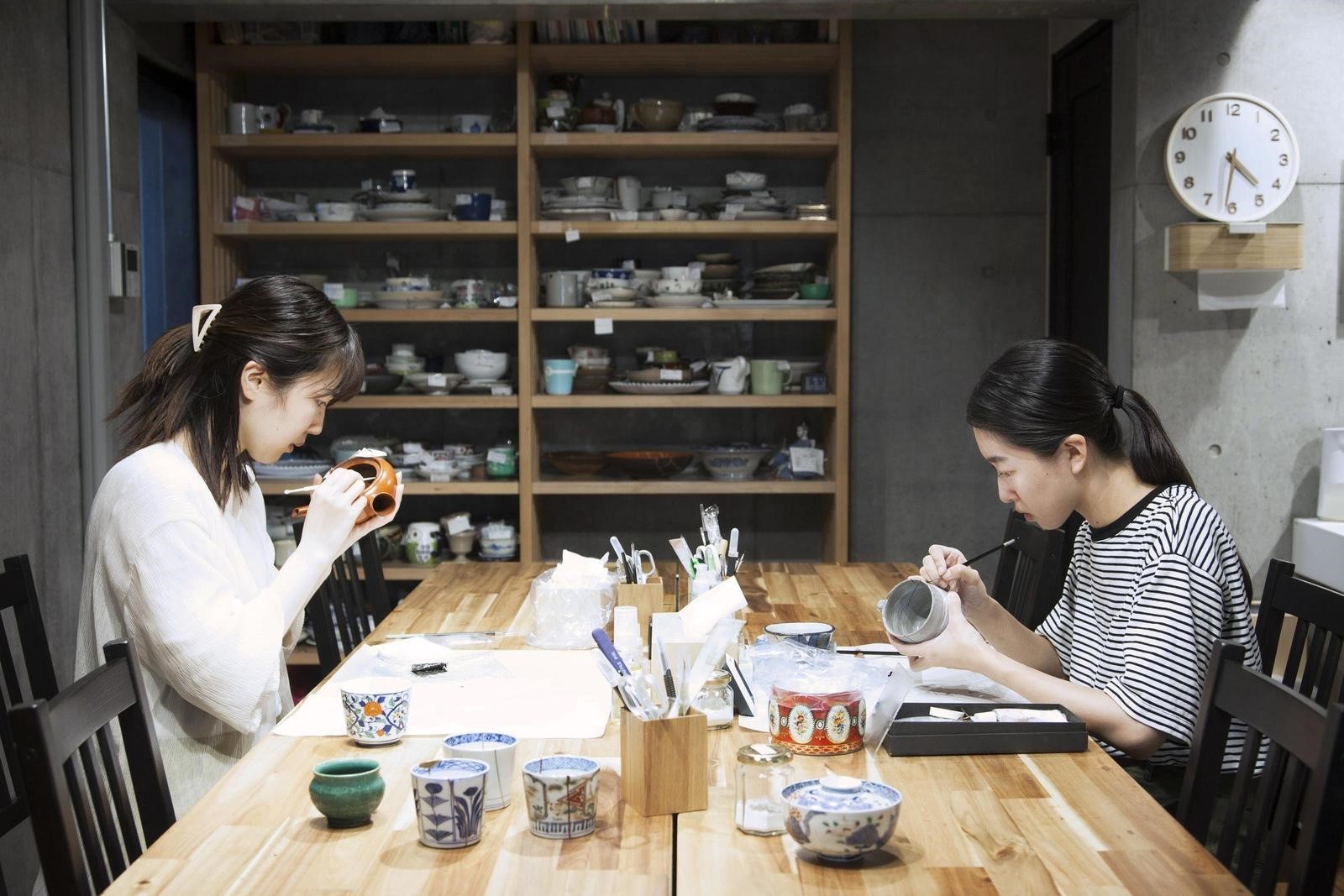
At Tsugu Tsugu, a wide assortment of tableware is brought in for kintsugi, including Western and glass pieces. At Tsugu Tsugu, a wide assortment of tableware is brought in for kintsugi, including Western and glass pieces. Fujimoto Kenichi
Matano found that some people struggled to follow the process. The Tsugu Tsugu website now includes an easy to understand explanation of the kintsugi repair, from receiving the initial quote to determining the final cost. Explained Mantano, "We've created a system that lets clients send in photos of their broken pieces to get an easy estimate. We also use social media to bring more visibility to the industry to help stimulate work for crafters." Through Tsugu Tsugu, clients not only can request repairs from crafters all over Japan but they can also chat with the artisans about the job ahead of time for peace of mind.
Kintsugi Kits for Easy at-Home Repairs
To help those wanting to try kintsugi for themselves, Tsugu Tsugu devised kits that enable people to do repairs on their own, at home. The kits are simple and easy to comprehend and have been well received.
"There's no set method for doing kintsugi repairs—every crafter has their own way," Matano explained. "Even if you look online, you'll find tons of different approaches being introduced. It's not uncommon for people to get confused when they try it on their own."
Continued Matano, "That's why we came up with a method that's easy for anyone to understand. We kept the materials simple—four types of special powder used in kintsugi that we carefully selected, raw [unprocessed] lacquer for adhesion and reinforcement, and gold powder to finish." The Tsugu Tsugu beginners kit includes lacquer; wood and polishing powders; black, Bengal red, gold and silver powders; a brush; a small spatula; a palette; and a dropper.
The art has also caught attention abroad over the past few years. Most of Kintsugi's kits are now sold overseas. The appeal of these kits is that they use more natural materials instead of synthetic adhesives for glue. "We've started selling lacquer overseas through our e-commerce site," said Matano. "We want people to use the real deal so that they can properly appreciate the traditional Japanese technique."
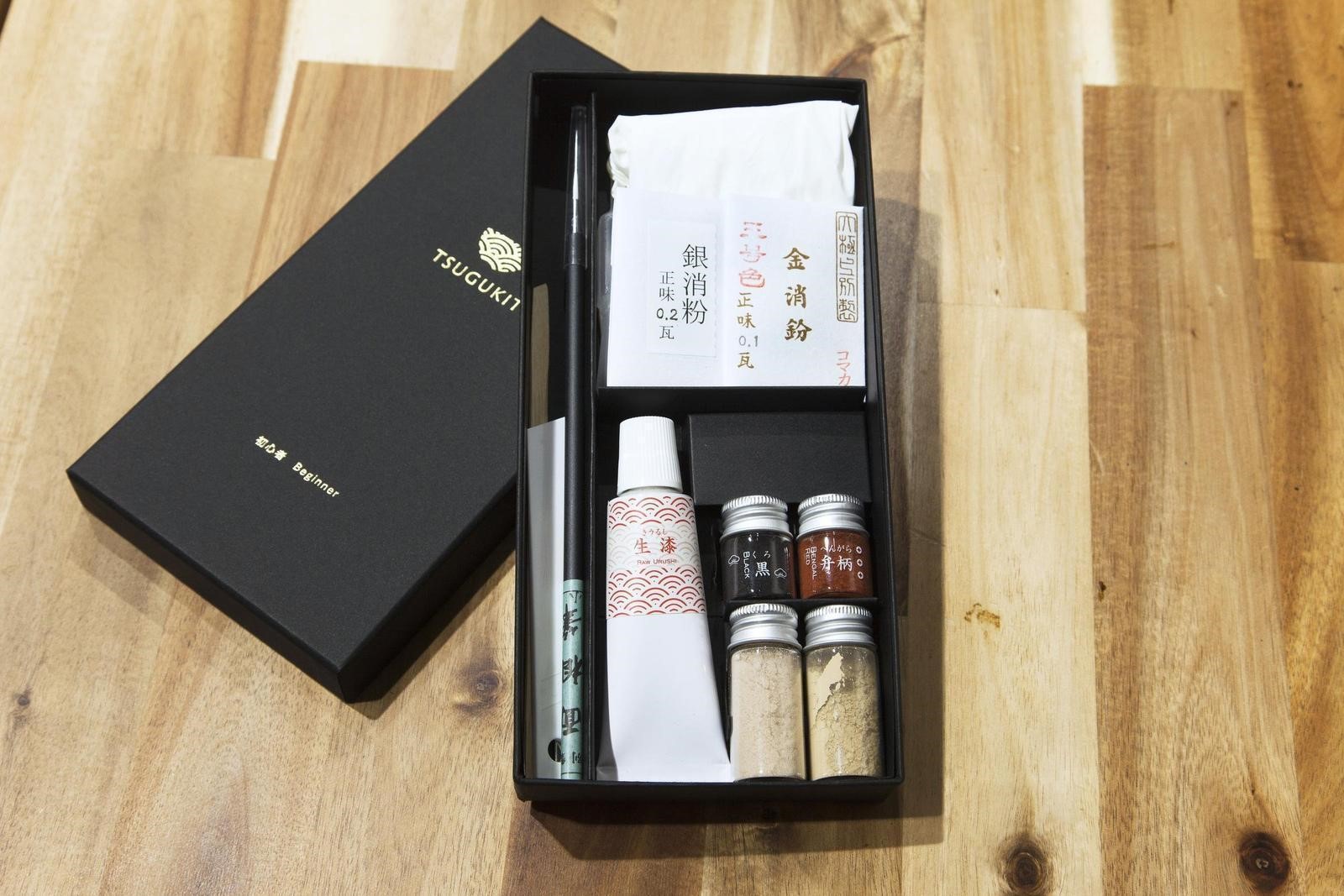
The Tsugu Tsugu kintsugi kit makes it easy even for beginners to enjoy. The Tsugu Tsugu kintsugi kit makes it easy even for beginners to enjoy. Fujimoto Kenichi
Cherishing Possessions in the Age of Mass Consumption
Right now, there are hundreds of ceramic pieces that, through Tsugu Tsugu, are under repair throughout Japan. The number of students enrolled in Kintsugi's classes and workshops has also grown to approximately 300, prompting the company to open a second branch in Tokyo's Asakusa neighborhood in May 2022.
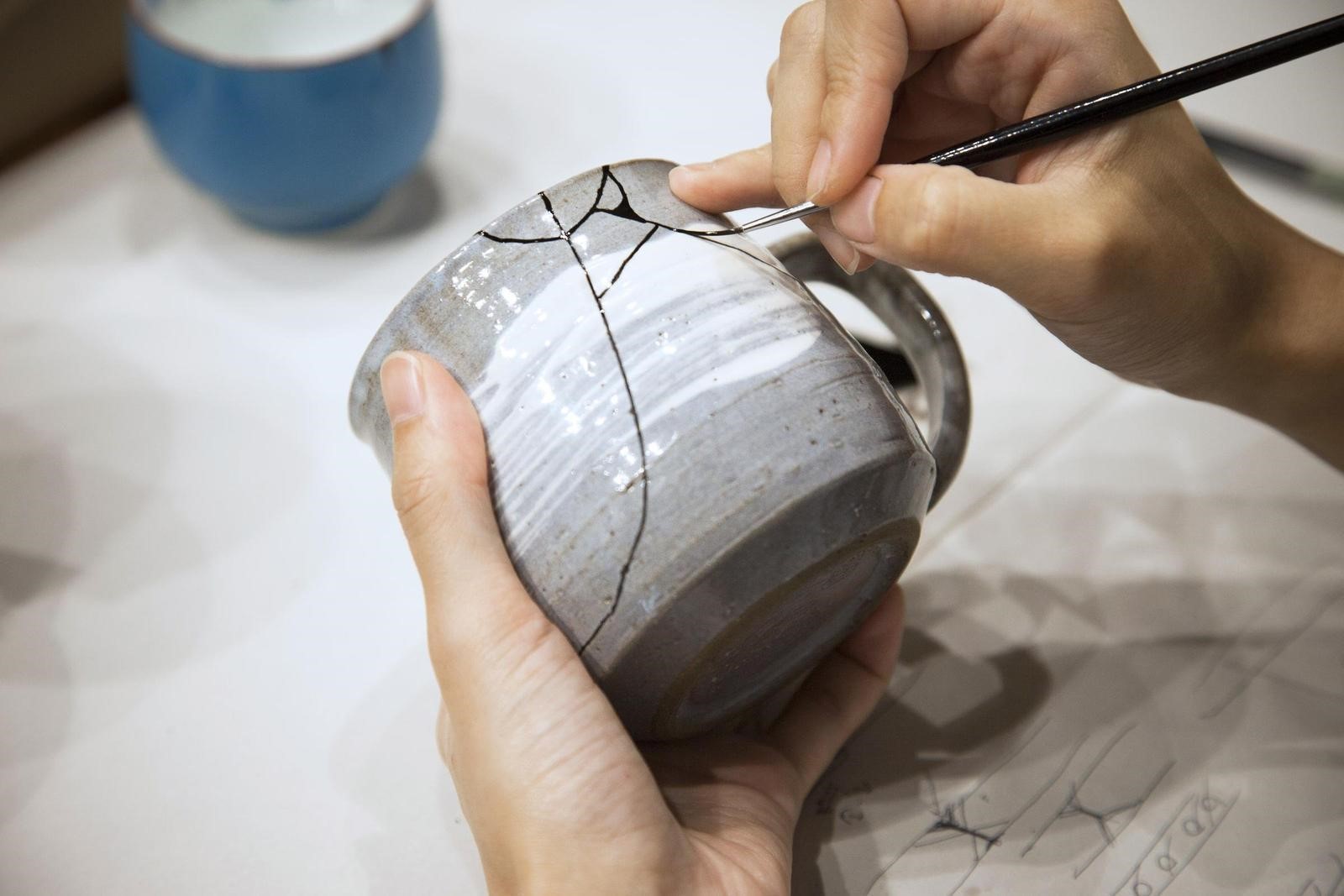
Lacquer is applied to a cup along its cracks with a superfine brush. The task requires intense concentration but is also calming. Lacquer is applied to a cup along its cracks with a superfine brush. The task requires intense concentration but is also calming. Fujimoto Kenichi
The company also began a collaboration with Muji Shinjuku in September 2021, enabling clients to drop off their pottery at the store for repair. "Even if a part you've mended gets ruined, you can just fix it again," explained Matano. "Kintsugi offers that kind of generous flexibility. In this age of mass production and mass consumption, I hope that more and more people will learn about Japanese culture and the ways we value our possessions."


U.S.WorldScienceHealthRankingsOpinionEntertainmentFact CheckMy TurnEducationEventsSportsPodcastsBetter PlanetBetter WorkplacesMightierAutosNewslettersUnconventionalVantageExpertsLeadershipDev Pragad
Trending
Israel at War Vladimir Putin Russia-Ukraine War Donald Trump
Subscriptions
Membership Monthly $4.99 Membership Yearly $49.00 Membership+Print Monthly $9.99 Membership+Print Yearly $99
Newsletters in your inbox See all
The Bulletin (Daily)See Sample
The Gist of It (Daily)
Geoscape (Twice a Week)
The 1600 (Daily)
Inside Trump Policy (Weekly)
Newsweek AI (Weekly)
Sports Daily (Daily)
The Josh Hammer Report (Weekly)See Sample
For The Culture (Three Times a Week)See Sample
Discoveries (3 Times a Week)
Like & Subscribe (Daily)
Breaking News (As it Breaks)
The Debate (Twice a Week)
Pawsitively (Daily)
Better Planet (Weekly)
The Good Life (Weekly)
Newsweek Pulse (2x3 Times a Month)
Sign up now
You can unsubscribe at any time. By signing up you are agreeing to our Terms of Service and Privacy Policy
In The Magazine  September 19
2025 Issue
Company
About UsMastheadDiversityAnnouncementsArchivePolicies and StandardsMission StatementLeadershipNewslettersPress Center
Editions:
Contact
AdvertiseCareersContact UsCorrections
Terms of Use
Cookie PolicyCopyrightPrivacy PolicyTerms & ConditionsTerms of Sale Privacy Settings
© 2026 NEWSWEEK DIGITAL LLC