
By Aatif Sulleyman
Freelance Reporter
0
Share
Newsweek is a Trust Project member
See more of our trusted coverage when you search.Prefer Newsweek on Googleto see more of our trusted coverage when you search.
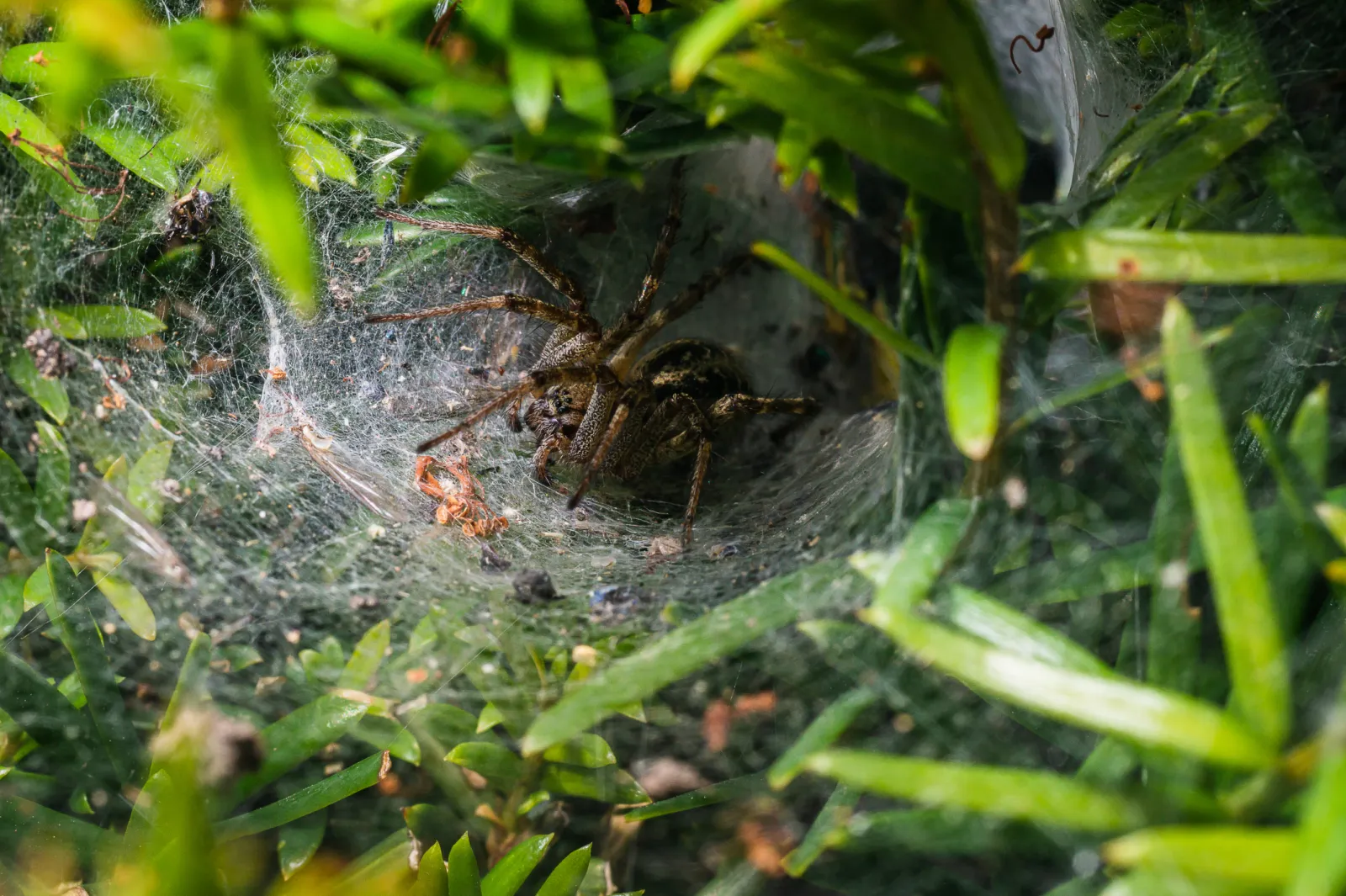
Blankets of spider webs are being spotted across the state of Iowa, with people posting photos of trees and lawns draped thickly in strands of silk.
It has been dubbed "Spiderpocalypse" but strange—or horrifying, depending on your attitude to spiders—as it may look, it is a not uncommon phenomenon triggered by unseasonably warm weather.
Many spiders either die or are dormant in winter and prepare for the colder months by mating and laying their eggs in late summer and early fall, for them to hatch in spring.
Read More
Untangling Webs of Fear: Therapy Tarantula Treats People with Arachnophobia6 min read

Giant Animatronic Spider Crawling Over New York House is the Scariest Halloween Decoration Ever3 min read

Massive Tarantula Surprises Unwitting Texas Couple3 min read

However, the weather in Iowa has been erratic of late, with snow and freezing temperatures in October, followed by a sharp rise this month. Temperatures in the first week of November consistently exceeded 70 degrees Fahrenheit, but have since fallen again.
These fluctuations have caused millions of spider eggs to hatch months earlier than they were supposed to.
Each spider egg sac can contain hundreds of eggs. When the baby spiders hatch, they crawl out of these nests and spin silk threads, which are designed to catch the wind and transport them elsewhere, a phenomenon known as "ballooning."
However, the winds in Iowa haven't been strong enough to carry the spiderlings away, leaving them stranded, with millions of ballooning threads now visible on grass and trees across the state.
"These spiders are not dangerous and this outdoor spider phenomenon will not affect your health or wellbeing," Iowa State University entomology professor Donald Lewis told the Des Moines Register.
"Enjoy the show before the cold."
Lewis also wrote about the phenomenon in 2009, reporting: "The good news is that the spider webbing is not a problem, the phenomenon is short-lived and the situation passes with no need for treatment or attention other than to marvel at the site while you have the chance."
Adam Thoms, an assistant professor in the department of horticulture, wrote in an Iowa State University blog post that "nearly all" of the spiderlings would "die of desiccation or starvation as there is not enough food for that many spiders to survive this time of year."
He added: "Due to the time of year, and relatively dry weather conditions [turfgrass strands] are not being mowed or disturbed, so the baby spiders are making all of those spider webs you see and not having anything disturb them."
...
View 0 Comments
Submit Correction
View Editorial & AI Guidelines