...

By Theo Burman
Live News Reporter
0
Share
Newsweek is a Trust Project member
See more of our trusted coverage when you search.Prefer Newsweek on Googleto see more of our trusted coverage when you search.
A SpaceX spacecraft has caused a sonic boom over California as it returned to Earth's atmosphere, and some on social media initially mistook the sound for an earthquake.
One even thought a bomb had gone off.
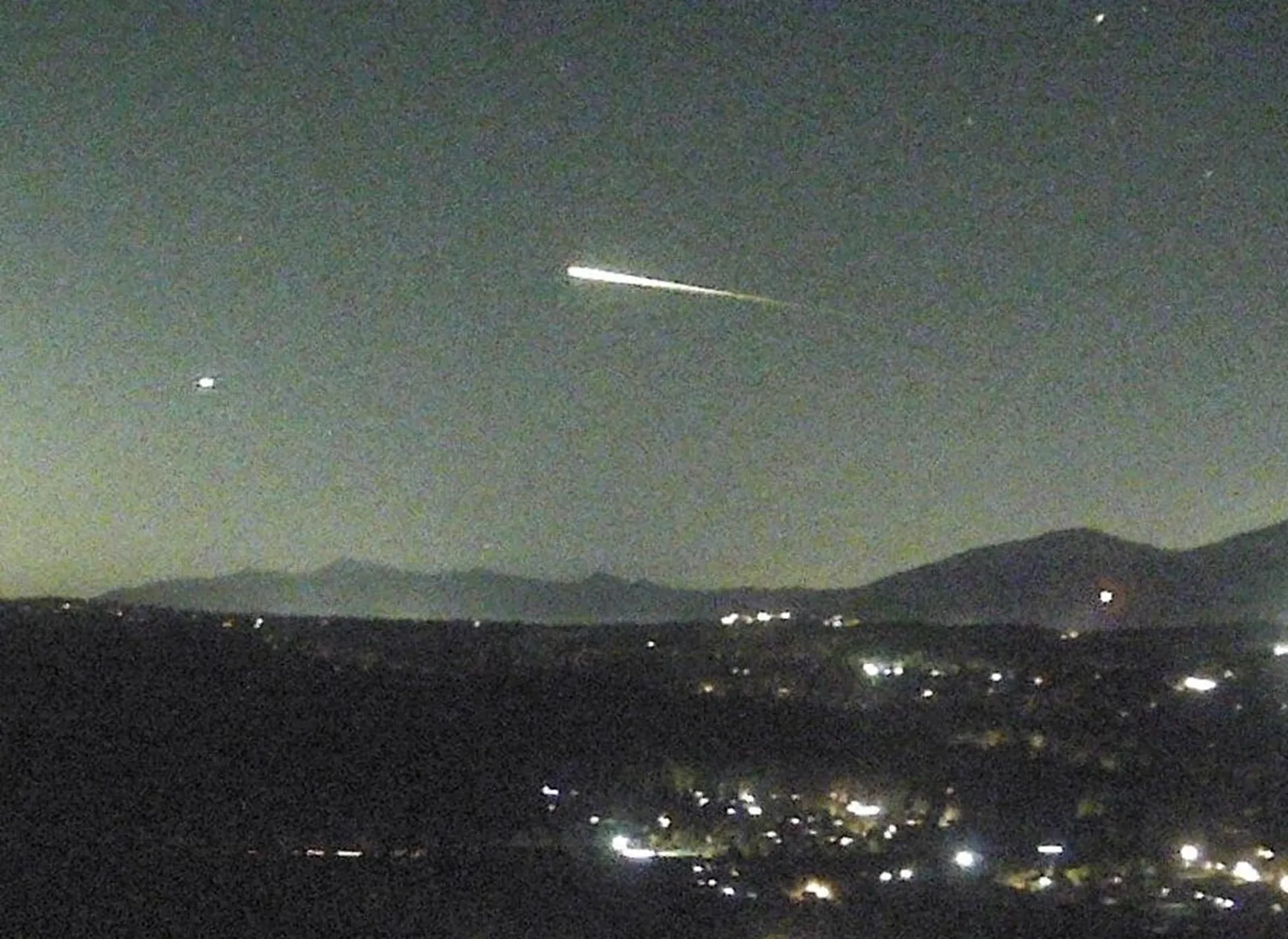
The boom was heard across parts of the state, including Los Angeles, late Saturday. Video showed a red-yellow streak across the night sky, accompanied with a loud crack.
Read More on News
The Context
The SpaceX Dragon was returning from a supply run to the International Space Station when it broke the sound barrier and left a streak in the sky. SpaceX had earlier warned the spacecraft would "announce its arrival with a brief sonic boom prior to splashing down" in the Pacific off San Diego about 10:44 p.m. local time (1:42 a.m. ET).
What To Know
One Los Angeles user on X, formerly Twitter said: "At first, I thought it was the start of an earthquake. There was a previous double boom phenomenon not too long ago. WTF is going on? I don't like this!"
Another said: "Was there just an earthquake in Los Angeles? But no shaking. It felt like a sonic boom. I thought something had hit my house! #earthquake."
Other observers also said the sonic boom did not feel like a typical earthquake for the area. And another social media user said: "Literally felt like Los Angeles just got bombed. Not an earthquake feeling at all. Even my boyfriend, a native Californian, was like wtf was that?"
...
SpaceX craft are used regularly to resupply the ISS, and the SpaceX Dragon is one of the only ones that can carry both cargo and passengers into orbit and return safely.
The Dragon was returning from its 32nd flight to the ISS, after being docked there for 31 days.
The sonic boom is caused by the rocket dropping below supersonic speeds, rather than breaking the sound barrier via acceleration.
In a report on the impact that the booms have on Earth, SpaceX said: "Sonic booms in spaceflight have typically only been experienced by observers on Earth when encountering vehicles designed to be reused, such as SpaceX's Falcon family of rockets.
"When the first stage booster of a Falcon rocket returns for landing, its size and speed generate multiple sonic booms heard on the ground as a double clap of thunder.
"Similar sonic booms were heard during the return and landing of the NASA's space shuttle. In each case, the sonic boom marks the end of just one in a series of missions for the vehicle returning from flight."
What People Are Saying
SpaceX's website reads: "Dragon is the only spacecraft currently flying that is capable of returning significant amounts of cargo to Earth, and is the first private spacecraft to take humans to the space station."
What Happens Next
The next SpaceX Dragon flight will launch on May 29, from Florida. This will be the third manned mission undertaken by the model this year.
Update 26/05/25, 04:58 a.m. ET: This article has been updated with a new video from X, formerly Twitter.
View 0 Comments
Submit Correction
View Editorial & AI Guidelines