10
Loading video...

By Dan Gooding
Associate News Editor
0
Share
Newsweek is a Trust Project member
See more of our trusted coverage when you search.Prefer Newsweek on Googleto see more of our trusted coverage when you search.
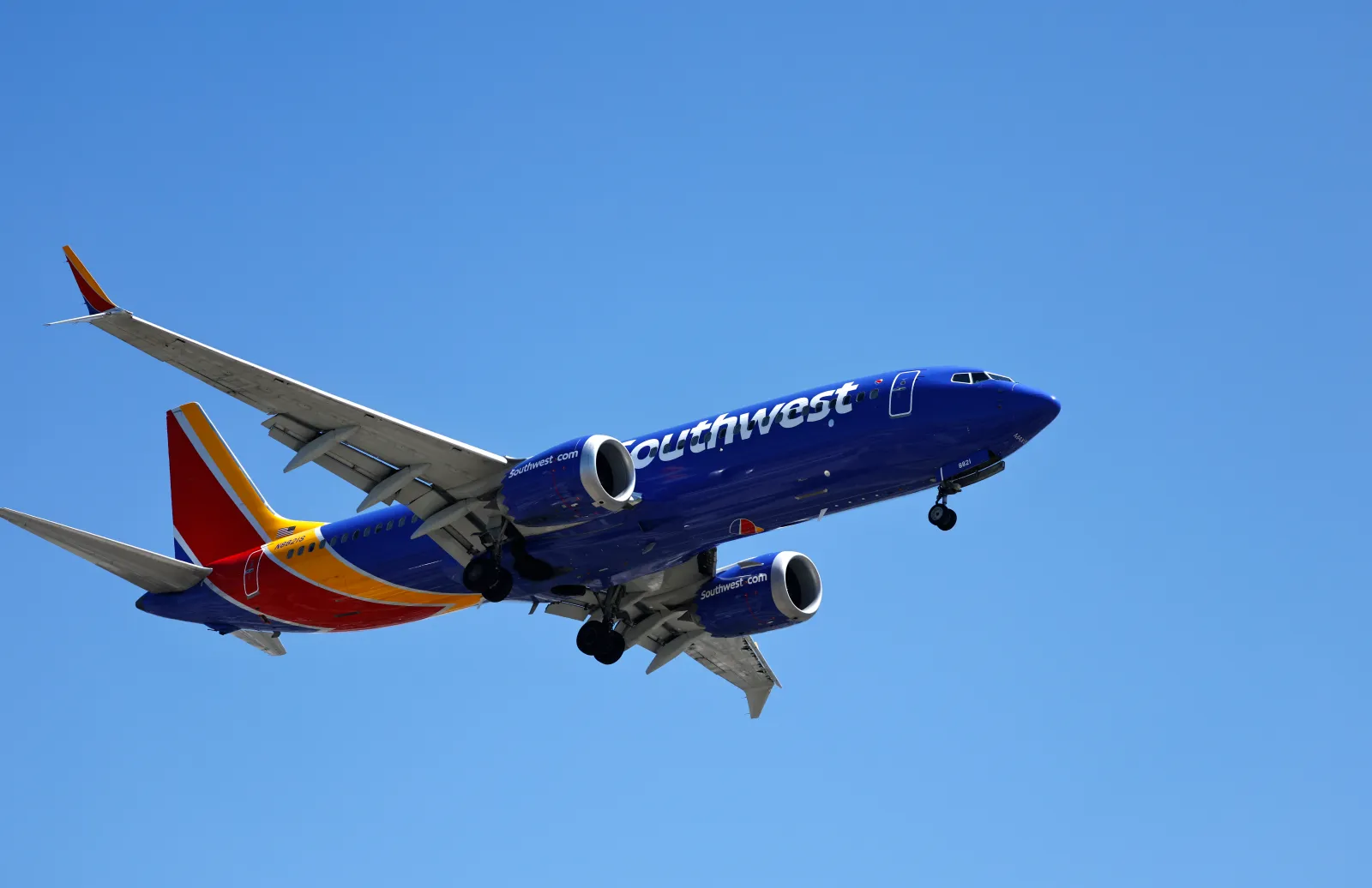
Southwest Airlines has unveiled a new package of benefits aimed at corporate travelers as the carrier continues a sweeping overhaul of its business model, introducing priority travel perks and new booking options designed to make the airline more competitive with larger rivals such as United Airlines, Delta Air Lines, and American Airlines.
The Dallas-based airline announced Monday that it will launch a new "Business Priority" product in early 2027 while also expanding how corporate customers access Southwest fares and services through business-travel booking systems. The changes are part of a broader effort by the airline to attract managed corporate travel accounts and higher-spending customers at a time when airlines are increasingly competing for business travelers.
"Southwest is focused on elevating the travel experience to meet the expectations of today's and tomorrow's business customers," Aileen Furlong, the airline's vice president of sales, said in a press release announcing the changes.
Read More on U.S.
The announcement comes amid a period of rapid change for Southwest. Over the past two years, the airline has introduced assigned seating, extra-legroom seats, Starlink Wi-Fi and other upgrades that mark a significant shift from the low-frills strategy that helped define the carrier for decades.
Newsweek reached out to Southwest Airlines for further comment via email.
...
List of New Changes Coming in 2027
The centerpiece of Southwest's latest announcement is the creation of its new Business Priority program. According to the airline, qualifying corporate travelers will gain access to:
- Preferred reaccommodation when flights are disrupted.
- Standby benefits that provide greater flexibility on travel days.
- Boarding privileges designed to speed the airport experience.
- Additional day-of-travel assistance.
The airline is also introducing new distribution technology known as New Distribution Capability, or NDC, which is designed to make Southwest's fares and ancillary products available through a wider range of corporate booking tools and travel-management systems.
Company officials say the initiatives are intended to make it easier for business travelers and corporate travel managers to book, modify and manage Southwest flights through the systems they already use.
"These improvements aren’t innovative, but they will help make Southwest more competitive with both larger competitors such as American and United, especially to larger enterprises," Henry Harteveldt, founder and president of Atmosphere Research Group, told Newsweek.
"It’s the latest example of Southwest working to narrow or eliminate product, distribution, and sales gaps it has had—in some cases for decades—compared to the three largest airlines. And, because large enterprises account for a disproportionate volume of business travel activity and spending, these improvements may help Southwest generate substantially more revenue."
Related Story
Southwest Announces Major Change To Carry-On Restrictions for Tech Items
Who Is Eligible?
Not every Southwest customer will receive the new benefits.
The airline said Business Priority will be offered through qualifying corporate travel agreements, meaning eligibility will generally be limited to companies that maintain approved business relationships with Southwest and choose to participate in the program.
Southwest has not yet released detailed qualification requirements or minimum spending thresholds. It has instead indicated that the product will be available to "qualified customers" through corporate travel contracts beginning in early 2027.
The focus on corporate contracts reflects the airline industry's continuing effort to win more business-travel spending. While leisure travel rebounded strongly following the COVID-19 pandemic, corporate travelers remain particularly valuable because they tend to fly more frequently and often purchase higher-priced tickets.
How Business Perks Compare to Other Airlines: United, American, Delta
Southwest's new Business Priority program shares several characteristics with products already offered by rival airlines.
"This is Southwest playing catch up with competitors, and they're still behind the leaders both in terms of product and business offerings. They don't have a first class yet, so no upgrade priority, no lounges yet," Gary Leff, aviation commentator and founder of View from the Wing, told Newsweek.
"Delta, United and American have recognized travelers from important corporate accounts this way for years, and Delta does the most here. Southwest preferred reaccommodation, standby and boarding is a start but they're still light on details of the new offering."
United Airlines provides priority boarding, preferred seating options, same-day flight flexibility and disruption assistance through a combination of corporate agreements and MileagePlus elite status benefits.
American Airlines similarly offers priority airport services, preferred seating and corporate-travel management programs designed for business customers.
Delta Air Lines, meanwhile, has focused heavily on premium travelers through its Medallion loyalty program and Delta Business offerings, which include priority services, travel support and access to premium cabin products.
Where Southwest differs is that the airline has historically relied less on premium services and more on simplicity. Its free checked-bag policy, open seating model and relatively straightforward fare structure helped cultivate a loyal customer base for decades.
The newly announced changes suggest Southwest is moving closer to the business-travel model embraced by the country's three largest airlines, while still attempting to preserve elements of the value-focused approach that made the carrier successful.
"The companion piece on distribution technology may ultimately matter more," Leff said. "Southwest used to sell a simple product. Now it has assigned seats, extra legroom seats, multiple fare bundles, check bag fees and exemptions and other ancillaries. Corporate travel departments need to see and service all of that through the booking systems they already use. NDC makes Southwest easier to work with for managed travel."

...
What Is Southwest Airlines' Companion Pass?
The Companion Pass is one of Southwest's most valuable loyalty benefits. It allows a Rapid Rewards member to designate one person to travel with them on Southwest flights for only the cost of taxes and government fees whenever the member purchases a ticket or redeems points. Unlike many airline companion-ticket programs, there is no limit on how many times the benefit can be used while the pass remains valid.
Under Southwest's standard rules, travelers can earn a Companion Pass by flying 100 qualifying one-way flights or earning 135,000 qualifying points during a calendar year. Those who earn the benefit receive it for the remainder of that year and the following calendar year.
Southwest also announced a separate promotional Companion Pass offer this week. Registered Rapid Rewards members who book qualifying travel during a brief August promotion and complete the required flights by November can earn a temporary Companion Pass valid from January 5 through March 3, 2027.
When Did Southwest End Open Seating?
Southwest's latest announcement is another milestone in the company's departure from one of its most famous traditions.
For more than 50 years, the airline operated without assigned seating, instead boarding passengers in groups and allowing travelers to choose available seats upon entering the aircraft. The system became closely associated with Southwest's brand and differentiated it from other major U.S. carriers.
That changed when the company announced plans to transition toward assigned seating after surveys found many customers preferred the option. Since then, Southwest has rolled out assigned seating, premium extra-legroom seats and a number of cabin upgrades aimed at making the airline more attractive to both business travelers and premium leisure passengers.
Industry observers have viewed the move as one of the most significant strategic changes in the carrier's history, with Southwest increasingly adopting features that have long been standard among its largest competitors.
"It is becoming a more conventional airline," Leff said. "It has removed universal benefits and is selectively restoring value to customers it considers more profitable, like corporate customers. This was a gap so they're rationally filling it."
Contact Newsweek editors on this story: Kate Nalepinski and Sam Wilson.
View 0 Comments
Submit Correction
View Editorial & AI Guidelines