10
Loading video...

Ash Jurberg
Share
Newsweek is a Trust Project member
See more of our trusted coverage when you search.Prefer Newsweek on Googleto see more of our trusted coverage when you search.
“Dad, who's Michael?"
The question broke through the usual after-school silence as my son Charlie looked up from his iPhone in the backseat, waiting for an answer. My knuckles whitened against the steering wheel. This was the moment I'd both dreaded and known would come.
"We were so bored in class today," Thomas said from beside his brother, "we started Googling everyone's parents. You're actually kind of famous online, Dad. Way more interesting than Brent's dad. He just has a boring accounting profile."
Read More on My Turn
My 12-Year-Old Daughter Woke Up As Usual—That Same Day Life Changed Forever6 min read

I Loved Tanning. 22 Years Later, I’m still Living With the Consequences9 min read

A Stranger Put $250 in My Kid’s Account. Twice4 min read

I didn't need to see their phones. Five years ago, I wrote about my sister’s journey, our family’s journey, processing her transition, and the way it changed all of us. It was the most challenging article I’ve ever written, but sharing that truth felt necessary. I just hadn’t expected my sons to stumble upon it during a dull afternoon at school.
In 1995, my sister became one of the youngest people in Australia to undergo gender-affirming surgery. She was 16; I was 20. I remember holding a pamphlet in the hospital waiting room, our entire medical guidance summed up in two flimsy pages. While other families had thick books about cancer treatment, heart surgery or bringing home newborns, we had a pamphlet and silence.

...
Back then, there was no roadmap for this. There were no support groups or shared stories. Even the medical staff seemed uncertain. The doctors told us to "treat this as if Michael had died."
How do you mourn someone who's still here? I couldn't even Google answers—the search engine hadn't been invented yet.
While still navigating high school, Amber dealt with far more than typical teenage drama. Other students were worried about exams and weekend plans, but she faced daily stares, whispers and constant abuse. After her surgery and transition, some classmates acted as if she'd vanished, while others openly showed their contempt. Her perfect attendance record crumbled with her grades. Even my college friends couldn't resist making crude jokes or asking immature questions about the surgery.
Watching Amber struggle through high school was heartbreaking. I didn’t know how to help, or if I even could. My parents took it hard and focused all their energies on her. I sometimes resented the attention she received, and it took years for me to see that she deserved all the support she could get and sadly lacked.
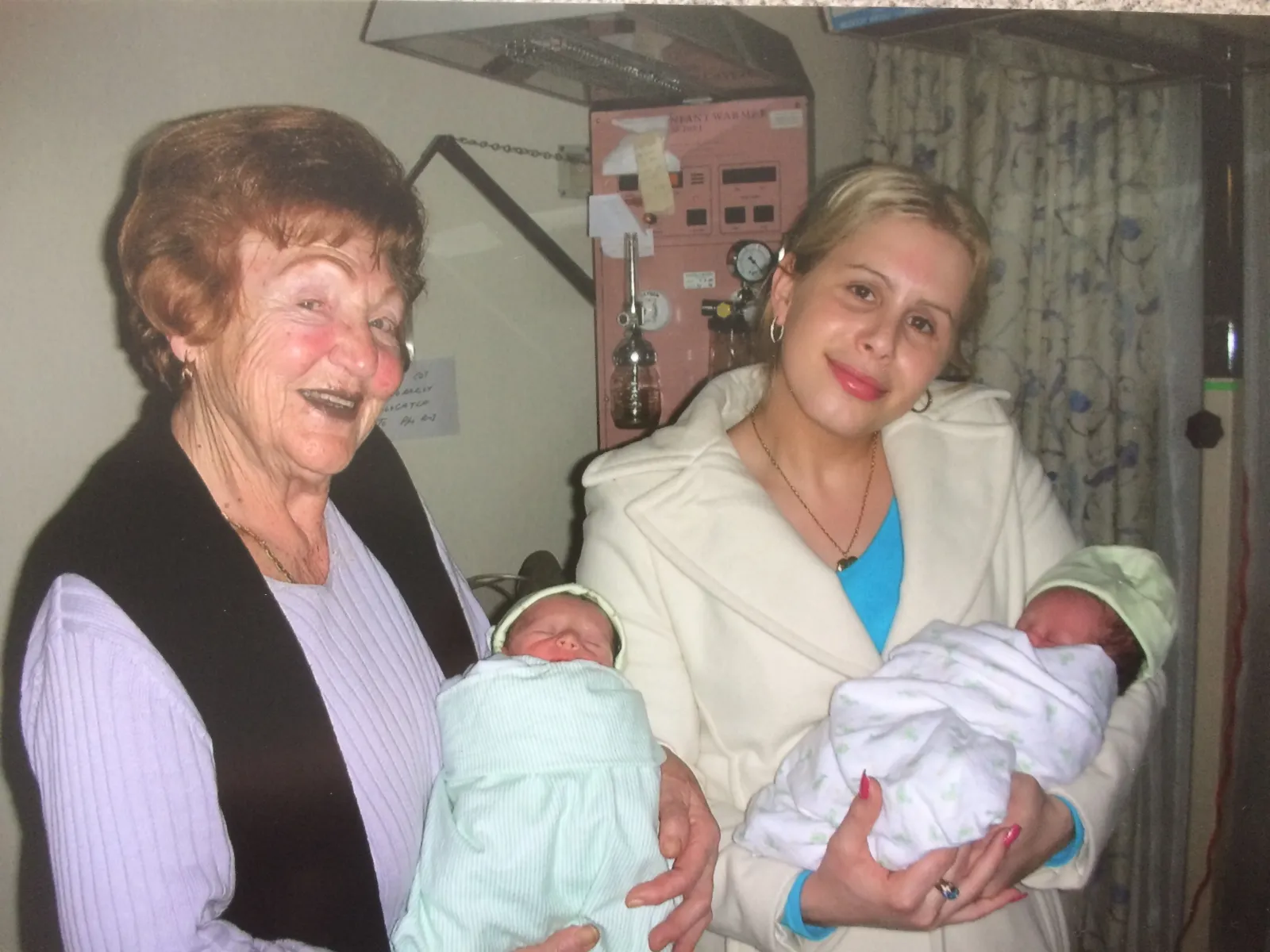
...
Family gatherings became tense affairs filled with awkward silences I couldn't bear. Wedding invitations arrived addressed only to some of us. Amber's name was conspicuously missing. My mother's response never varied: "If she can't go, neither will we," she'd declare, another invitation crumpled and thrown into the bin. My father, usually so social, retreated into himself, wounded by the rejection from friends he'd known for decades. We became used to being shunned from social occasions.
As relationships crumbled, my grandmother stood firm. A Holocaust survivor who had watched her family die for being different, she understood the devastating impact of prejudice. She was a proud woman who rarely held back and clarified her feelings about relatives who'd turned away, becoming Amber's biggest advocate.
"Family is family,” she would say in her thick Polish accent.
When others withdrew, my grandmother and Amber met weekly for lunch. What started as support became routine. Newly widowed, my grandmother also found a purpose in these meetings. These simple meals between an elderly Holocaust survivor and her transgender granddaughter became a weekly highlight for both. Although I was invited, I never joined them. It was their time. Our overseas relatives followed her example, connecting through regular emails and calls and supporting Amber, who treasured their infrequent visits back to Australia. These visits were the only occasions we felt like a family.

...
At our dad’s birthday in August, Amber kept taking photos. "Just one more!" she'd call, even though we'd already taken dozens. I got impatient with all the posing, but then I remembered those years when relatives would carefully crop her out of family photos.
Amber embraced her role as an aunt with an intensity my sons found overwhelming but loving. She was there at football games, cheering too loudly and taking too many photos. Amber was always present, sometimes overwhelmingly so. Unable to have her own children, she cherished every moment with my sons, turning past rejection into fierce, protective devotion.
“So, Aunty Amber had it rough back then?” Thomas asked, barely glancing up from his Instagram feed. His casual tone matched his shrug, as if discovering his aunt's journey was no more remarkable than learning the latest football results.
"Yeah," I said, bracing for their reaction. "Things were different then."
"Different, how?" Charlie pressed. "She's just Aunty Amber. Who cares if she takes too many photos?"

...
In the rearview mirror, I watched my sons return to their phones, this revelation already forgotten. Some relatives still exclude Amber, but my boys saw nothing remarkable in their aunt's story. To them, she was just Amber. Thirty years ago, I couldn't have imagined that.
"Dad?" Charlie cut in. "What's for dinner?"
Social media scrolls and dinner plans quickly replaced the article that once terrified me. What had once shattered our family barely warranted a pause in their scrolling. In their casual acceptance, my grandmother's words echoed. “Family is family.”
I’m glad my kids recognize that.
Ash Jurberg is a journalist covering travel, lifestyle and culture. He is the author of two books and is based in Melbourne, Australia.
All views expressed in this article are the author's own.
Do you have a personal essay you want to share with Newsweek? Send your story to MyTurn@newsweek.com.
Submit Correction
View Editorial & AI Guidelines