...

By Suzanne Blake
Reporter
0
Share
Newsweek is a Trust Project member
See more of our trusted coverage when you search.Prefer Newsweek on Googleto see more of our trusted coverage when you search.
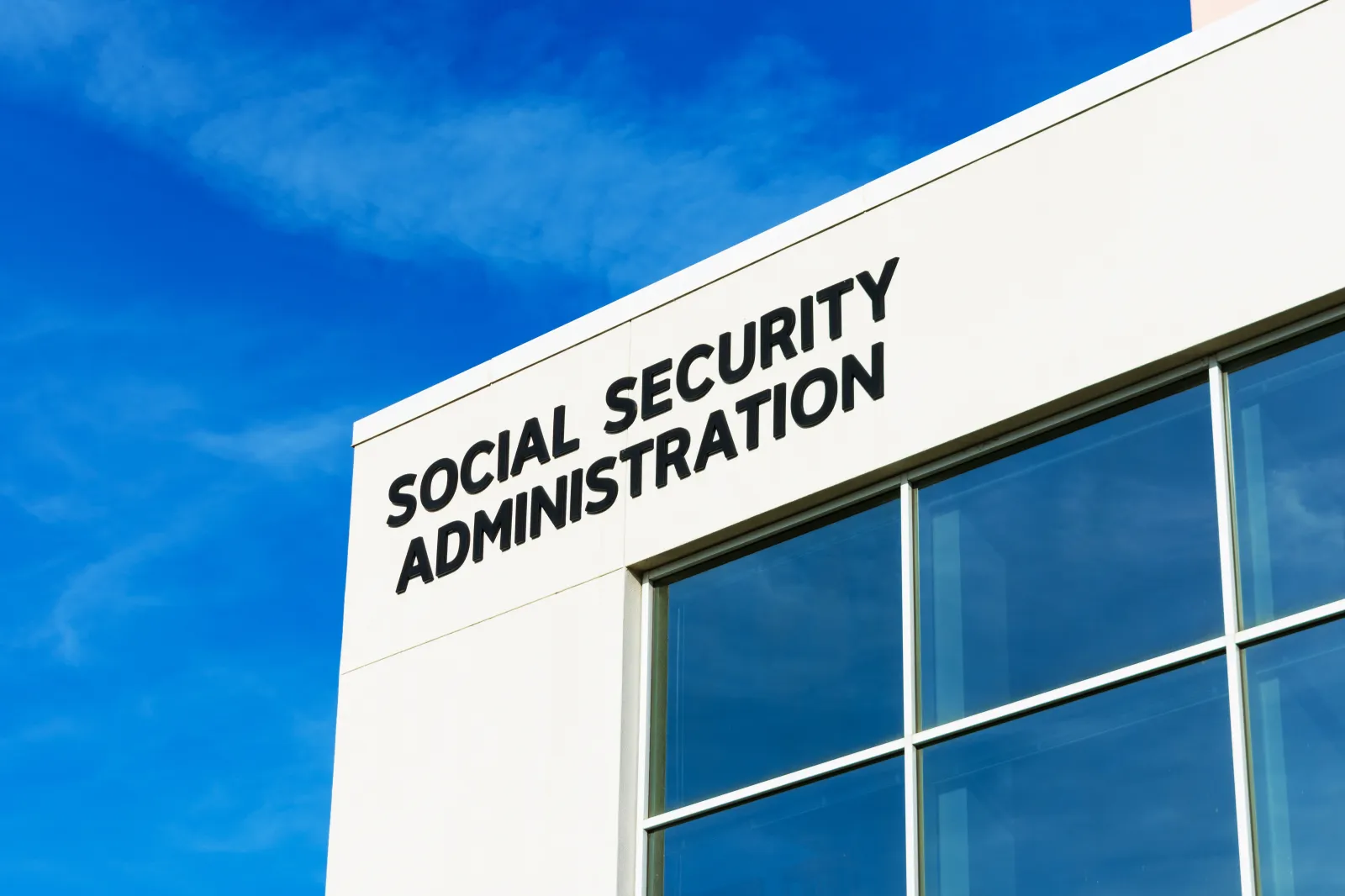
The Social Security Administration (SSA) is warning Americans to be on alert for scams after issuing fresh alerts about fraudsters posing as government officials.
In recent posts on X, the agency cautioned that scammers are contacting people by phone and message while falsely claiming to represent a government agency.
“Scammers are getting more creative. During National Consumer Protection Week, learn the warning signs and help us #SlamtheScam. Share this info to protect your loved ones: ow.ly/nSQa50Ypjp3,” the agency wrote on X on Wednesday.
Read More on Personal Finance
Why It Matters
Scams involving government impersonation, including those falsely claiming to be from Social Security, are among the most common and costly fraud schemes reported in the U.S.
According to the Federal Trade Commission, impersonation scams that mimic government agencies and businesses consistently rank at the top of fraud reports nationwide. In 2023 alone, the FTC received nearly 160,000 reports of government impersonation scams, with combined losses exceeding $1.1 billion, more than triple the amount reported in 2020.
...
What To Know
The SSA urged the public not to engage with unexpected calls or messages and emphasized that legitimate government officials do not demand sensitive personal information or payments in unconventional forms.
“One of the biggest drawbacks of technological advancements have been scams involving Social Security and other benefits getting more refined and more difficult to spot for beneficiaries. Simply put, Social Security isn't sending your personal emails or texts,” Alex Beene, a financial literacy instructor for the University of Tennessee at Martin, told Newsweek.
“The administration won't call you out of the blue asking for your Social Security number and other personal information. Official correspondence will come through their official administration building, and, with highly sensitive and important documentation, letters will arrive through certified mail.”
The agency outlined clear steps for anyone who receives an unsolicited call claiming to be from the government: hang up immediately, do not provide personal or financial information, and never send money or retail gift cards.
The SSA also encouraged the public to report suspicious calls and messages so authorities can track and combat fraudulent activity.
The warnings come as scammers increasingly use official‑sounding language and impersonation tactics to pressure people into handing over sensitive details, according to the agency’s posts. Social Security stressed that it will not threaten beneficiaries, demand immediate action over the phone, or request payment through gift cards or similar methods.
“I always tell my retirees: never answer a call claiming to be from the Social Security Administration. In most cases, they won’t contact you unexpectedly. If someone calls creating urgency or asking you to move money, hang up,” Kevin Thompson, the CEO of 9i Capital Group and the host of the 9innings podcast, told Newsweek.
“Be just as careful with emails. Always check the sender’s address and make sure it ends in .gov or comes from a verifiable government domain. Spoofed emails are becoming more common, and scammers are getting better at making them look legitimate.”
What People Are Saying
Kevin Thompson, the CEO of 9i Capital Group and the host of the 9innings podcast, told Newsweek: “Unfortunately, these scams are becoming increasingly common. Criminals are spoofing phone numbers and email addresses, pretending to be Social Security agents, and pressuring people to move money or provide personal information. While you can report these incidents to the FTC, the reality is there are simply too many for authorities to catch them all.”
Drew Powers, founder of Illinois-based Powers Financial Group, told Newsweek: “Financial elder abuse is a huge problem, and too much of it goes unrecognized or unreported. Technology evolves at such a fast rate that many seniors find it difficult to keep up. The Social Security Administration is working hard to get the word out on common scams.”
What Happens Next
Consumers who believe they have been targeted are encouraged to report suspicious communications using official reporting tools linked by the agency, helping prevent others from falling victim to similar schemes.
“It can be scary to receive a call or text message telling you that your Social Security benefits are at risk, or that your bank account has been compromised,” Powers said. “Scammers are skilled at creating panic. Seniors need to be aware and vigilant in protecting their information.”
In a polarized era, the center is dismissed as bland. At Newsweek, ours is different: The Courageous Center—it's not "both sides," it's sharp, challenging and alive with ideas. We follow facts, not factions. If that sounds like the kind of journalism you want to see thrive, we need you.
When you become a Newsweek Member, you support a mission to keep the center strong and vibrant. Members enjoy: Ad-free browsing, exclusive content and editor conversations. Help keep the center courageous. Join today.


View 0 Comments
Submit Correction
View Editorial & AI Guidelines