...

By Anna Skinner
Associate News Editor
0
Share
Newsweek is a Trust Project member
See more of our trusted coverage when you search.Prefer Newsweek on Googleto see more of our trusted coverage when you search.
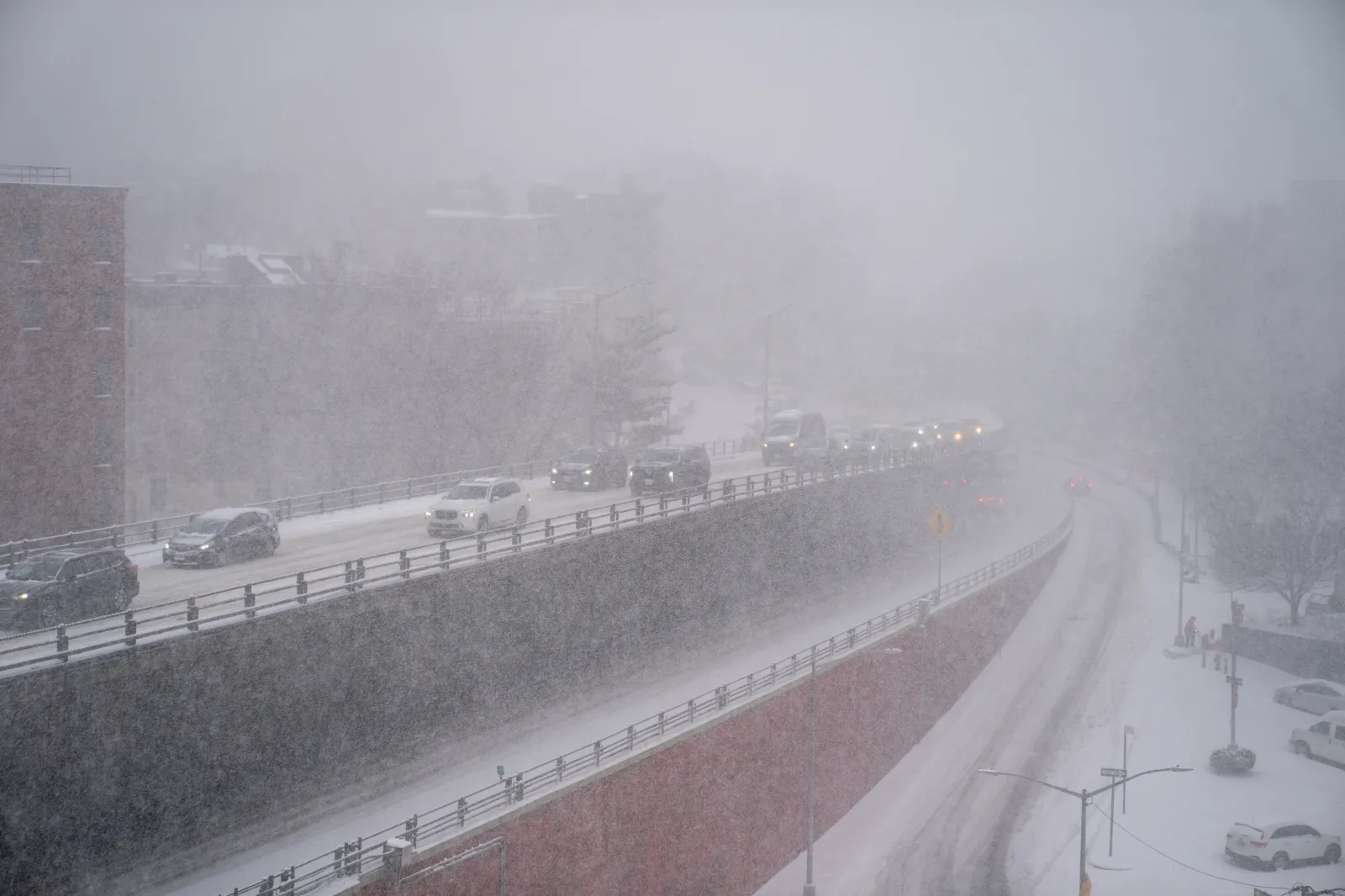
More than 450,000 people were given minutes' notice to prepare for a sudden, life-threatening snow squall that hit north-central Ohio on Tuesday afternoon.
The sudden warning was issued by the National Weather Service (NWS) office in Cleveland, shortly before 4 p.m. ET on Tuesday afternoon, after radar and webcams detected a dangerous snow squall. More than 450,000 people live in the warning area, which includes Huron, Erie, Lorain, Richland, Ashland, and Crawford Counties.
By 4:45 p.m. ET, subsequent snow squall warnings were issued to encompass more than 1.7 million people, including residents of Cleveland.
Read More on U.S.
"Consider avoiding or delaying travel until the snow squall passes your location," the snow squall warning said. "If you must travel, use extra caution and allow extra time. Rapid changes in visibility and slick road conditions may lead to accidents. If traveling on a highway, find the nearest exit or rest area and park safely away from traffic. Allow snow squalls to pass before attempting to resume travel."
In two separate snow squall warnings, the NWS office in Cleveland warned that "travel conditions are expected to quickly deteriorate" on Interstate 71, U.S. Route 224, U.S. Route 30, the Ohio Turnpike, Interstate 90, Ohio State Route 2, and U.S. Route 20.
...
What Is a Snow Squall?
A snow squall develops quickly, causing sudden whiteout conditions that can be fatal for drivers caught in it. When combined with falling temperatures, roads become icy in minutes. Snow squalls typically last for around an hour.
"Squalls can occur where there is no large-scale winter storm in progress and might only produce minor accumulations," the NWS says. "Snow squalls can cause localized extreme impacts to the traveling public and to commerce for brief periods of time. Unfortunately, there is a long history of deadly traffic accidents associated with snow squalls. Although snow accumulations are typically an inch or less, the added combination of gusty winds, falling temperatures and quick reductions in visibility can cause extremely dangerous conditions for motorists."
What Does a Snow Squall Warning Mean?
When the NWS issues a snow squall warning, it means the snow squall is imminent or already occurring. Similar to tornado warnings, "snow squall warnings are short-fused and focused on distinct areas," the NWS says on its website.
"These warnings provide critical, highly localized life-saving information. If a snow squall warning is issued for your area, avoid or delay motor travel until the squall passes through your location."
The current snow squall warnings in Ohio may remain in place until 5 p.m. ET on Tuesday evening, depending on the location.
NWS Cleveland has issued more snow squall warnings since the first two, as gusty winds and blowing snow shift east. People living in Ohio are urged to follow local forecasts and delay travel if they are included within the snow squall warning area.
Update 1/27/26, 4:55 p.m. ET: This article was updated with additional information.
View 0 Comments
Submit Correction
View Editorial & AI Guidelines