
By Aliss Higham
Reporter
0
Share
Newsweek is a Trust Project member
See more of our trusted coverage when you search.Prefer Newsweek on Googleto see more of our trusted coverage when you search.
Nearly half of U.S. states are moving to limit what can be purchased with food assistance, marking a significant shift in how one of the nation’s largest anti-hunger programs operates.
The Supplemental Nutrition Assistance Program (SNAP), commonly known as food stamps, provides monthly grocery benefits to more than 40 million low- and no-income Americans nationwide. While the program has long allowed recipients to buy a wide range of foods, a growing number of states are seeking to narrow those choices, particularly when it comes to sugary drinks and candy.
What SNAP Covers
SNAP benefits can be used in all 50 states and eligible territories to purchase most grocery items, including fresh produce, meat, dairy, bread, cereal, snack foods and nonalcoholic beverages such as juice, coffee and bottled water. Households can also use benefits to buy seeds and plants to grow food at home.
Read More on News
The program does not pay for alcohol, tobacco, vitamins, supplements, hot prepared meals meant for immediate consumption, or non-human-food goods, such as for pets, or cleaning supplies. Its core aim is to help families buy groceries to prepare at home.
Now, several states have received federal approval to further restrict eligible items by banning certain “junk foods.” The term generally refers to products high in sugar and fat but low in nutritional value.
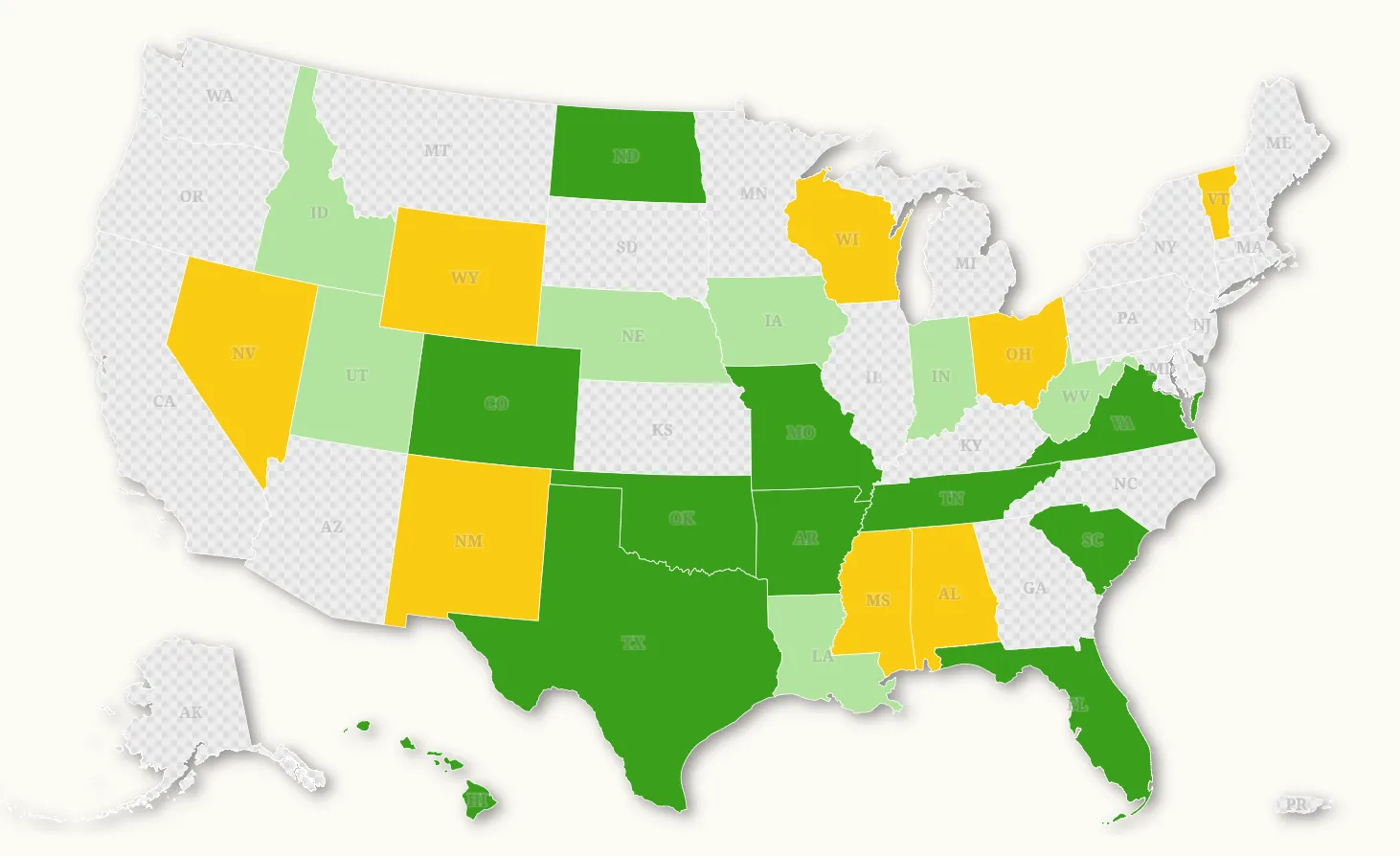
Among the states where new rules are already in effect are Indiana, Iowa, Louisiana, Nebraska, Oklahoma, Utah and West Virginia. Other states are awaiting implementation dates in 2026, while some proposals still require approval from state legislatures and governors and may not take effect until 2027, if at all.
The scope of the restrictions also varies, with not every waiver covering the same items. In Texas, the ban scheduled for later this year will include soda, energy drinks, candy and prepared desserts. Louisiana will prohibit purchases of soft drinks, energy drinks and candy. In Colorado and West Virginia, the restrictions are narrower, targeting only soft drinks.
In addition to those already approved, several states are considering similar changes through the legislative process, including Alabama, Mississippi, Nevada, New Mexico, Ohio, Vermont, Wisconsin and Wyoming. Efforts in some states, such as Montana, have failed to secure approval.
The Role of Waivers
States seeking to impose additional limits must obtain waivers from the U.S. Department of Agriculture (USDA), which oversees SNAP. A waiver allows states to modify certain program rules and administer benefits differently from the federal baseline.
Waivers were widely used during the COVID-19 pandemic to expand access and flexibility. The current round, however, focuses on restricting specific food categories rather than broadening eligibility or benefits.
For and Against
The push has been encouraged at the federal level, and most of the states pursuing changes are Republican led.
In December, Agriculture Secretary Brooke Rollins framed the shift as part of a broader health initiative. “President Trump has made it clear: We are restoring SNAP to its true purpose—nutrition. Under the MAHA [Make America Healthy Again] initiative, we are taking bold, historic steps to reverse the chronic diseases epidemic that has taken root in this country for far too long,” she said.
Rollins added that “America's governors are answering that call with courage and innovation, offering solutions that honor the generosity of the taxpayer while helping families live longer, healthier lives,” and argued that the waivers would help protect children “from the dangers of highly processed foods” while advancing the president’s pledge to “Make America Healthy Again.”
Not everyone agrees the changes will improve public health. The Center for Budget and Policy Priorities, a left-leaning think tank, warned in October 2025 that “SNAP helps more than 41 million people put food on the table each month, while supporting local stores and strengthening economies.” The group argued that “Cutting SNAP funding and policing people's groceries does not improve the program or respect their dignity,” adding that with “the largest cuts in the program's history looming,” states should avoid “making it more complicated to use this critical program.”
In a polarized era, the center is dismissed as bland. At Newsweek, ours is different: The Courageous Center—it's not "both sides," it's sharp, challenging and alive with ideas. We follow facts, not factions. If that sounds like the kind of journalism you want to see thrive, we need you.
When you become a Newsweek Member, you support a mission to keep the center strong and vibrant. Members enjoy: Ad-free browsing, exclusive content and editor conversations. Help keep the center courageous. Join today.


View 0 Comments
Submit Correction
View Editorial & AI Guidelines