...

By Aliss Higham
Reporter
0
Share
Newsweek is a Trust Project member
See more of our trusted coverage when you search.Prefer Newsweek on Googleto see more of our trusted coverage when you search.
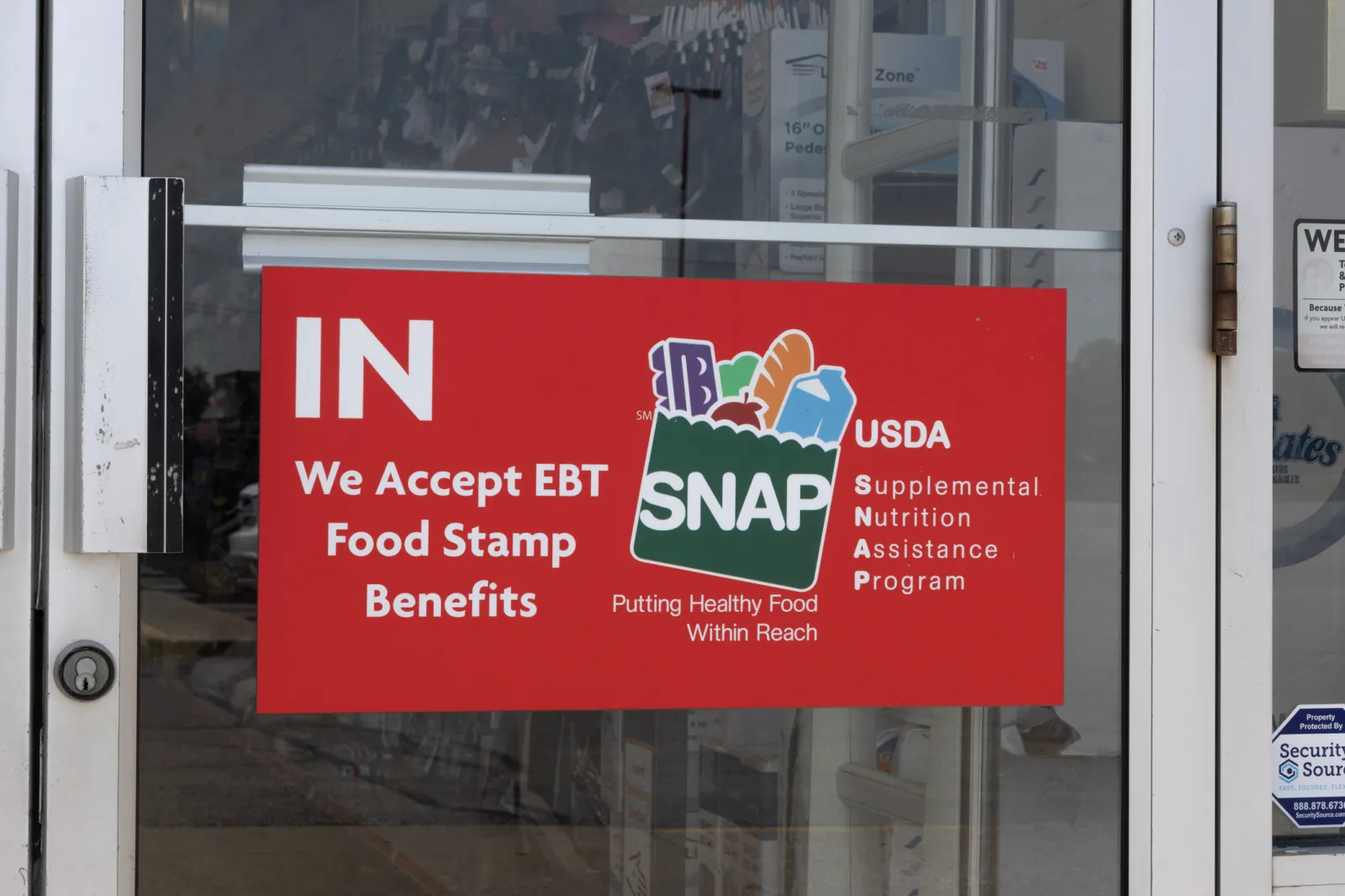
Millions of Americans who rely on food assistance will face new purchasing restrictions beginning in April as several states move forward with limits on certain products bought with Supplemental Nutrition Assistance Program (SNAP) benefits.
The policy changes, approved by the U.S. Department of Agriculture (USDA), reflect a broader federal push to steer the program toward healthier foods, but the move has also sparked criticism and legal challenges.
SNAP is federally funded but run by states, meaning state and local governments have some discretion in how the program operates. However, any changes to the categories of food that recipients can buy must first be approved by the USDA.
Read More on U.S.
Junk Food Restrictions
Three states will begin implementing new limits on specific products starting in April.
Texas will prohibit the use of benefits to buy sweetened beverages and candy on April 1.
Florida is taking a broader approach, restricting soda, energy drinks, candy, and prepared desserts, starting April 20.
In Colorado, SNAP benefits will no longer be permitted for the purchase of soft drinks starting on April 30, though there has been some pushback in the state.
These changes are part of a wider set of waivers approved for 22 states: Arkansas, Colorado, Florida, Hawaii, Idaho, Indiana, Iowa, Kansas, Louisiana, Missouri, Nebraska, Nevada, North Dakota, Ohio, Oklahoma, South Carolina, Tennessee, Texas, Utah, Virginia, West Virginia and Wyoming.
Several states have already begun enforcing similar restrictions, including Idaho, Indiana, Iowa, Louisiana, Nebraska, Oklahoma, Utah and West Virginia.
...
Supporters argue the program should focus more clearly on nutritious foods. In a March 4 press release, Health Secretary Robert F. Kennedy Jr. said: “SNAP exists to nourish vulnerable Americans—not bankroll the products driving our chronic disease crisis. Today, we are putting nutrition back at the center of SNAP and giving millions of families greater access to real food.”
Others say the policy may overlook the realities that many households relying on the program face.
Kavelle Christie, a health policy and advocacy expert, told Newsweek: “The issue isn't about individuals misusing their benefits, but their limited choices. In many rural areas and food deserts, convenience stores and fast-food chains are often the only available options. For many families, fresh produce and healthy meals are luxuries that are unattainable, not because they do not want these foods, but because they are unavailable or too expensive.”
Legal Action
The restrictions have also prompted a legal challenge from SNAP recipients in several states.
A new lawsuit filed against the USDA argues the agency exceeded its authority when approving the waivers. According to the complaint, the department authorized the policy changes without establishing a clear process for evaluating the restrictions or seeking input from affected groups.
“By approving twenty-two so-called ‘food restriction’ waivers, Defendants have authorized states to narrow the statutory definition of ‘food’ haphazardly without statutory authority or evaluation methodology, and without notice to or input from the people or businesses directly affected,” the complaint states.
The five plaintiffs, who live in Colorado, Iowa, Nebraska, Tennessee and West Virginia, say the new rules create confusion and financial strain for families that depend on SNAP to cover grocery costs.
"Families must choose between using scarce cash to purchase restricted items or foregoing essential household expenses such as rent, utilities, or transportation," the lawsuit said. "These harms are tangible, ongoing, and irreparable."
In a polarized era, the center is dismissed as bland. At Newsweek, ours is different: The Courageous Center—it's not "both sides," it's sharp, challenging and alive with ideas. We follow facts, not factions. If that sounds like the kind of journalism you want to see thrive, we need you.
When you become a Newsweek Member, you support a mission to keep the center strong and vibrant. Members enjoy: Ad-free browsing, exclusive content and editor conversations. Help keep the center courageous. Join today.


View 0 Comments
Submit Correction
View Editorial & AI Guidelines