
By Aliss Higham
Reporter
0
Share
Newsweek is a Trust Project member
See more of our trusted coverage when you search.Prefer Newsweek on Googleto see more of our trusted coverage when you search.
A growing number of states are set to change what millions of Americans can buy with food assistance benefits, as new rules aimed at limiting unhealthy purchases roll out in 2026.
Several states will begin restricting the types of food and drink that can be purchased with Supplemental Nutrition Assistance Program (SNAP) benefits next year, following a coordinated federal and state push to refocus the program on nutrition.
The changes, approved through federal waivers, reflect a wider Trump administration effort to curb diet-related disease while reshaping how one of the country’s largest safety net programs operates.
Read More on News
SNAP—often referred to as food stamps—provides monthly grocery assistance to more than 40 million low- and no-income Americans. While the program is governed by U.S. Department of Agriculture (USDA) rules, states can request waivers that allow them to modify certain aspects of how SNAP is administered.
In recent months, a spate of such waivers has been approved, clearing the way for new restrictions on what beneficiaries can purchase.
Junk Food Restrictions
Beginning in 2026, states with approved waivers will prohibit SNAP recipients from using electronic benefit transfer (EBT) cards to buy specific categories of foods deemed unhealthy. Although the exact rules vary by state, the restrictions generally focus on so-called junk foods—items that are high in calories, particularly sugar and fat, but offer little nutritional value.
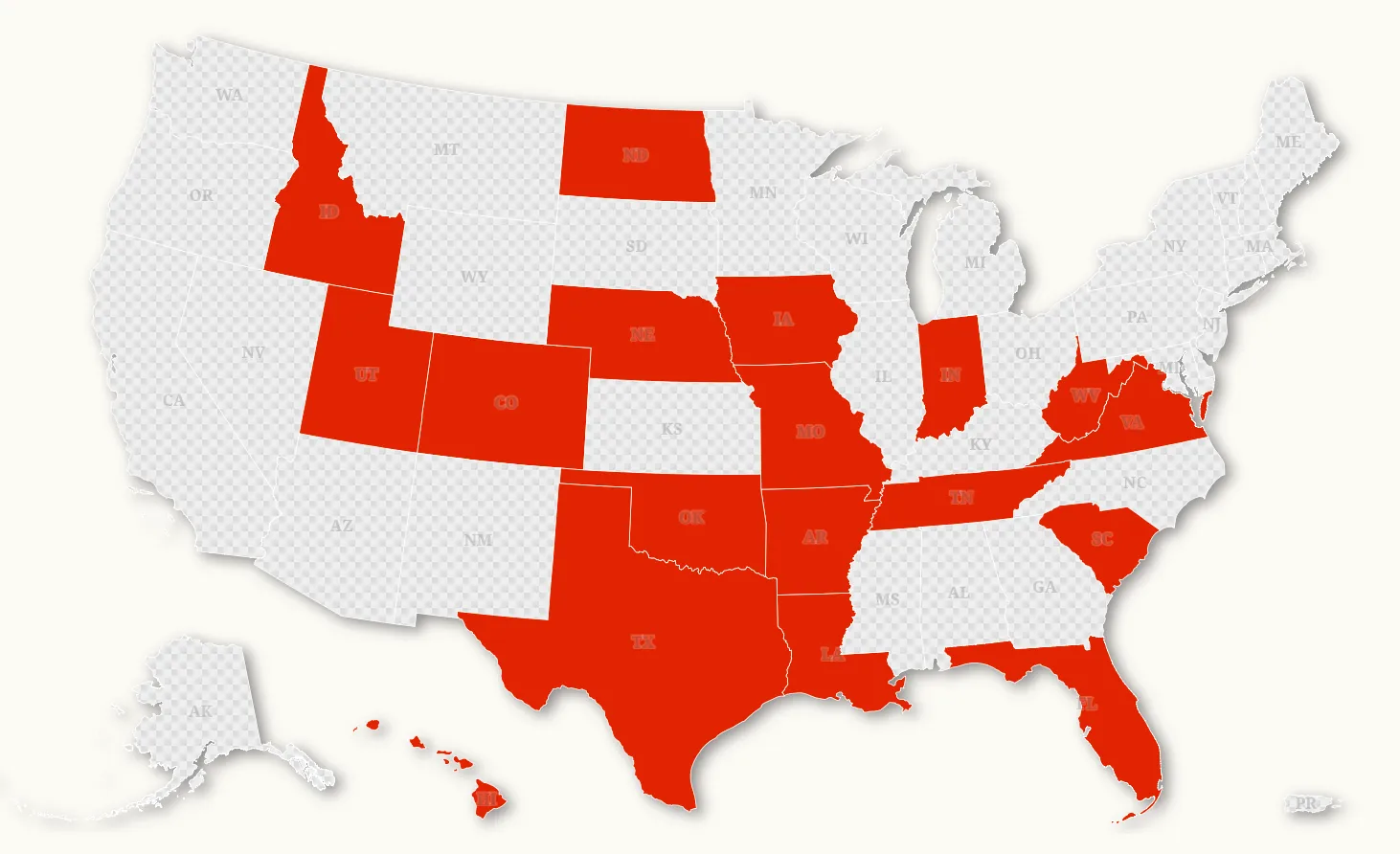
The states with changes on the way are Arkansas, Colorado, Florida, Hawaii, Idaho, Indiana, Iowa, Louisiana, Missouri, Nebraska, North Dakota, Oklahoma, South Carolina, Tennessee, Texas, Utah, Virginia and West Virginia.
In total, 18 states have changed their rules around unhealthy SNAP purchases over the past year.
The approvals were granted at different points, meaning implementation will not happen simultaneously. Some states are set to introduce the changes at the start of 2026, while others will roll them out later.
Not all of the restrictions are the same. States such as Arkansas, Florida and Indiana will ban the purchase of sugary foods and drinks altogether. Others are taking a narrower approach. Nebraska, Utah and Virginia, for example, will prohibit only sugary drinks from being purchased with SNAP benefits, while allowing other items to remain eligible.
'Restoring SNAP'
The USDA has framed the shift as part of a larger effort to improve public health outcomes, particularly among children and low-income families.
"President Trump has made it clear: We are restoring SNAP to its true purpose—nutrition," Agriculture Secretary Brooke Rollins said. "Under the MAHA [Make America Healthy Again] initiative, we are taking bold, historic steps to reverse the chronic diseases epidemic that has taken root in this country for far too long.
"America’s governors are answering that call with courage and innovation, offering solutions that honor the generosity of the taxpayer while helping families live longer, healthier lives. With these new waivers, we are empowering states to lead, protecting our children from the dangers of highly processed foods, and moving one step closer to the president’s promise to Make America Healthy Again."
Health experts remain divided on whether restricting SNAP purchases will achieve those goals. Dr. Michael Aziz, attending physician at Lenox Hill Hospital in New York, told Newsweek: "Obesity has emerged as the nation’s most pressing health and nutrition issue. Because of concerns about poor diet, overweight and obesity among low-income Americans, there is considerable interest in using federal nutrition assistance programs to promote healthy choices.
"Some argue that food stamp recipients should be prohibited from using their benefits to buy foods with limited nutritional value such as junk food.”
At the same time, Aziz cautioned: "The idea of restricting the use of food stamp benefits may be appealing, but upon a closer examination, serious concerns emerge regarding the feasibility and rationale for the proposed restriction. Approval may be granted, but real food also costs more money. Eggs can cost more than cereals and this can lead to this population skipping meals or going hungry."
View 0 Comments
Submit Correction
View Editorial & AI Guidelines