...

By Lydia Patrick
Life & Trends Reporter
0
Share
Newsweek is a Trust Project member
See more of our trusted coverage when you search.Prefer Newsweek on Googleto see more of our trusted coverage when you search.
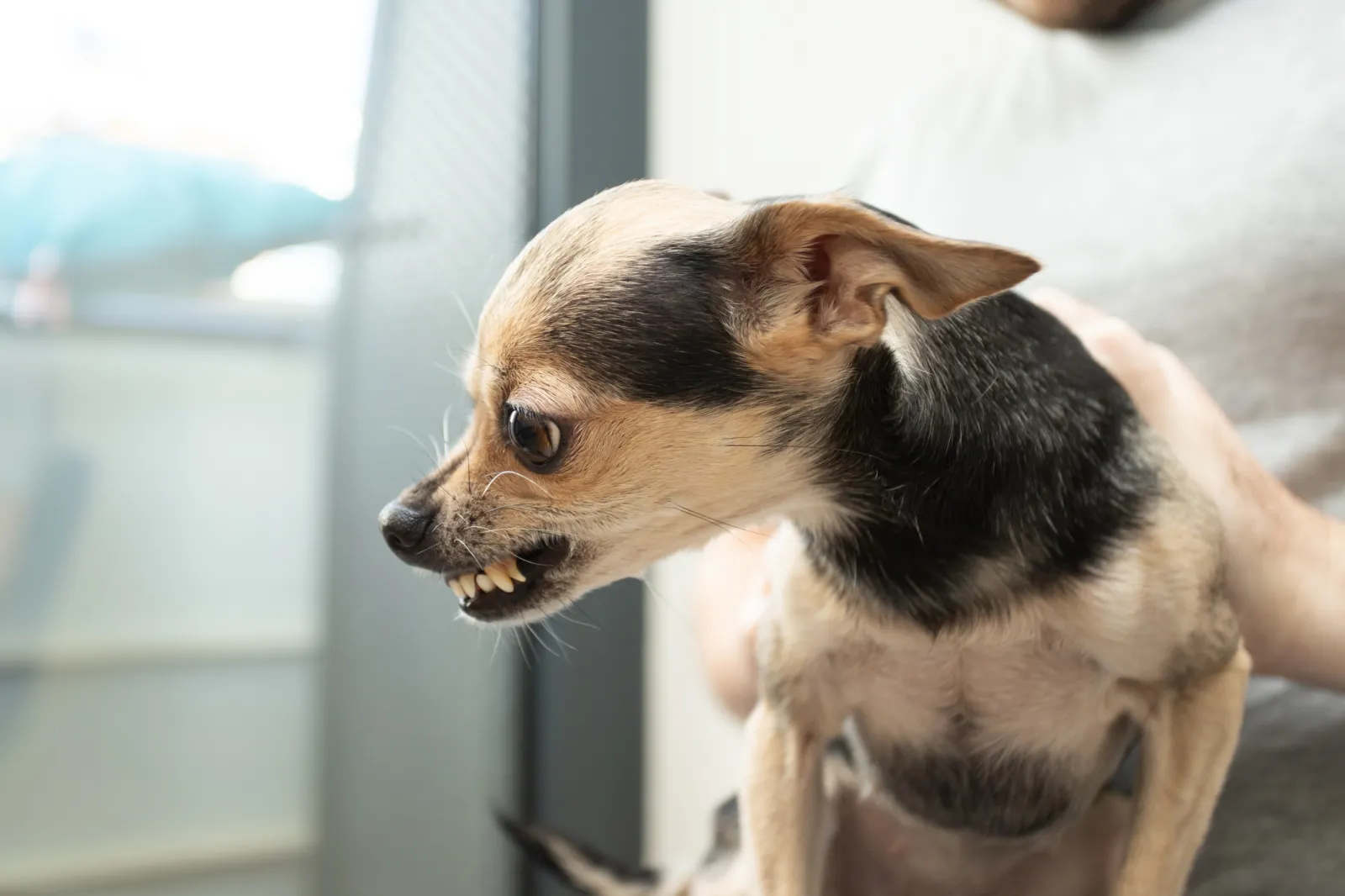
We've all been there—coming home to a cold shoulder from our furry best friend, wondering what we did to deserve such an icy reception. But is your dog actually mad at you?
According to experts, dogs don't experience anger in the same way humans do. Instead, they react to situations based on emotions like fear, frustration or confusion. If your pup seems upset, they're likely just trying to communicate something important.
Understanding Canine Emotions
Michelle Baker, founder and dog behavior specialist at Furkids Inc, explained to Newsweek that dogs don't hold grudges or dwell on past events the way humans do.
Read More on Life
Instead, what we perceive as a dog being "mad" is often just their way of expressing discomfort or frustration in the moment.
...
"As a human who is fluent in dog, let me start by saying dogs do tell you when they are upset or uncomfortable," says Baker. "Here are a few communication signals they give you that you might not be noticing:"
- Side-eye or "whale eye" – Seeing more of the whites of their eyes than usual can indicate stress or unease.
- Yawning (when not tired) – This subtle stress signal helps dogs self-soothe.
- Tense body language or stiffness – A tight mouth, rigid body, or a still tail (whether tucked or upright) may suggest discomfort.
- Growling or low warning sounds – Growling isn't always aggression—it's a way for dogs to ask for space or express unease.
- Sudden destructive behavior – Chewing, shredding, or making a mess out of nowhere can be a sign of frustration or anxiety.
According to Baker, changes in routine, feeling sick or even loud noises like cheering at a soccer game can trigger these behaviors. Understanding the root cause is key to addressing your dog's needs.
Signs Your Dog Might Be Upset
Wendy Diamond, chief pet officer of Animal Fair Media Inc, told Newsweek that dogs have their own ways of showing discontent. These include:
- The cold shoulder – A typically affectionate pup suddenly avoiding eye contact or not greeting you enthusiastically.
- Ignoring you – Walking away with their favorite toy instead of engaging.
- Avoidance – A dog who usually follows you everywhere may suddenly prefer another room.
- Selective hearing – If they suddenly ignore commands like "Come here!" you might be on their bad side.
Why Your Dog Might Seem 'Mad'
Dogs express frustration or distress for various reasons. Diamond suggests a few possible causes:
- Being left alone too long – Dogs are social animals and may feel neglected if left alone for extended periods.
- Missed treat time – If you skip their usual snack, expect a little attitude.
- Too much or too little affection – Some dogs crave constant belly rubs, while others prefer their space.
- Bath time betrayal – Even when necessary, some pups act like a bath is an unforgivable offense.
How to Regain Their Trust
If your dog seems upset, don't worry—dogs don't hold grudges, and you can get back in their good graces quickly with these expert tips:
- Rebuild positive associations – Treats, happy tones and their favorite activities help restore trust.
- Apologize in dog language – Use soft, slow body language and a cheerful voice to reassure them.
- Engage in fun, low-pressure activities – Play their favorite game, go on a relaxed walk or just spend time together.
- Check for medical issues – If their behavior is unusual or persistent, a vet check might be necessary.
The Science Behind It
Dr. Liza Cahn, veterinarian at Embrace Pet Insurance, told Newsweek that while dogs don't process anger like humans, they do experience emotions like fear, anxiety, and frustration.
However, dogs do experience many emotions that may result in behaviors their owners attribute to "being mad," such as fear, anxiety, frustration, and discomfort. These can result in physical and behavioral changes such as lip licking, yawning, growling, biting, panting, chewing, hiding, destruction, clinginess, and inappropriate elimination, among others," she said.
She advised that if these behaviors persist, a vet visit is essential to rule out medical conditions. Working with a positive reinforcement trainer or veterinary behaviorist may also help address underlying causes.
The Bigger Picture
Alicia Collins, founder and CEO of K9 Activity Club, reassured dog owners that their pets aren't truly "mad" at them.
While dogs may appear sulky after a bath or the removal of a favorite toy, they don't dwell on negative experiences the way humans do.
She told Newsweek: "If your dog seems irritated about something mundane, the best thing to do is to change the subject.
"The less attention you pay to it, the quicker it will pass. Redirecting their focus to something fun will change the vibe. In the end, dogs remind us that life is too short to hold grudges and that living in the moment is what truly matters. How wonderful is that?"
Do you have funny and adorable videos or pictures of your pet you want to share? We want to see the best ones! Send them in to life@newsweek.com and they could appear on our site.
View 0 Comments
Submit Correction
View Editorial & AI Guidelines