
...

By Gabe Whisnant
News Editor
0
Share
Newsweek is a Trust Project member
See more of our trusted coverage when you search.Prefer Newsweek on Googleto see more of our trusted coverage when you search.
The gunman who killed four people in a Manhattan office tower that houses the National Football League’s headquarters was suffering from chronic traumatic encephalopathy, or CTE, a degenerative brain disease linked to repeated head trauma, the city’s medical examiner said Friday.
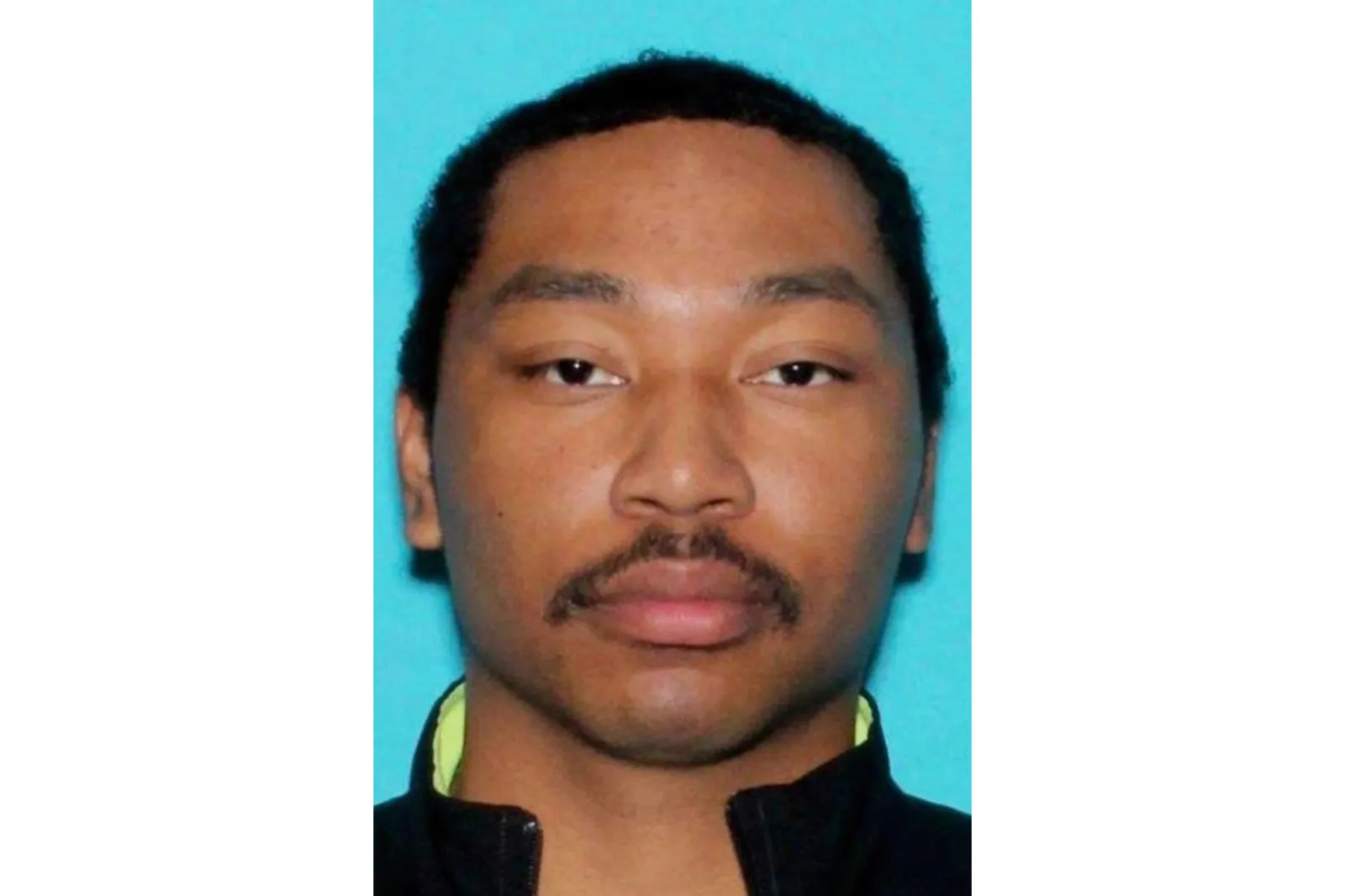
Shane Tamura, 27, a Las Vegas casino worker and former high school football player, had “unambiguous diagnostic evidence” of low-stage CTE, according to the report. The condition can only be confirmed after death.
...
Read More on U.S.
What to Remember About NFL Office Shooting in New York
Tamura carried out the July 28 mass shooting, killing an NYPD officer, a security guard and two building employees before fatally shooting himself in the chest. Officials said he intended to attack the NFL’s offices but mistakenly took the wrong elevator. A league employee was wounded in the lobby but survived.
Investigators found a three-page handwritten note in Tamura’s wallet in which he claimed the NFL concealed the dangers of football-related brain injuries.
“Study my brain,” he wrote, linking his mental struggles to CTE and accusing the league of prioritizing profits over player safety.
What is CTE and Can You Recover?
CTE damages areas of the brain that regulate behavior and emotion, and has been associated with memory loss, depression, aggression and impaired judgment. Researchers have found the disease in both professional and amateur athletes exposed to repeated concussions or subconcussive blows.
There is currently no cure, no treatment to stop or reverse it, and no way to repair the brain damage once it occurs.
Doctors can only treat the symptoms — such as depression, anxiety, aggression, or memory loss — with medication, therapy, and lifestyle changes. Research is ongoing into how to detect CTE earlier, reduce risks in contact sports, and slow its effects, but for now, the disease is considered irreversible.
The NFL acknowledged the link between football and CTE in 2016 congressional testimony after years of denial. Since then, the league has paid more than $1.4 billion to retired players to resolve concussion-related claims.
“There is no justification for the horrific and senseless acts that took place,” the NFL said in a statement Friday. “As the medical examiner notes, the science around this condition continues to evolve, and the physical and mental manifestations of CTE remain under study.”
What to Know About Shane Devon Tamura's Football Career
Tamura never played professionally but was a standout player in Southern California high school football programs.
Authorities said Tamura had a documented history of mental health struggles. In 2022, his mother called 911 to report he was threatening suicide, describing him as suffering from depression, migraines, concussion-like symptoms and insomnia. In 2023, he was arrested for trespassing at a Las Vegas casino after becoming agitated when asked to leave. Prosecutors later dropped the case.
The medical examiner’s office did not conclude how Tamura developed CTE but noted it is typically found in people “with a history of repeated exposure to head trauma.”
Experts said even an early-stage diagnosis can produce behavioral symptoms.
...
“Behavioral changes and impulse control problems can arise in low-stage cases and often worsen with age,” said Dr. Daniel Daneshvar, chief of brain injury rehabilitation and an associate professor at Harvard University. But he cautioned against assuming the disease directly caused Tamura’s rampage. “Pulling the string and figuring out which process is responsible for someone’s actions is not something we’re able to do,” he said.
Tamura’s case has already renewed scrutiny of football’s long-term risks and the adequacy of safety measures at all levels of the sport. The finding of CTE is expected to fuel further debate over the NFL’s responsibility to former players and the ongoing toll of brain injuries in America’s most popular game.
Updates: 9/26/25, 4:30 p.m. ET: This article was updated with new information and remarks.
View 0 Comments
Submit Correction
View Editorial & AI Guidelines