...

By Suzanne Blake
Reporter
0
Share
Newsweek is a Trust Project member
See more of our trusted coverage when you search.Prefer Newsweek on Googleto see more of our trusted coverage when you search.
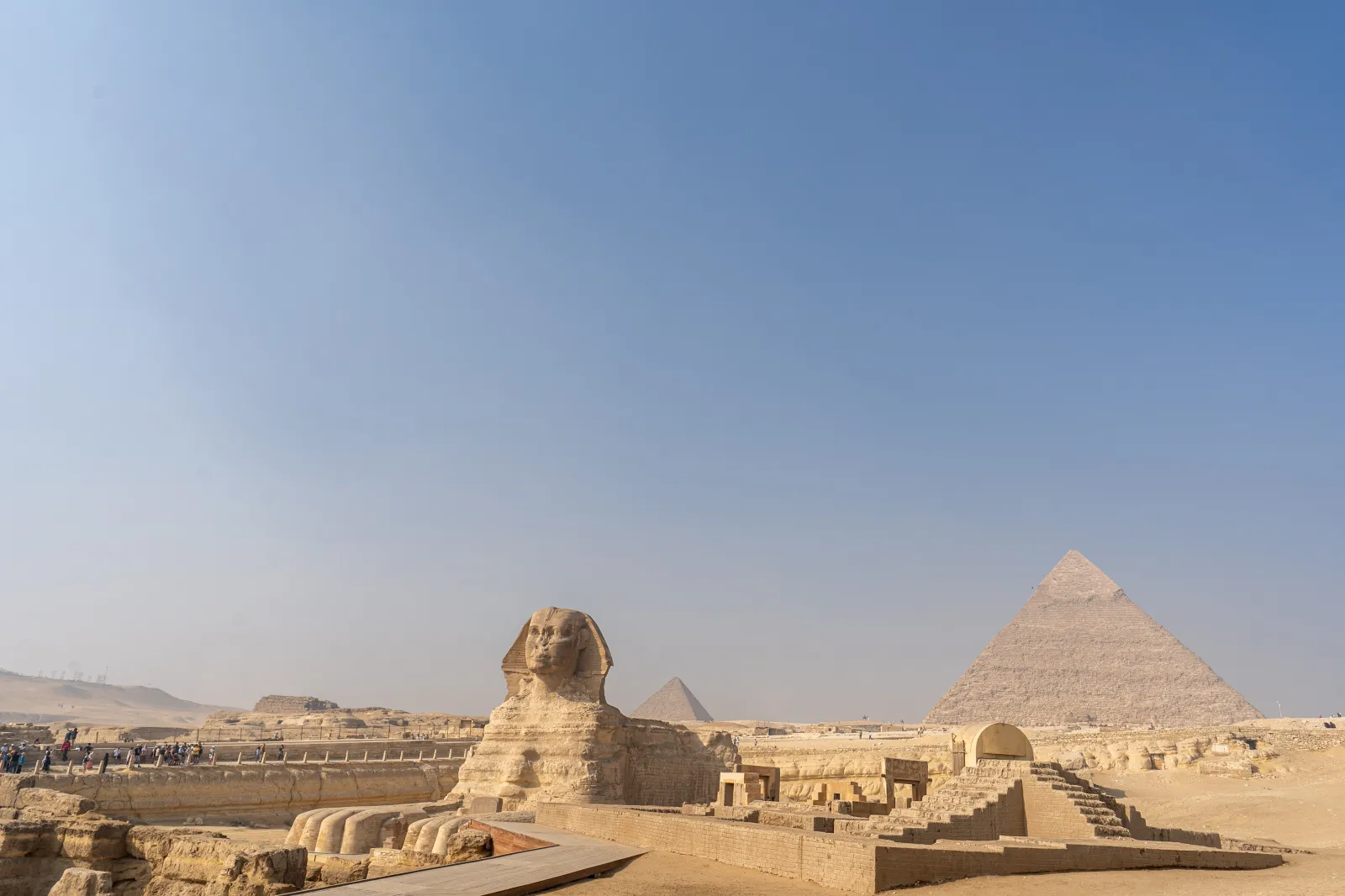
Claims that a second, massive Sphinx statue lies buried beneath the sands of Egypt’s Giza Plateau have gone viral, drawing tens of millions of views across social media and tabloid headlines.
The theory, amplified by the Daily Mail and widely shared posts on X, suggests advanced radar scans have revealed a hidden twin monument and an underground “megastructure” beneath the pyramids. But archaeologists and Egypt experts say the evidence does not support those conclusions.
...
Read More on Fact Check
The Claim
The claim centers on assertions by Italian researcher Filippo Biondi and collaborators, who said satellite‑based radar scans and geometric alignments indicate the presence of a second Sphinx buried beneath a large sand mound on the Giza Plateau.
This is based on imagery on the ancient “Dream Stele,” a stone slab placed between the Great Sphinx’s paws around 1400 BC, which appears to depict two sphinx figures.
According to Biondi, radar data shows vertical shafts and horizontal passages beneath the sand mound that mirror features found beneath the existing Great Sphinx. He has said he is about “80 percent” confident the structure could be a second Sphinx and part of a much larger underground complex.
The story gained renewed attention after the Daily Mail published an article suggesting researchers had “detected” or “found” a second Sphinx, with one viral post on X drawing around 10 million views.
The Facts
There is no confirmed archaeological evidence that a second Sphinx exists beneath the Giza Plateau. No excavation has taken place, no peer‑reviewed study has validated the findings, and Egyptian authorities have not approved or announced any such discovery.
Multiple Egyptologists and geophysics experts have rejected the claims as unsupported or based on misinterpretations of remote‑sensing data.
Zahi Hawass, Egypt’s former minister of antiquities, dismissed similar assertions, stating that the area around the pyramids and the Sphinx has been extensively studied and excavated over decades without uncovering anything resembling a second monument. He has described the underground megastructure claims as “fabrications” lacking scientific foundation.
"The rumors suggesting the presence of columns beneath the Pyramid of Khafre are nothing but fabrications propagated by individuals with no expertise in ancient Egyptian civilization or the history of the pyramids," Hawass said.
Experts also caution that the radar and satellite techniques cited by the researchers cannot reliably detect detailed structures at the depths claimed. Ground‑penetrating radar and related methods typically resolve features only a few meters below the surface, not massive carved monuments buried tens or hundreds of feet underground in dense limestone.
As for the Dream Stele, mainstream Egyptologists interpret its imagery symbolically rather than as a literal map or depiction of two physical Sphinx statues. Scholars note that the stele’s text does not mention a second Sphinx, and similar “twin Sphinx” theories have circulated for decades without credible evidence.
The Ruling
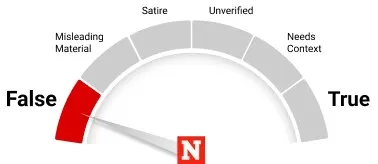
False.
While researchers have speculated based on unverified radar interpretations and symbolic readings of ancient art that a second Sphinx might exist, there is no confirmed archaeological evidence to support the claim.
Experts in Egyptology and geophysics say the data cited does not prove the existence of a buried Sphinx, and no excavation or peer‑reviewed research has validated the theory.
For now, the idea of a second Sphinx beneath the Giza Plateau remains speculation, not a scientific discovery.
View 0 Comments
Submit Correction
View Editorial & AI Guidelines