...

By Hugh Cameron
Reporter
0
Share
Newsweek is a Trust Project member
See more of our trusted coverage when you search.Prefer Newsweek on Googleto see more of our trusted coverage when you search.
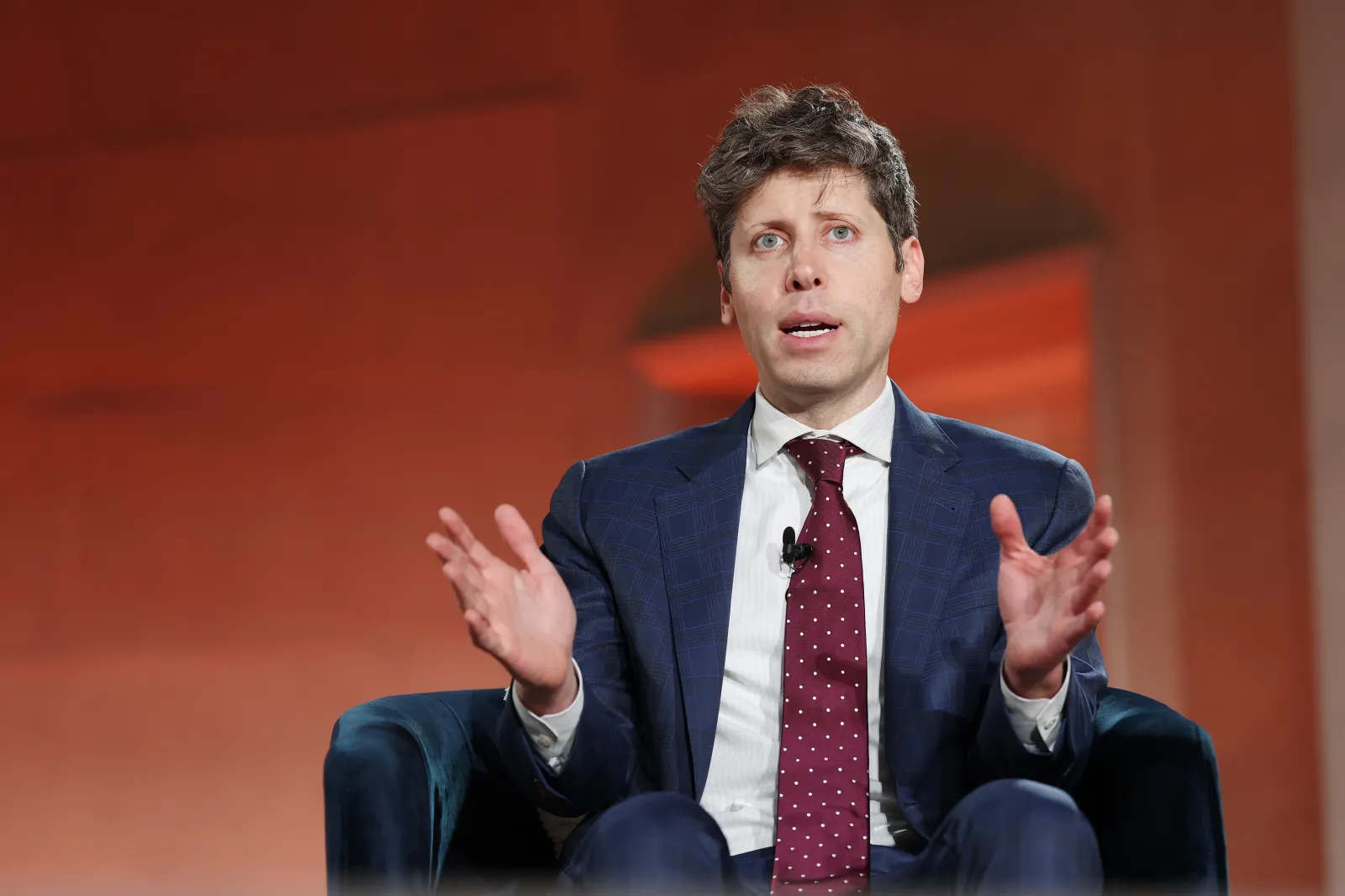
Sam Altman, the billionaire CEO of OpenAI, has outlined recommendations for how governments should regulate artificial intelligence and share the economic gains from the technology's rapid rise.
In a white paper released on Monday, entitled "Industrial policy for the Intelligence Age," OpenAI laid out three aims it said should inform future governance of the AI space: To "share prosperity broadly," "mitigate risks," and "democratize access and agency."
Among its main proposals are enshrining a "right to AI," and treating access to the technology as "foundational for participation in the modern economy," while also modernizing the tax base to fund essential programs when AI upends existing economic structures.
Read More on News
"As AI reshapes work and production, the composition of economic activity may shift—expanding corporate profits and capital gains while potentially reducing reliance on labor income and payroll taxes," says the report. "This could erode the tax base that funds core programs like Social Security, Medicaid, SNAP, and housing assistance—putting them at risk."
The company went on to say that mitigating these risks could be accomplished by increasing reliance on capital-based revenues like capital gains and corporate income, as well as "exploring new approaches such as taxes related to automated labor"—dubbed a form of "robot tax" by Axios and others.
Why It Matters
While forecasts are split between the optimists and pessimists, experts and industry figures are in broad agreement that the rapid rise of artificial intelligence will reshape the U.S. workforce—either with widespread and permanent job losses or, as the optimists argue, a realignment that sees the technology alter existing jobs and create new roles within an increasingly AI-driven economy.
What To Know
OpenAI said that the blueprint was in part motivated by the ongoing transition toward "superintelligence," defined as AI systems that are "capable of outperforming the smartest humans even when they are assisted by AI."
"No one knows exactly how this transition will unfold," says the document. "At OpenAI, we believe we should navigate it through a democratic process that gives people real power to shape the AI future they want, and prepare for a range of possible outcomes while building the capacity to adapt."
"While we strongly believe that AI’s benefits will far outweigh its challenges, we are clear-eyed about the risks—of jobs and entire industries being disrupted; bad actors misusing the technology; misaligned systems evading human control; governments or institutions deploying AI in ways that undermine democratic values; and power and wealth becoming more concentrated instead of more widely shared," it adds.
...
OpenAI said ensuring the "higher quality of life" that superintelligence could supposedly offer would require "proactive political choices" to mitigate economic and other risks associated with these advancements.
In an interview with Axios, Altman said that large changes in tax systems were among the more doable and politically acceptable ideas outlined in the blueprint—describing theses as "in the Overton window, but near the edges."
But in addition to modernizing the tax base, the company suggested the creation of a new "public wealth fund" that gives each citizen "a stake in AI-driven economic growth"—such as through investments in AI-linked companies—as well as some way to "convert efficiency gains from AI into durable improvements in workers’ benefits when routine workload declines and operating costs fall."
Success in the latter, it said, could mean incentivizing companies to trial four-day workweeks with a view to making this change permanent—an idea that other AI executives have floated in the past.
What People Are Saying
OpenAI wrote in the report: "We offer these ideas not as fixed answers but as a starting point for a broader conversation about how to ensure that AI benefits everyone. That conversation should be inclusive and ongoing—engaging governments, companies, researchers, civil society, communities, and families—and should be mediated through democratic processes that give people real power to shape the AI future they want. It also needs to expand globally—bringing in the perspectives of cultures, societies, and governments around the world."
What Happens Next
In addition to soliciting feedback on its proposals, OpenAI said it would be establishing a "pilot program of fellowships and focused research grants" for work that "builds on these and related policy ideas." The company added that these issues and proposals would inform discussions at its "OpenAI Workshop," set to open in May in Washington, D.C.
View 0 Comments
Submit Correction
View Editorial & AI Guidelines