...

By Hugh Cameron
Reporter
0
Share
Newsweek is a Trust Project member
See more of our trusted coverage when you search.Prefer Newsweek on Googleto see more of our trusted coverage when you search.
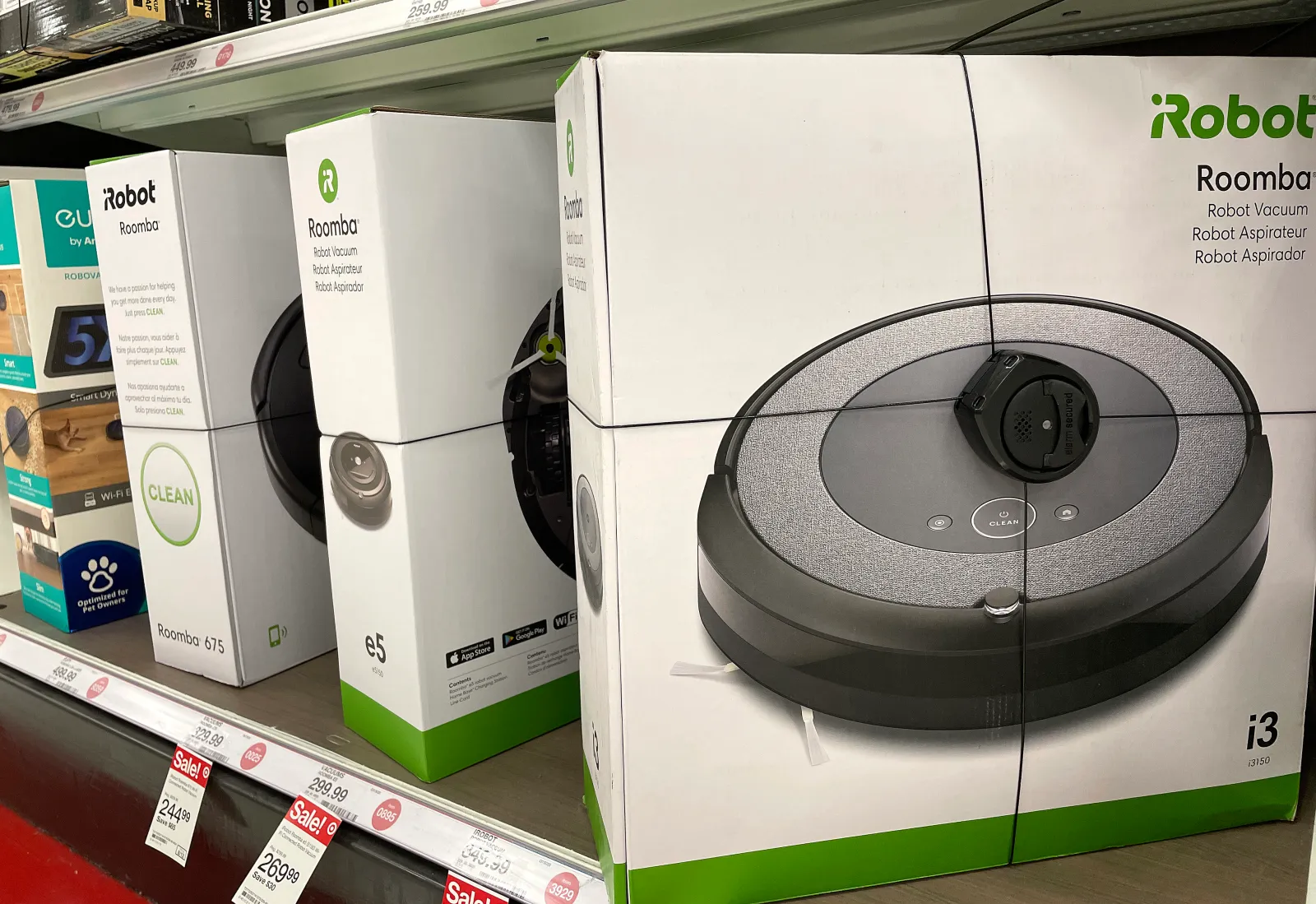
The American company behind the robot vacuum cleaner Roomba has filed for bankruptcy after 35 years in business.
On Sunday, iRobot Corporation said it was seeking Chapter 11 protections as it continues to battle increased competition in the vacuum space as well as new U.S. tariffs, according to a press release from the company and filings with the Bankruptcy Court for the District of Delaware.
“Like many global technology manufacturers, iRobot has faced significant macroeconomic headwinds, including heightened competitive pressures, evolving U.S. trade policies, and tariffs—all of which have had an adverse impact on its business and financial condition,” a spokesperson for iRobot told Newsweek.
Read More on News
Why It Matters
The company is currently valued at around $140 million—after approaching the $4 billion mark in 2021 thanks to a pandemic-driven surge in demand, per the BBC—making it one of the largest companies among many this year that have pointed to trade policies as a factor in the need to seek bankruptcy protection. In June, automotive supplier Marelli Holdings blamed tariffs while filing for bankruptcy, followed days later by furniture retailer At Home Group and jewelry company Claire’s in August.
What To Know
The company reported $480.3 million in both assets and liabilities, and said it would be wholly acquired by its primary manufacturer and lender, Shenzhen-based Picea Robotics, under the restructuring agreement.
The spokesperson said that Picea Robotics was already "deeply integrated into our operations and have a strong understanding of the company’s technology, customers and values."
In court filings, iRobot cited several reasons behind its decision to seek Chapter 11 protections, including the loss of “significant market share” to rivals in the robotic vacuum sphere.
...
“In addition, the company’s performance has been impacted by, among other things, lower orders from retailers and distributors due in part to a decline in consumer sentiment and resultant spending, market headwinds, and expansive tariffs placed on countries where the robot products have been historically manufactured and produced,” one filing read.
The company added that cost-saving measures to remedy the situation and avoid bankruptcy proved unsuccessful, as did a potential sale to an unnamed purchaser, which fell through in October.
It cited the 46 percent tariffs placed on Vietnam earlier this year—where most of iRobot’s U.S.-bound products are manufactured—as particularly detrimental to its business operations. While Vietnam’s rate was eventually lowered to 20 percent, iRobot said new tariffs had increased its costs by $23 million in the current fiscal year.
“The current uncertainty regarding long-term tariff rates has undermined the debtors’ ability to forecast and plan its long-term operations,” it added.
A failed, $1.7 billion acquisition attempt by Amazon in 2022 was also listed as one of the key events leading to the filing. The e-commerce giant lowered its offer to $1.4 billion in 2023 and eventually pulled out in early 2024 following scrutiny from European and American antitrust regulators.
Back in March, the company issued a warning to investors in a press release about its ability to continue as a going concern within 12 months and said it had embarked on a strategic review of the business after a sharp decline in sales. Full-year revenue fell to $681.8 million from $890.6 million, as iRobot posted a widened net loss of $77.1 million in the fourth quarter.
In its most recent results, iRobot reported a 25 percent, year-over-year decline in revenue to $145.8 million, which CEO Gary Cohen attributed to “continuing market headwinds, ongoing production delays, and unforeseen shipping disruptions."
What People Are Saying
iRobot CEO Gary Cohen said in a statement: "Today's announcement marks a pivotal milestone in securing iRobot's long-term future. The transaction will strengthen our financial position and will help deliver continuity for our consumers, customers, and partners. Together, we will work to continue advancing the industry-leading Roomba robots and smart home technologies that have defined the iRobot brand for more than three decades."
A spokesperson for iRobot told Newsweek: “This is a strategic transaction to drive iRobot’s long-term growth. Picea’s partnership strengthens iRobot’s operational and financial foundation. iRobot is here to stay, and we expect no disruptions to operations.”
What Happens Next
“This agreement represents a critical step toward strengthening iRobot's financial foundation and positioning the Company for long-term growth and innovation,” iRobot said in a press release, adding that it expects to complete the Chapter 11 process by February.
The company said the move was not expected to disrupt its “app functionality, customer programs, global partners, supply chain relationships, or ongoing product support.”
"There will be no changes to any of our business operations, our products, our product software app or product warranties," a spokesperson told Newsweek. "It is business as usual."
View 0 Comments
Submit Correction
View Editorial & AI Guidelines