...

By Hugh Cameron
Reporter
0
Share
Newsweek is a Trust Project member
See more of our trusted coverage when you search.Prefer Newsweek on Googleto see more of our trusted coverage when you search.
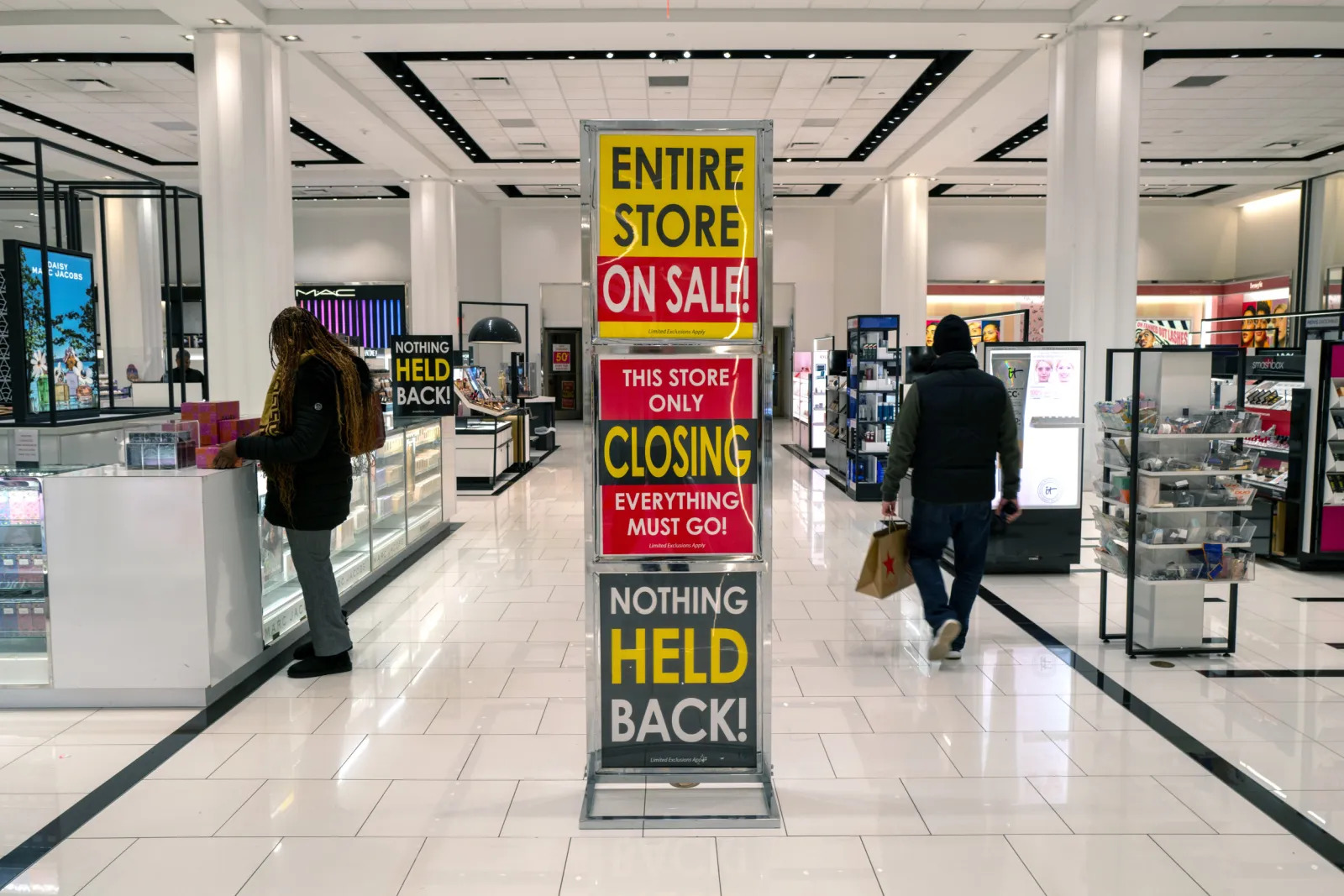
Job cuts in retail throughout the United States spiked in January, driven by an ongoing wave of store closures and broad struggles within the sector.
A report published last week by Chicago-based outplacement firm Challenger, Gray & Christmas (CGC) found that retailers cut 6,419 jobs in January, marking a year-on year increase of 20 percent but a 96 percent jump from the 3,283 layoffs announced in December.
Why It Matters
The figure reflects an ongoing downturn in the retail sector, which has struggled to adapt to a decline in foot traffic and a consumer exodus toward online shopping since the COVID-19 pandemic. The resulting challenges for American brick-and-mortar stores threaten not only further job losses, but also disruptions to urban and local communities, as well as having broader economic repercussions.
Read More on News
What To Know
The report said that the drastic December-January falloff was exacerbated by an increase in traffic during the holiday season.
Across all sectors including retail, CGC said that American employers announced 49,795 cuts in January. This was up 28 percent from the 38,792 announced one month prior but down 40 percent from last year, one of the highest Januarys on record since the postcrash layoffs in early 2009.
...
By sector, technology suffered the worst, with job cuts up 128 percent on-month to 7,488, followed by automotive (123 percent), services (106 percent), retail (96 percent), and media and news (27 percent).
CGC said that closures drove the highest number of layoffs last month, followed by restructuring efforts and broader market conditions.
Prominent retailers, including department store chain Kohl's, discount retailer Bargain Hunt, and furniture store Big Lots, have revealed plans for consolidations, closures, and even bankruptcy, driven by the declining outlook for the retail sector. Additionally, other major brands such as Walgreens, Macy's and Starbucks are set to reduce their number of physical locations throughout the year.
What People Are Saying
"Retailers are coming off a successful holiday season, though in-store traffic fell on main shopping days like Black Friday, according to reports," said Andrew Challenger, senior vice president of Challenger, Gray & Christmas, Inc. "The retail job has fundamentally changed, and with automation and online shopping, these positions require different skills than 10 years ago."
"Rising costs in the U.S. retail environment has pushed retailers to look for more efficient ways to operate their stores including streamlining tasks, optimizing the supply chain and inventory holdings and reducing store footprints," Shelley E. Kohan, senior retail executive and host of The Robin Report podcast, Retail Unwrapped, previously told Newsweek.
"Companies can mitigate the risk of store closures by using sound operational processes, developing deep customer loyalty, creating a great working environment, and driving marketing initiatives that resonate with the target market," Kohan added. "Opening stores in a measured and meaningful way in markets that can support the brand while layering in the digital component can help stores stay for the long term."
What Happens Next?
U.S. store closures are set to more than double in 2025, with an estimated 15,000 locations shutting for good over the course of the year.
Do you have a story we should be covering? Do you have any questions about this article? Contact LiveNews@newsweek.com.
View 0 Comments
Submit Correction
View Editorial & AI Guidelines