...

By Lucy Notarantonio
Senior Reporter
0
Share
Newsweek is a Trust Project member
See more of our trusted coverage when you search.Prefer Newsweek on Googleto see more of our trusted coverage when you search.
The reason a rescued bird refuses to leave her cage has broken hearts on TikTok, earning over 186,000 views.
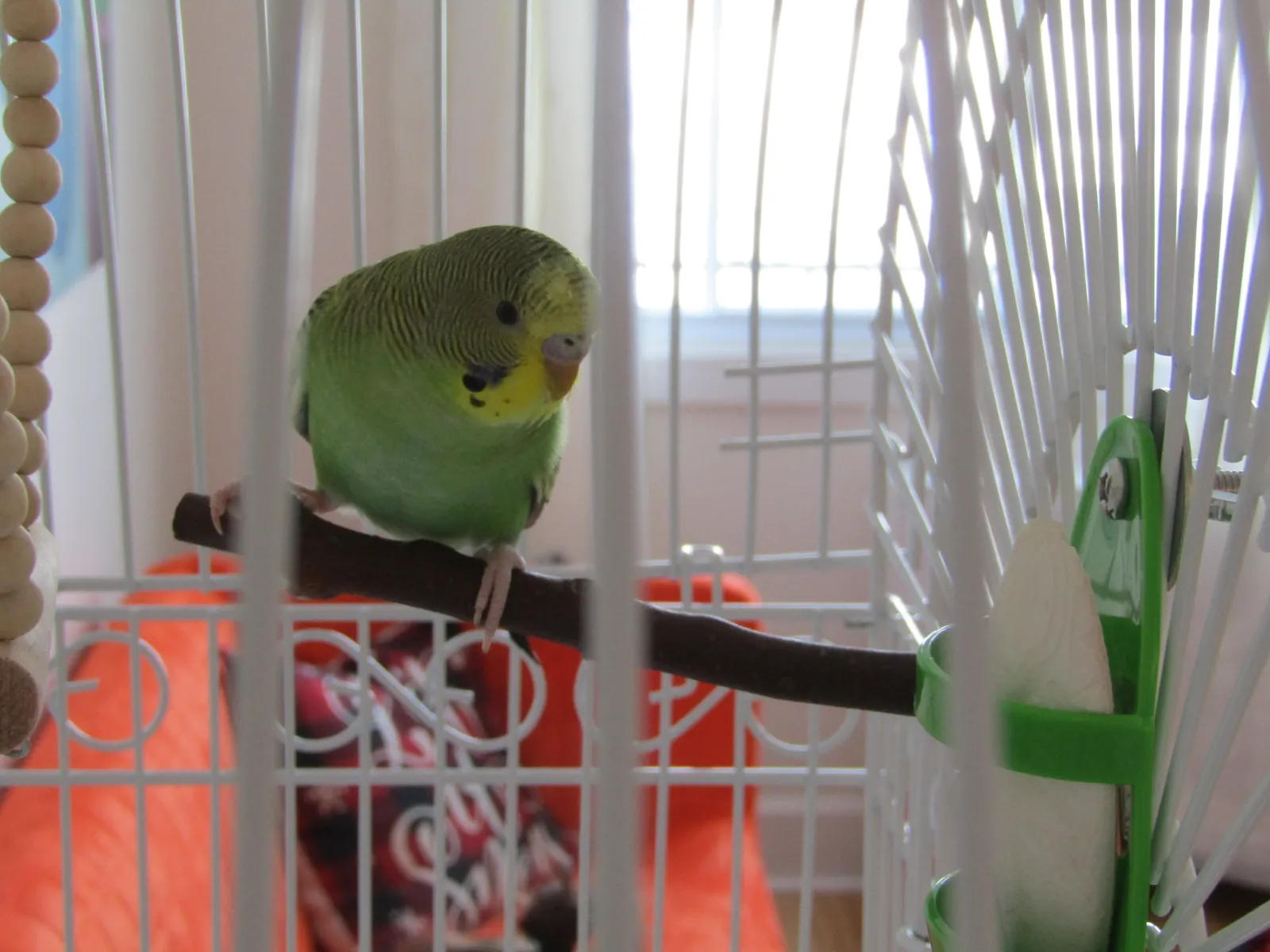
The clip shared by Cailin (@caitlin_and_friends) shows a yellow-collared macaw—a small, mostly green Central South American parrot—sitting in her enclosure. It is followed by another video of her failing to leave the cage, despite the door being open. Instead, the bird moves from branch to branch. The text layered over reads that she thinks she isn’t "able to come out of her cage [because] she was locked in one for 15 years."
...
Read More on Pets
"The ability to fly but being caged is a messed up concept only the human mind can come up with," posted one user.
Another wrote: "I feel sick thinking that this bird was captive in that small cage for all those years."
A third commented: "At least she gets a happy ending."
A Heartwarming Update
The following day, on September 1, Caitlin shared an update with her followers stating that the parrot named Jasmine came out once but was "mostly hiding," beneath the cage.
About two weeks later, she shared another video of Jasmine beginning to embrace her very own room that has forest wallpaper and is equipped with plenty of enrichment activities.
"For not being out of a cage her entire life, she's so curious and adventurous of her surroundings. Love it!" said one user on another video.
Why Parrots Can Struggle in Captivity
The American Veterinary Medical Association reports that dogs and cats are the most popular pets in the United States. In comparison, only about 1.6 percent of U.S. households—around 2.1 million—own birds.
Parrots may be kept as pets, but they are not domesticated animals such as cats or dogs.
Whether born in captivity or captured from the wild, parrots retain their natural instincts and behaviors—such as the need to fly, flock, and explore—that can clash with human expectations of companion animals, says the Avian Welfare Coalition (AWC), a nonprofit organization website.
Parrots' intelligence, curiosity, and capacity to bond make them appealing, but these same traits often lead to difficulties in a household environment. Many owners underestimate the level of care required, resulting in a growing number of displaced parrots when caregivers can no longer meet their needs.
Experts emphasize the importance of understanding parrots’ wild nature before taking one home.
Proper education and commitment are key to ensuring they receive appropriate care and reducing impulse purchases that fuel the displaced bird crisis.
Newsweek reached out to @caitlin_and_friends for comment via TikTok. We could not verify the details of the case.
View 0 Comments
Submit Correction
View Editorial & AI Guidelines