...

By Lucy Notarantonio
Senior Reporter
0
Share
Newsweek is a Trust Project member
See more of our trusted coverage when you search.Prefer Newsweek on Googleto see more of our trusted coverage when you search.
Simba was wary of going indoors after being rehomed for a second time, but six months later he’s thriving—leaving TikTok viewers proud as punch.
The chow chow mix was returned to Many Tears Animal Rescue in Wales, United Kingdom, after his first adopter broke his leg and could no longer care for him. Already nervous, Simba became even more unsure of people and his surroundings, so trust didn’t come quickly. When a new couple adopted him, he was hesitant to cross the threshold, often refusing to go inside their home.
His journey has been shared online to his own account @simbatotherescue earning almost 60,000 views, at the time of writing.
Read More on Pets
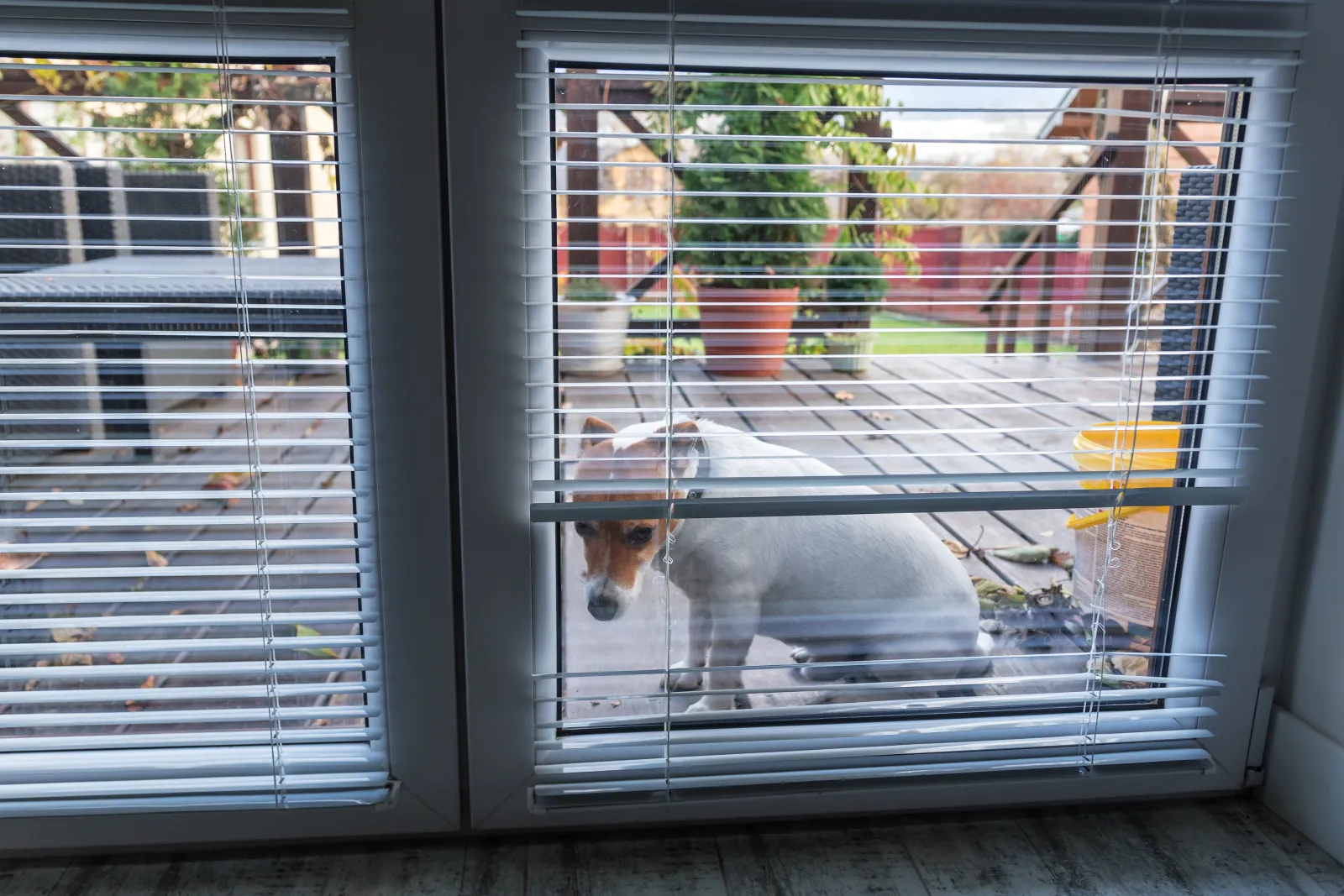
The footage shows clips of Simba refusing to enter his new home. He preferred staying outside, hovering near the door and keeping his distance. But the couple kept documenting his slow, gentle transformation, offering a rare window into what adjustment can look like for a dog who’s already experienced upheaval.
The clip shared on November 23 shows videos captured six months ago. Simba is seen in the backyard, standing at the door, then lying on a chair and the patio. For a long time, that boundary seemed fixed—until, as the text layered over the video says, “one day everything changed,”.
In the moment that follows, Simba can be seen stepping inside. The rest, as the video suggests, is history. Later clips show him fully embracing his forever home: jumping on his owners bed, having zoomies, relaxing on the sofa, and lying down wrapped up in a duvet. The on-screen text sums up his turnaround simply, stating he is “well and truly an indoor dog now,”.
Viewers flooded the comments with pride and relief. One wrote: "You mended his heart!"
Another added: "Never been prouder of a doggy [and] his humans."
The video also struck a chord with other adopters still in the thick of those early, uncertain weeks. One user shared their current experience, saying: “I’ve just adopted this boy. He’s so shy and is scared of everything. It breaks my heart to see him jump when we go near him. He doesn’t know how to play with toys or a ball it’s so sad.”
The owner responded with reassurance rooted in hard-won experience: “Time is the best healer. At the start we never thought Simba would voluntarily come near us or even come inside the house/enjoy his walks but he’s finally there! Lots of tears were shed at the start but it’s the most rewarding thing you’ll ever do as a dog lover.”
In another video showcasing the early days, Simba can be seen “always pacing,” and is described as “timid and nervous” with clips of him refusing to go inside during the day and night, hiding in the bushes, and appearing visibly stressed. But four months later, the couple say, he was a completely different dog.
Their timeline reflects a pattern familiar to trainers and rescue organizations: the 3-3-3 rule.
What Is the 3-3-3 Rule?
...
The guideline—often called the “Rule of Three”—describes the three adjustment phases many adopted dogs go through over time:
3 Days
During the first three days after arriving home, your dog may feel overwhelmed by their new environment. It’s normal to see signs of uncertainty or stress as they take everything in.
3 Weeks
By around three weeks, your dog will usually start to feel more comfortable and settled. They’ll begin to understand the household routine—when meals happen, when walks are likely, and when they can go out for potty breaks. As they relax, you may notice more of their true personality emerging, replacing the early mix of fear, excitement, and stress from those first days.
3 Months
After about three months, most dogs feel fully at home. By then, they’re typically confident in the routine, have formed a bond with you, and feel secure as part of the family.
For Simba, that arc wasn’t just theory—it played out in real life, one cautious step at a time. And for the people watching, his story was a reminder that progress in rescue dogs can be slow, uneven, and still completely life-changing.
As the couple’s updates make clear, patience doesn’t just help dogs adapt—it gives them a chance to believe they’re safe again.
Newsweek reached out to @simbatotherescue for comment via TikTok. We could not verify the details of the case.
View 0 Comments
Submit Correction
View Editorial & AI Guidelines