...

By Anna Commander
News Editor
0
Share
Newsweek is a Trust Project member
See more of our trusted coverage when you search.Prefer Newsweek on Googleto see more of our trusted coverage when you search.
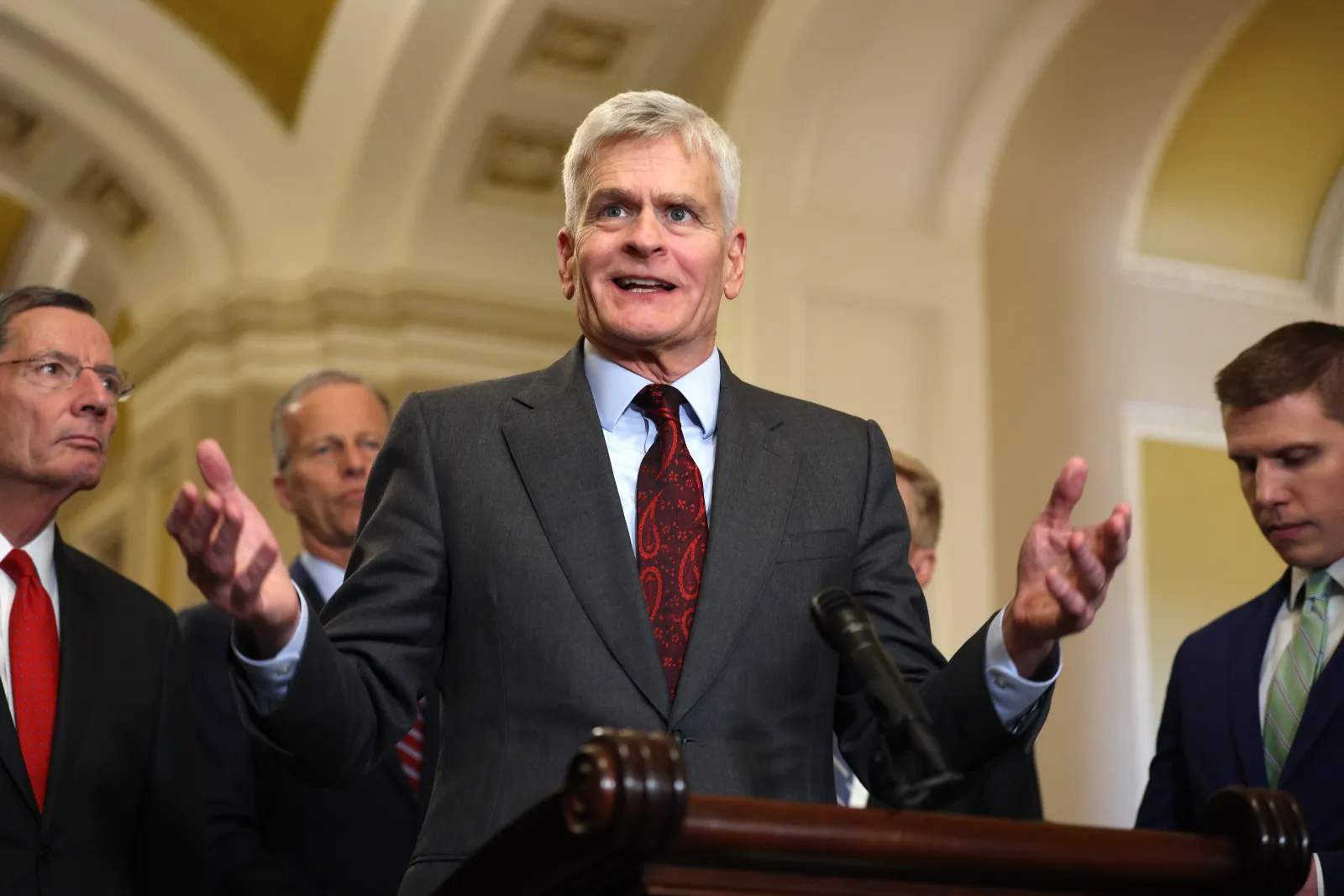
Physician and Republican Senator Bill Cassidy, a Louisiana Republican, ripped into the Trump administration on Thursday over disputes surrounding vaccines and autism.
Newsweek reached out to the U.S. Department of Health and Human Services (HHS) via online form for comment.
Why It Matters
The Centers for Disease Control and Prevention (CDC) recently updated its website language regarding vaccines and autism, prompting widespread concern among public health professionals and lawmakers.
Read More on News
The revision comes amid the United States facing outbreaks of vaccine-preventable diseases, like measles, and renewed debate over vaccine safety. With government messaging on vaccines under scrutiny, the change has potentially significant implications for public health and trust in science-based policy.
What To Know
According to the Associated Press, the CDC's “vaccine safety” webpage was updated Wednesday with “The claim 'vaccines do not cause autism' is not an evidence-based claim because studies have not ruled out the possibility that infant vaccines cause autism."
The website also says, "Studies supporting a link have been ignored by health authorities," and "HHS has launched a comprehensive assessment of the causes of autism, including investigations on plausible biologic mechanisms and potential causal links."
Taking to X on Thursday, Cassidy, 68, wrote, "I'm a doctor who has seen people die from vaccine-preventable diseases. What parents need to hear right now is vaccines for measles, polio, hepatitis B and other childhood diseases are safe and effective and will not cause autism. Any statement to the contrary is wrong, irresponsible, and actively makes Americans sicker."
The physician and Republican senior senator continued, "We need to understand the real causes of autism. Studies show there’s a genetic predisposition when a mom who’s pregnant is exposed to environmental toxins which can increase a child’s risk of autism. It’s deeply troubling that, according to HHS officials, they appeared to have canceled hundreds of millions in research on autism genetics. Redirecting attention to factors we definitely know DO NOT cause autism denies families the answers they deserve.
"We had two children die and many more hospitalized nationally from measles this year. Louisiana is experiencing its worst whooping cough outbreak in 35 years. Families are getting sick and people are dying from vaccine-preventable deaths, and that tragedy needs to stop," Cassidy concluded.
"The header 'Vaccines do not cause autism' has not been removed from the CDC's website due to an agreement with the chair of the U.S. Senate Health, Education, Labor, and Pensions Committee that it would remain on the CDC website," the agency says at the bottom of its webpage.
...
What People Are Saying
Leading medical, health and patient advocacy groups, including the American Pediatric Society, In a statement on Thursday: "Our organizations, representing autistic individuals, their families, medical professionals and public health workers, are alarmed that the Centers for Disease Control and Prevention is promoting the outdated, disproven idea that vaccines cause autism.
"Medical researchers across the globe have spent more than 25 years thoroughly studying this claim. All have come to the same conclusion: Vaccines are not linked to autism. This false rumor distracts from pressing, urgent issues in children’s health. Amplifying this claim and encouraging unnecessary investigations only worsens parents’ fears; it will not lead to better therapies, improved support for caregiving families, or changes in health care, education, and society in ways that would help children with autism thrive. Rather than devoting needed resources right now to support people with autism and their families in every community, our taxpayer-funded health agencies are using public resources to spread harmful rumors. Autistic people are valued members of society and, like all of us, deserve research that helps health care and other systems address genuine needs.
"Today, our organizations reject this latest attempt to create fear around routine childhood immunizations. Vaccines rank among our greatest medical success stories. Thanks to vaccines, serious diseases that once made thousands sick every year and caused life-long health issues have become rare. We cannot risk losing this progress. Together, we call on the CDC to return to its long history of promoting evidence-based information in the service of protecting the health and well-being of all Americans."
HHS Secretary Robert F. Kennedy Jr., in a September statement: "For too long, families have been left without answers or options as autism rates have soared. Today, we are taking bold action—opening the door to the first FDA-recognized treatment pathway, informing doctors and families about potential risks, and investing in groundbreaking research. We will follow the science, restore trust, and deliver hope to millions of American families.”
What Happens Next
The future of federal vaccine policy remains uncertain amid calls from public health leaders to restore long-standing scientific consensus to official communication.
Update 11/20/25, 8:30 p.m. ET: This article has been updated with additional information.
View 0 Comments
Submit Correction
View Editorial & AI Guidelines