
By Jaw-Yuan Wang, MD, PhD
0
Share
Newsweek is a Trust Project member
See more of our trusted coverage when you search.Prefer Newsweek on Googleto see more of our trusted coverage when you search.
For patients suffering from gastrointestinal cancer, short bowel syndrome or severe intestinal failure, nutrition is more than a health concern—it is a matter of survival. In these critical cases, Home Parenteral Nutrition (HPN) becomes a lifeline. Kaohsiung Medical University Chung-Ho Memorial Hospital (KMUH) is now at the forefront of transforming this complex medical therapy into a safe and accessible home-based service.
As a global expert in colorectal surgery and cancer molecular medicine, advancing the science of surgical oncology and reshaping the continuum of care for post-surgical cancer patients through pioneering work in HPN has been a priority. KMUH became the first hospital in the Asia-Pacific region to establish a dedicated Home Parenteral Nutrition Training Center, setting new standards in patient-centered chronic care and cross-disciplinary collaboration.

...
Read More on Community Forum
The Genesis of a Regional Model for HPN
Established in response to a growing number of post-operative and oncology patients requiring long-term nutritional support, the KMUH HPN program was designed with both clinical excellence and patient empowerment in mind. Recognizing the limitations of prolonged hospitalization, we envisioned a care model that would enable patients to receive intravenous nutrition safely at home without compromising medical supervision.
What began as a clinical necessity evolved into a comprehensive ecosystem involving gastroenterologists, surgeons, pharmacists, nutritionists, case managers and home care nurses. Each patient is carefully evaluated for clinical eligibility and then enrolled in a stepwise training process—starting in the hospital and continuing through monitored home implementation.
Patients and caregivers are educated on sterile techniques, central venous catheter care, pump operation, emergency handling and and dietary monitoring. Through remote monitoring systems, KMUH health professional personalls track daily infusion records and intervene immediately if complications arise.
Our model’s success lies in its dual focus: clinical safety and patient independence. By reducing hospital stays, preventing catheter-related infections and empowering patients to manage their own therapy, this program significantly improves both quality of life and cost-efficiency.
...
Award-Winning Multidisciplinary Excellence
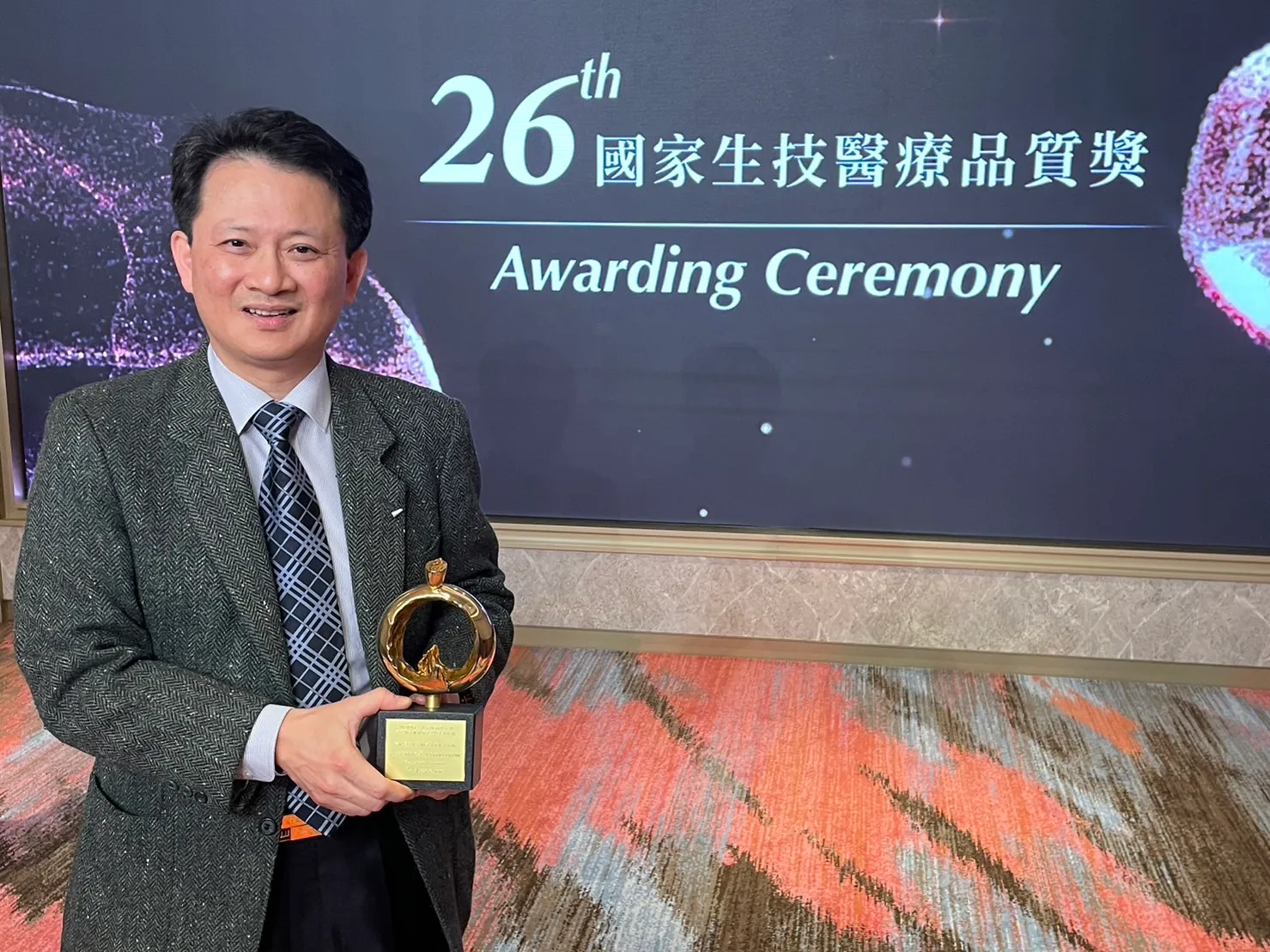
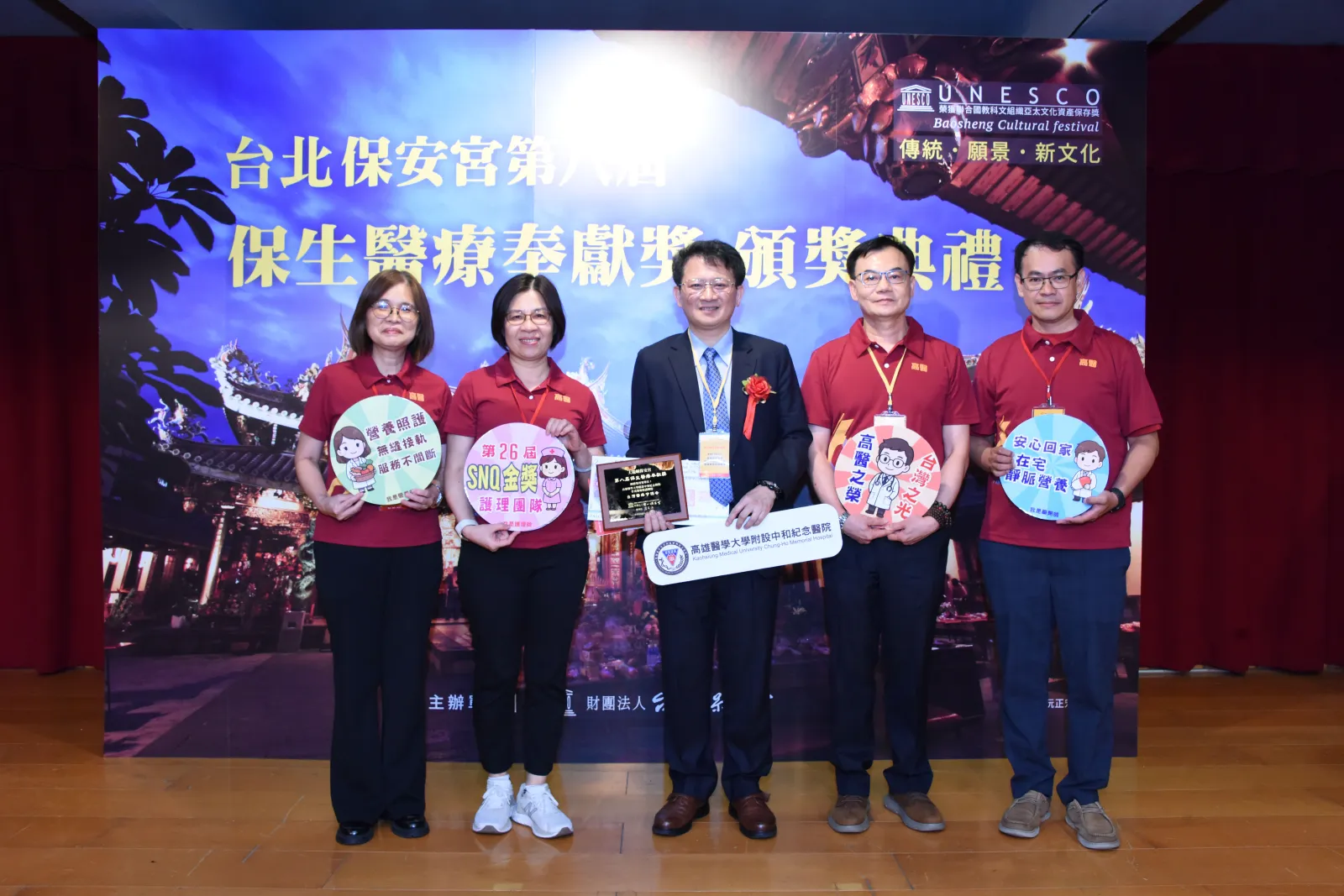
In 2023, our “Integrated Home Parenteral Nutrition Care Team” received the prestigious Gold Medal from Taiwan’s Symbol of National Quality (SNQ)—the highest national recognition for medical care programs. This was followed by the 2025 Baosheng Medical Dedication Award, making KMUH the only institution in Taiwan to be honored in the group category for exemplary medical service delivery.
These accolades reflect more than clinical results; they affirm a philosophy of care that puts patients and families at the center together. In our HPN program, compassion and competence intersect. Regular family support meetings, patient peer sharing events and personalized dietary consultation help reduce psychological stress and build a sense of community among long-term users.
Furthermore, we have standardized protocols that are now shared with regional hospitals across Southeast Asia. Teams from countries such as Vietnam, Malaysia and Thailand have visited KMUH for immersive HPN training. This international knowledge transfer has elevated our facility to a regional reference center for advanced nutritional therapy, extending its impact far beyond Taiwan.
Digital Tools and AI Integration
We have also incorporated digital innovations into our HPN model. The use of AI-assisted monitoring platforms helps predict complications such as catheter blockages or early signs of infection. Patients log daily infusion metrics into a mobile app that alerts case managers to deviations in flow rate, color or body temperature—triggering early interventions.
These digital tools not only improve patient safety but also reduce the burden on hospital emergency departments, especially during weekends or holidays. AI-generated risk stratification allows case managers to tailor their follow-up intensity, improving the efficiency of care coordination.
...
Closing the Loop: From Hospital to Home to Research
Our facility is also advancing data-driven research on home nutrition. By tracking long-term outcomes such as infection rates, liver function and nutritional markers, the KMUH team is generating real-world evidence that may change international HPN guidelines.
One of the most promising directions is the use of biomarker monitoring and metabolomics to fine-tune nutrient composition in parenteral formulations. We have partnered with professional laboratories to analyze metabolic responses to HPN in cancer patients, aiming to improve longevity and reduce side effects such as hepatic dysfunction.
Ethics, Equity and Global Responsibility
While technology and science play a major role, I believe that the soul of HPN lies in equity. KMUH ensures that all eligible patients—including low-income and rural residents—have the same access to the program. Through partnerships with Taiwan’s National Health Insurance and social service organizations, the hospital subsidizes all costs and provides mobile outreach for patients who face access barriers.
This home nutrition care model has also been adapted for international humanitarian projects. In a recent collaboration with Taiwan’s International Cooperation and Development Fund, KMUH is helping health authorities in Somaliland build capacity for nutritional support in maternal and neonatal care.
A Vision for the Future
Looking ahead, I envision integrating precision nutrition, AI algorithms and wearable biosensors into the next phase of HPN. These technologies will allow real-time nutrient adjustment based on individual metabolism and activity levels, marking a new era of adaptive, personalized home care.
In a health care system that increasingly prioritizes value-based care, our HPN program is a model of how interdisciplinary innovation, leadership and compassion can deliver exceptional outcomes—right in the comfort of home.
Jaw-Yuan Wang, MD, PhD, is a member of the Newsweek CEO Circle, an invite-only executive community of subscribers.
View 0 Comments
Submit Correction
View Editorial & AI Guidelines