...

By Amanda Greenwood
Associate News Editor
0
Share
Newsweek is a Trust Project member
See more of our trusted coverage when you search.Prefer Newsweek on Googleto see more of our trusted coverage when you search.
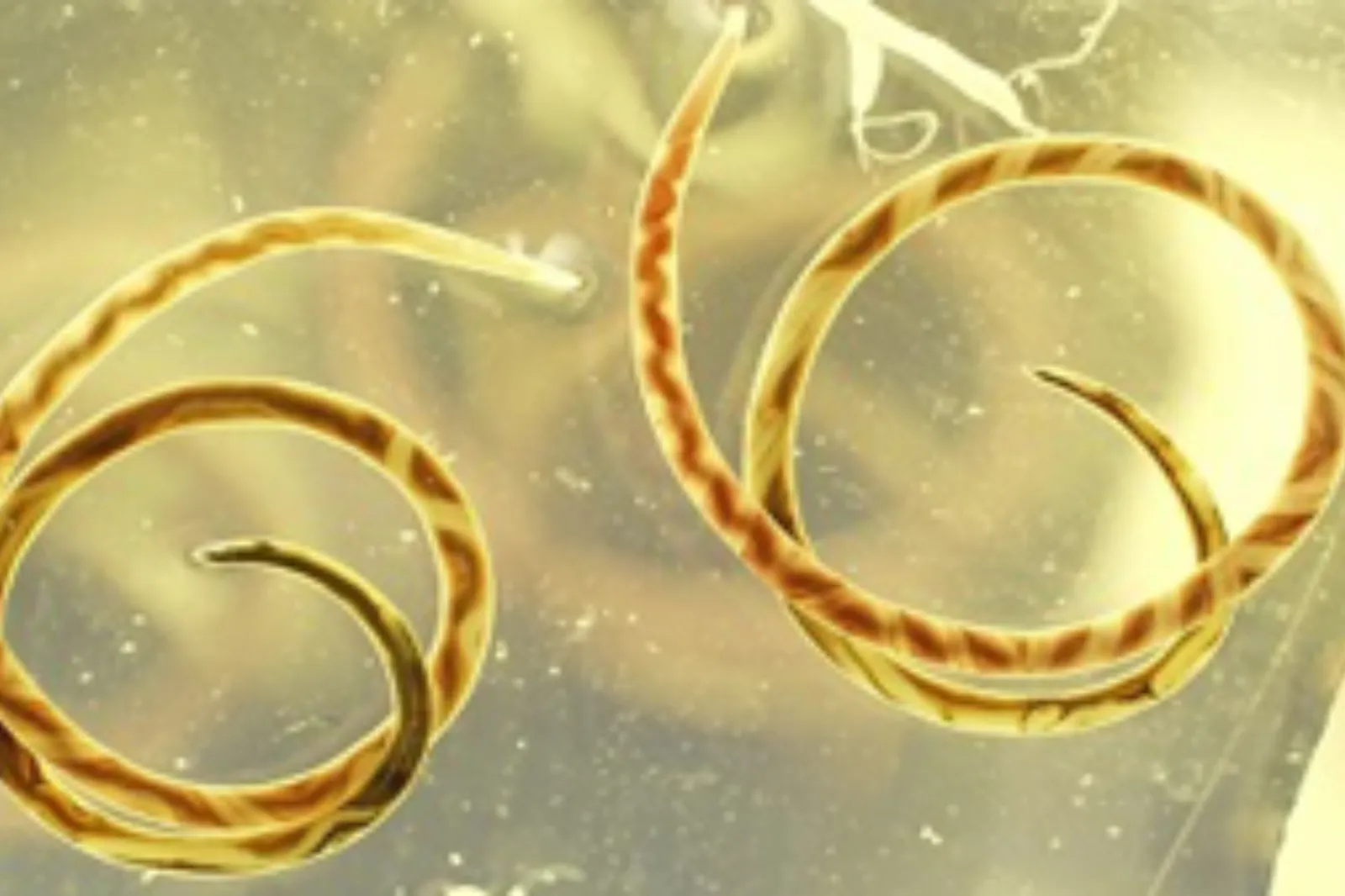
Angiostrongylus cantonensis—commonly known as rat lungworm—a parasite that can cause a form of meningitis in people, was detected in wild opossums and rats, as well as in a zoo‑housed animal, at the San Diego Zoo in San Diego County, California, according to research published in the Centers for Disease Control and Prevention’s Emerging Infectious Diseases journal.
Why It Matters
Rat lungworm can lead to a rare type of eosinophilic meningitis in humans. Most infected people can recover without treatment, but it can produce symptoms such as severe headache, stiff neck, tingling sensations, nausea and vomiting. While the CDC says that the overall risk to the general public is low, the infection can be serious and, in rare cases, fatal.
Read More on News
...
What To Know
Researchers reported the San Diego detections of rat lungworm after a 7-year-old “zoo-housed” male parma wallaby at the San Diego Zoo developed neurological symptoms in December 2024 and was later found to have rat lungworms in its brain, according to research published by the CDC.
Subsequent testing of 64 free-ranging roof rats at the zoo found the parasite in a small percentage of animals, and a wildlife rehabilitation center reported seven of 10 tested Virginia opossums from around the county were positive, indicating local establishment.
The CDC describes rat lungworm as a parasite found in rats, whose larvae are shed in rat feces and then taken up by snails and slugs. People can become infected by eating raw or undercooked snails or slugs, or by consuming unwashed produce contaminated with small snails, slugs, or parts of them.
The parasite has expanded its range in the United States over decades, with a documented presence in Hawaii and detections in mollusks and rodents in parts of the Southeast, including Florida and Georgia, according to the CDC’s Emerging Infectious Diseases report.
Health guidance from Hawaii-based clinicians and researchers emphasized early diagnosis and treatment, including corticosteroids for inflammation, symptomatic relief via lumbar punctures, and antiparasitic drugs in combination with steroids.
What People Are Saying
Vernon Ansdell, an associate professor at the University of Hawaii, said: “There’s increasing evidence that early treatment with corticosteroids and anthelmintics is safe and effective. The hope is that early combination therapy may limit the severity of disease and complications such as long-term disability.”
Elizabeth Manzo, a spokeswoman for the California Department of Public Health, said in a statement to the Los Angeles Times that: “Additional surveillance and testing will be necessary to determine whether the detections of rat lungworm in the animals evaluated in San Diego County represent an isolated introduction of the parasite or ongoing local transmission.”
Manzo added: “Because some species of snails and slugs present in California are capable of serving as hosts for rat lungworm, and the presence of the parasite in other parts of the state is unknown, it is advised to take certain food safety precautions. Persons should not consume any raw or undercooked wild snails or slugs, and should thoroughly wash all produce before consuming.”
What Happens Next
According to reporting from the Los Angeles Times on March 6, California public health officials said they were not ready to declare the parasite endemic statewide and would monitor for detections beyond San Diego County and for any human cases.
View 0 Comments
Submit Correction
View Editorial & AI Guidelines