...

By Amira El-Fekki
Middle East News Reporter
0
Share
Newsweek is a Trust Project member
See more of our trusted coverage when you search.Prefer Newsweek on Googleto see more of our trusted coverage when you search.
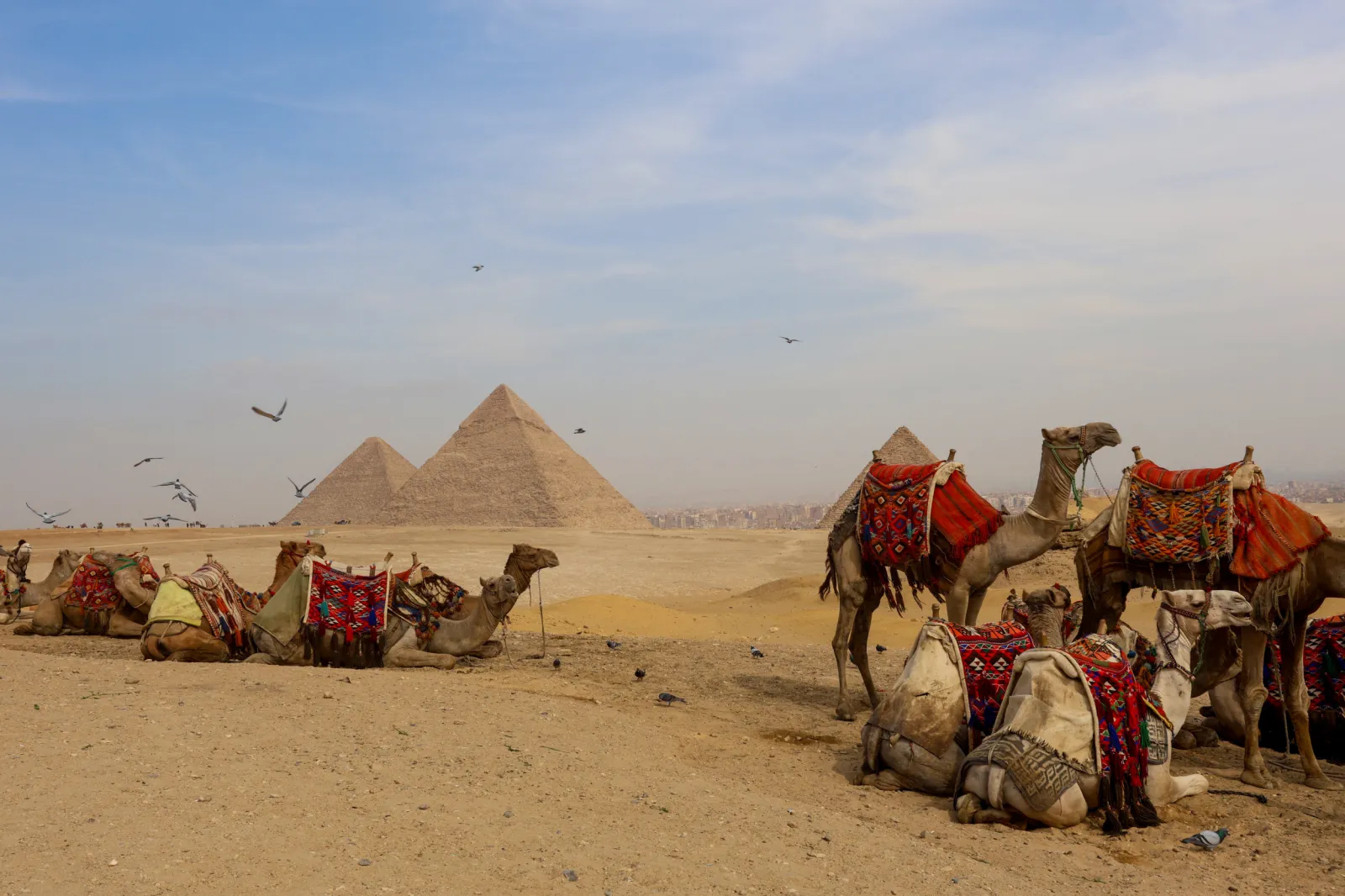
Egyptian camel and horse owners are leading a backlash against efforts to clean up the site of the famed Giza Pyramids, protesting against plans to push the animals and their handlers further from the entrance.
The Ministry of Tourism said it was working to resolve the issues.
Why It Matters
For decades, the Giza Pyramids have been plagued by mismanagement, aggressive touts, and inconsistent oversight—problems that have tarnished Egypt's global image and frustrated millions of visitors.
Read More on World
Now, the government's cleanup plan faces the challenge of improving the tourist experience while also protecting the livelihoods of those who've long depended on getting money out of the tourists.
...
What To Know
Videos on social media show dozens of camel owners blocking shuttle buses at a newly revamped access point to the Giza Plateau—home to the Great Pyramids, the Sphinx, and other ancient landmarks—during a government test run.
Many tour guides criticized the trial phase, posting footage of overcrowded areas and what they called "chaotic" bus operations. Critics, including parliamentarians, said such images harm Egypt's tourism reputation.
Tourism Minister Sherif Fathy said authorities are addressing feedback from guides and workers "to resolve issues going forward," during a cabinet meeting Sunday. He added that the redevelopment was planned with respect for the site's cultural and historical significance.
What Are The Pyramids?
The Giza Pyramids, close to Cairo, are the most famous of the more than 100 pyramids discovered in Egypt.
The three pyramids are named for the kings they were built for: Khufu, Khafre, and Menkaure. They were built some 4,500 years ago as massive tombs. The tallest has a height of some 481 feet.
What Is The Plan for The Pyramids?
The project is led by Orascom Pyramids Entertainment (OPE) in coordination with local authorities to enhance the visitor experience after years of complaints about disorganization, harassment, and alleged extortion by some ride operators. Tourists are offered horse-drawn carriage rides, camel tours, and horseback excursions. Pricing is often unregulated and typically set at the discretion of each provider.
OPE blamed tensions on last-minute changes to the trial plan and resistance from animal handlers. It says they will be relocated to a designated area, according to local media reports.
Local workers fear the relocation will disrupt their livelihoods, while officials say the plan was misunderstood as a banishment.
Both the Egyptian government and Orascom have previously enacted policies to regulate informal economic activity, including relocating workers as part of broader urban development projects.
What People Are Saying
Head of Egypt's parliamentary tourism committee Nora Ali told Al-Hadath Al-Youm TV channel, in Arabic: "The videos we watched on social media have a very negative impact on the tourism experience. We checked the situation on the ground. We held a hearing session with all the concerned parties. We issued recommendations for Orascom to improve the experience."
Egyptian tour guide Nasser Elnoubi Mansour in Facebook video Sunday, translated from Arabic: "To the officials: we're not against development, but we are against the forced erasure of this place's identity."
What Happens Next
Further clashes between local workers and authorities could disrupt the project's launch, set for July. The government may be forced to either revise its relocation plans or increase enforcement to maintain control over the site.
View 0 Comments
Submit Correction
View Editorial & AI Guidelines