...

By Jasmine Laws
Reporter
0
Share
Newsweek is a Trust Project member
See more of our trusted coverage when you search.Prefer Newsweek on Googleto see more of our trusted coverage when you search.
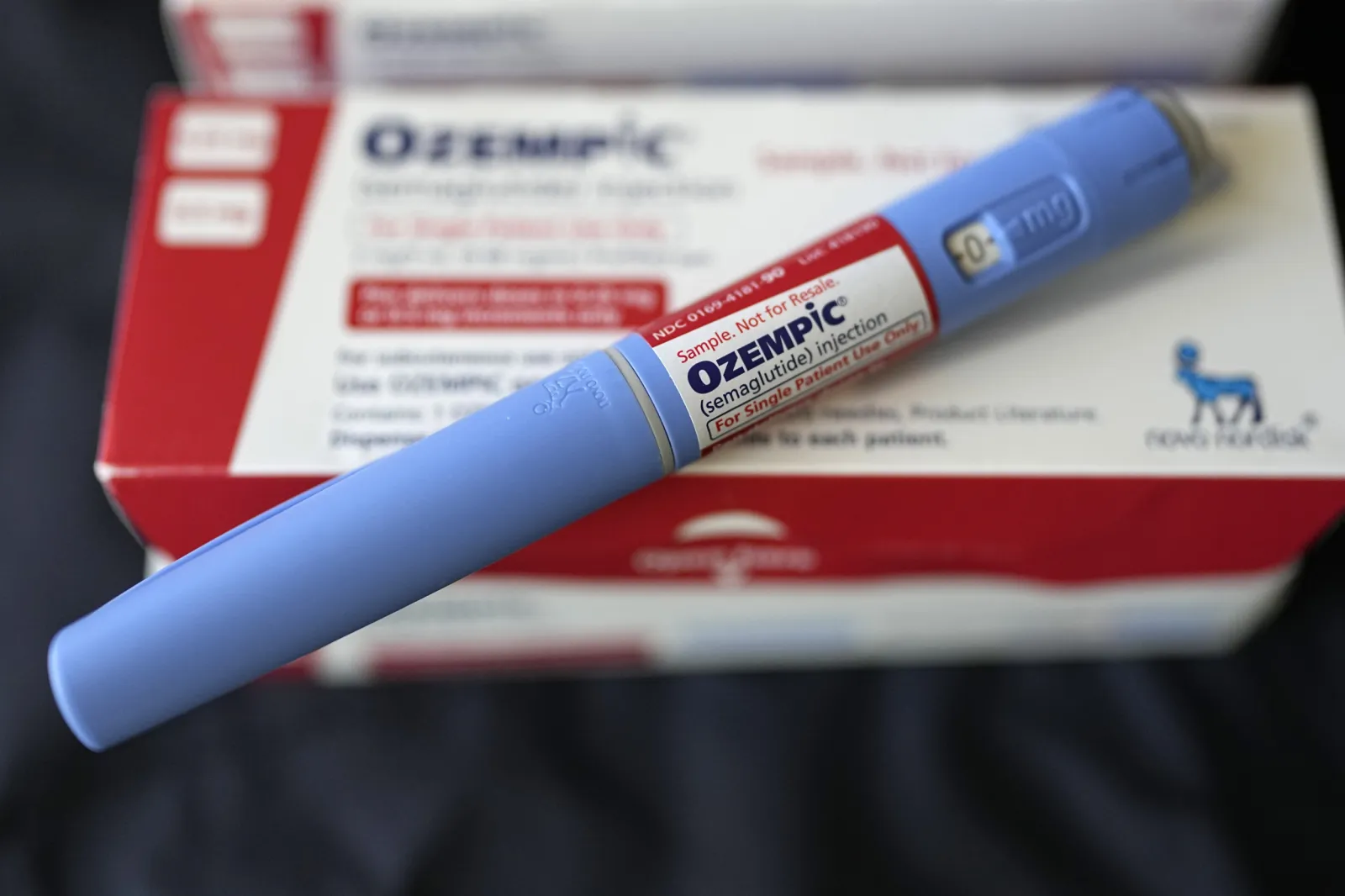
Low-income Pennsylvanians could lose access to weight-loss drugs like Ozempic and Wegovy under proposed Medicaid changes this year.
Pennsylvania Governor Josh Shapiro's office has said it is looking to change eligibility for weight loss drugs in the state as part of a search for savings in its 2025-26 budget plans.
"The current price of GLP-1 medications has contributed to increasing expenditures at a rate that is unsustainable," a spokesperson for the state's Department of Human Services (DHS) told Newsweek.
Read More
Women on Weight-Loss Drugs Warned of Surprise ‘Ozempic Babies’5 min read

Could Gen Z Kill Off the American Hamburger?6 min read

Woman Slammed for What She Said to Neighbor About Weight Loss4 min read

...
Why It Matters
GLP-1 medications are typically prescribed to individuals with Type 2 diabetes in order to manage blood sugar levels, but they have more recently been used to help with weight loss as they can suppress appetite. The drugs are based on the naturally occurring human hormone GLP-1, which contains semaglutide.
Obesity affects more than 100 million adults in the U.S., with over 22 million classified as severely obese, according to the Centers of Disease Control and Prevention (CDC).
What To Know
Shapiro's administration said in a draft of its 2025-26 budget that it wanted to reduce the "reliance on high-cost prescriptions that are ballooning the health care system."
"GLP-1s or Glucagon-like peptide-1 have become blockbuster medications for diabetes and obesity. This drug class is responsible for nearly $1 billion of Pennsylvania's Medical Assistance budget going into 2025-26," it said.
It added that budget sought to reduce its spending by "limiting the Medical Assistance coverage of GLP-1s for weight loss except when certain conditions are met."
Shapiro's administration said that from July 7 medical assistance will only cover GLP-1 drugs for weight loss alone if individuals are above a certain body mass index, or for patients who need to lose weight due to other illnesses such as heart failure and high blood pressure.
The DHS spokesperson also said that Pennsylvania would ensure that "beneficiaries at the highest risks for complications have access to GLP-1s, while lower risk individuals have access to non-GLP-1 care."
The DHS does not currently treat prescriptions of GLP-1s for weight loss differently from those for underlying conditions.
There are no changes to coverage for GLP-1s for individuals with diabetes or pre-diabetes, the spokesperson said.
The governor's proposal has been met with mixed responses, and a bipartisan group of state lawmakers have suggested that Pennsylvania's DHS could negotiate for lower drug prices without impacting Medicaid recipients' ability to access the drugs, according to the local news outlet WELA.
As of August 2024, Pennsylvania was one of 13 states that had added GLP-1s to Medicaid coverage for the treatment of obesity. The other states included: California, Delaware, Kansas, Massachusetts, Michigan, Minnesota, Mississippi, New Hampshire, North Carolina, Rhode Island, Virginia and Wisconsin.
A number of other states had coverage of GLP-1s, but not for the treatment of obesity.
What People Are Saying
Dr. Val Arkoosh, Secretary of the Pennsylvania Department of Human Services, said according to WELA: "We are evaluating changes to the current medical necessity guidelines for GLP-1s to ensure the medications are used appropriately by those who need it most, while considering cost effectiveness by limiting access based on body mass index or other health factors."
Colleen Tewksbury, a professor in nutrition science at the University of Pennsylvania, told Newsweek: "This change would limit access to this medication for some despite qualifying by prescribing requirements. These medications are some of the most effective and powerful tools we have in treating obesity. In most cases, the cost of the medication is relatively expensive, but the cost of the actual medication is not increasing. More people are taking the medication which is increasing the overall costs."
She added: "Because of the complexity and limitations on negotiating down drug costs, the simplest way to decrease costs is to decrease the number of people taking them. It is unclear whether this cost savings now will cost more in the long run in related health costs. But it has very real consequences for those on the medications who will no longer have coverage. When people stop the medication, just like with medications for blood sugar or blood pressure, we expect weight to increase along with all the weight-related measures. For people at higher weights, they also typically have access to other powerful treatments such as bariatric surgery. For people at lower weights who qualify for medications but not surgery, this will limit their options even further."
What Happens Next
Shapiro's administration has said it will bring in the changes to Pennsylvania's Medicaid on July 7.
Update, 06/16/2025, 12:31 p.m. ET: This article was updated with comment from the Pennsylvania DHS
View 0 Comments
Submit Correction
View Editorial & AI Guidelines