...

By Daniella Gray
Reporter
0
Share
Newsweek is a Trust Project member
See more of our trusted coverage when you search.Prefer Newsweek on Googleto see more of our trusted coverage when you search.
Parents may want to take a closer look at what their children are wearing after new research found unsafe levels of toxic lead in some items kids’ clothing—particularly those linked to fast fashion.
Preliminary findings from the study conducted by undergraduate researchers show that several children’s shirts sold by popular retailers contained lead levels exceeding U.S. federal safety limits.
Fast fashion has become a go-to option for families looking to keep up with rapidly growing children at a low cost, but according to the researchers, affordability may come with hidden health risks.
Read More on Health
...
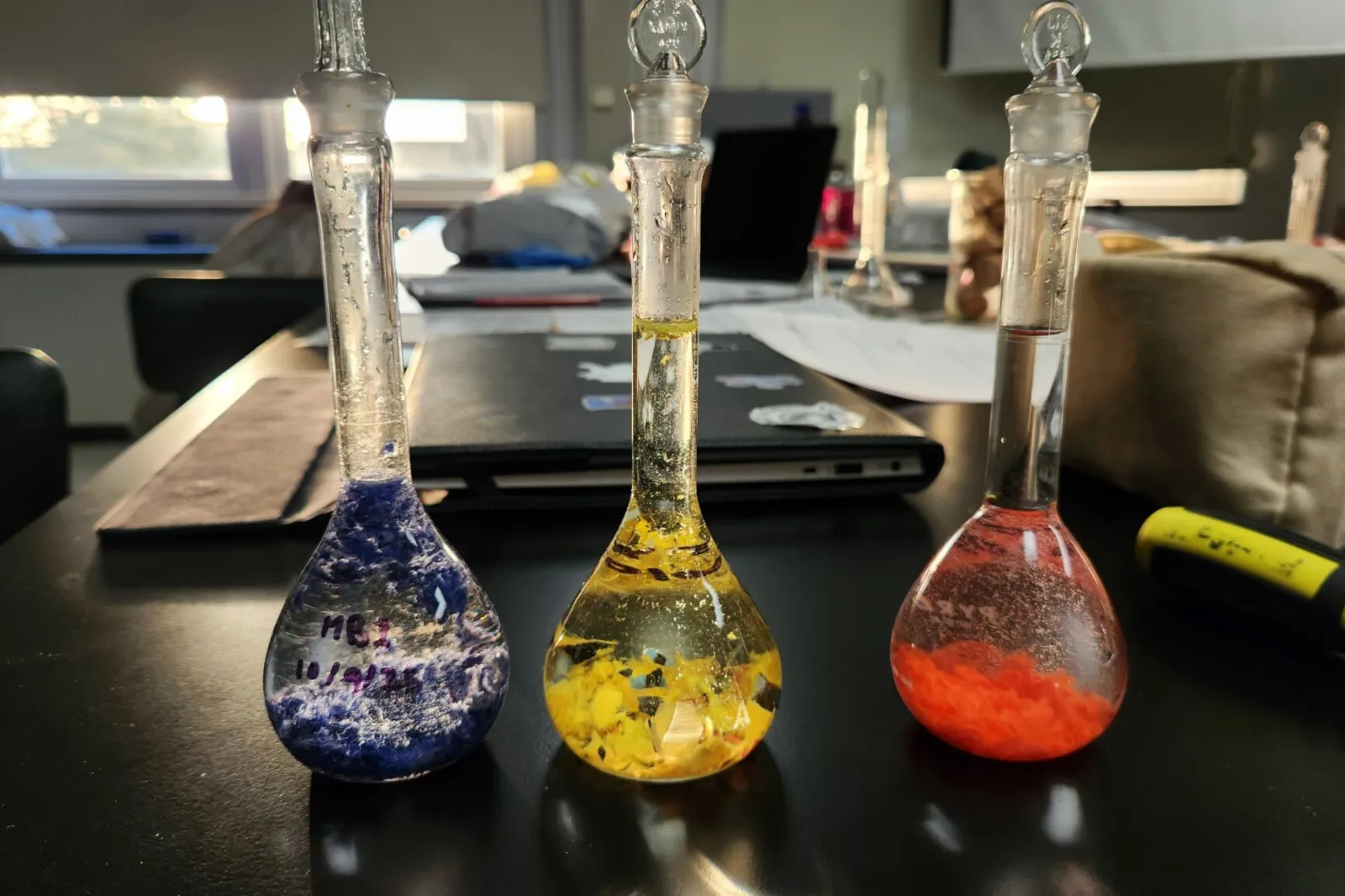
After testing 11 children’s shirts in a range of bright and muted colors—including red, yellow, pink, blue and gray—the team found that every item exceeded the U.S. Consumer Product Safety Commission’s limit of 100 parts per million (ppm) of lead for children’s products.
The project was led by Kamila Deavers, a chemistry professor at Marian University, whose interest in lead exposure began years ago when her own daughter briefly showed elevated blood lead levels due to toy coatings—before today’s stricter regulations were in place.
“I started to see many articles about lead in clothing from fast fashion,” Deavers said. “And I realized not too many parents knew about the issue.”
While past recalls have focused largely on metal components in children’s clothing—such as zippers, snaps and buttons—lead has also been detected directly in textiles.
Deavers said some manufacturers use lead(II) acetate as a low-cost chemical to help dyes bind to fabric, producing bright, long-lasting colors.
Certain shades—including red, blue, pink and even gray—showed higher levels in this dataset, Deavers said, though she cautioned that color alone is not a reliable indicator of risk.
"Textile manufacturing varies widely by batch, material composition, dye formulation, and processing conditions," Deavers told Newsweek. "It is difficult to draw a universal conclusion based solely on color, fabric and types. The variability observed suggests that lead presence is multifactorial, rather than driven by a single characteristic."
Undergraduate researchers Cristina Avello and Priscila Espinoza joined the study to better understand how fast fashion could affect children’s health.
“Not only are children the most vulnerable to the effects of lead, but they’re also the population that is going to be putting their clothes in their mouths,” Avello said.
Lead exposure is considered harmful at any level and has been linked to behavioral problems, damage to the brain and nervous system, and other long-term health effects. Children under six are particularly at risk, according to the U.S. Environmental Protection Agency.
In a second phase of the study, the researchers simulated stomach digestion to estimate how much lead could be absorbed if fabric were chewed or swallowed.
Their analysis suggests that even brief mouthing behavior could exceed the U.S. Food and Drug Administration’s daily lead intake limit for children. Over time, repeated exposure could raise blood lead levels high enough to warrant clinical monitoring.
Deavers said parents of young children who chew on clothing should try to minimize that behavior where possible and be aware that standard washing may not remove lead. “Most natural detergents are phosphate-free, which means they do not remove lead from clothing,” she said, adding that even specialized methods may only partially reduce exposure and carry a risk of cross‑contamination.
The researchers are calling for stronger screening of children’s apparel and regulations that consider how much lead is actually absorbed by the body—not just how much is present.
“When parents [and] consumers begin to ask questions and push for transparency, it creates meaningful pressure for industry change," Deavers added.
Do you have a health story to share with Newsweek? Do you have a question about lead exposure ? Let us know via health@newsweek.com.
Update 3/23/26, 7:44 a.m. ET: This article has been updated with additional comments from Kamila Deavers.
Reference
Espinoza, P., Avello, C., & Deavers, K. (2026). Lead contamination in fast fashion children’s clothing. ACS Spring 2026, Atlanta, Georgia. https://acs.digitellinc.com/live/36/session/579228
View 0 Comments
Submit Correction
View Editorial & AI Guidelines