...

By Daniella Gray
Reporter
0
Share
Newsweek is a Trust Project member
See more of our trusted coverage when you search.Prefer Newsweek on Googleto see more of our trusted coverage when you search.
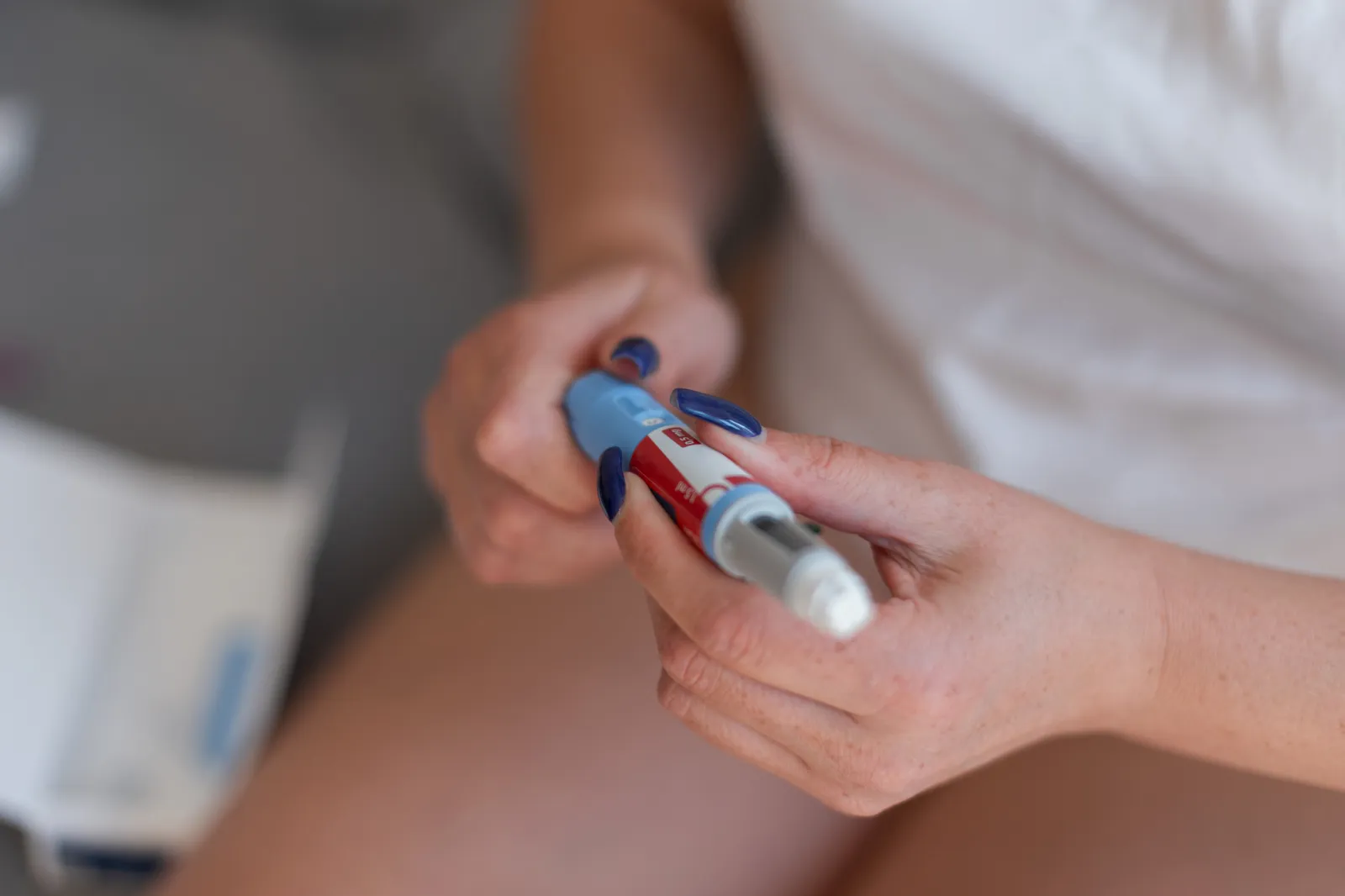
GLP-1 receptor agonists—the popular class of weight-loss drugs that include semaglutide (Ozempic)—may carry underrecognized risks for women of reproductive age, according to new research from Australia's Flinders University.
The study found that most women in Australia prescribed GLP-1 receptor agonists—medications originally developed for type 2 diabetes, but now widely used for weight loss—were not using effective contraception, despite potential risks to pregnancy and unborn babies.
"We're seeing widespread use of these medications among women of childbearing age, but very little evidence that contraception is being considered as part of routine care," said paper author and pharmacist professor Luke Grzeskowiak in a statement.
Read More on Family & Parenting
"These medications can be incredibly helpful, but they're not risk-free, especially during pregnancy."
...
In 2022 alone, more than 6,000 women in Australia began GLP-1 treatment—and over 90 percent of them did not have a diabetes diagnosis.
In their study, Grzeskowiak and colleagues analyzed data on more than 1.6 million Australian women aged 18 to 49 who visited general practices between 2011 and 2022.
Of the 18,010 women who began GLP-1 treatment during that period, only 21 percent reported using contraception, the team found.
The study also revealed that 2.2 percent of women became pregnant within six months of starting GLP-1 therapy, with pregnancy rates highest among younger women with diabetes and women without diabetes in their early thirties.
Women with polycystic ovary syndrome (PCOS) were twice as likely to conceive, suggesting that weight loss may boost fertility even when pregnancy is unintended.
Contraceptive use proved protective: women who reported using birth control at the time of prescription had a significantly lower risk of pregnancy.
Animal studies have raised further red flags. A review from the University of Amsterdam linked GLP-1 exposure during pregnancy to reduced fetal growth and skeletal abnormalities. While human data is limited, experts caution that the risks cannot be overlooked.
With Wegovy specifically, animal reproduction studies suggest potential risks to the fetus from semaglutide exposure.
Importantly, weight loss itself provides no benefits to pregnant patients and may cause fetal harm.
Current prescribing information advises discontinuing Wegovy immediately if pregnancy is recognized. Because of semaglutide's long washout period, treatment should also be stopped at least two months before a planned pregnancy.
Available clinical trial and pharmacovigilance data remain insufficient to establish whether semaglutide increases the risk of birth defects, miscarriage or other adverse outcomes, meaning treatment decisions should be made on a case-by-case basis with a licensed healthcare professional.
"Whilst the UK advises that women using GLP-1 receptor agonists should avoid pregnancy and use effective contraception, this advice is not being followed consistently in Australian clinical practice," said Grzeskowiak.
"We need to ensure that reproductive health is part of every conversation when these drugs are prescribed to any women of childbearing age."
Grzeskowiak added that clearer practice guidelines are urgently needed for prescribers. "Our advice is to speak to your GP about the risks and benefits of GLP-1 medicines before taking them, and only take those prescribed by a healthcare professional."
A spokesperson from Novo Nordisk told Newsweek: "There is limited data with semaglutide use in pregnant women to inform a drug-associated risk for adverse maternal and fetal outcomes.
"Pregnancy or intention to become pregnant were exclusion criteria in our trials with semaglutide in both obesity and type 2 diabetes. Therefore, there are limited clinical trial data with semaglutide use in pregnant women.
"However, information related to pregnancy appears in Section 8.1 & 8.3 of the Prescribing Information for both Ozempic and Wegovy. Semaglutide (Ozempic, Rybelsus, Wegovy) should be discontinued in women at least 2 months before a planned pregnancy due to the long washout period for semaglutide."
Additional research is underway. The Wegovy Pregnancy Registry—listed on clinicaltrials.gov—aims to monitor pregnancy outcomes in patients exposed to the drug, with the results to be disclosed once the study is complete.
The authors also noted that more research is required to understand the full impact of GLP-1 drugs on pregnancy and fetal development.
Do you have a tip on a health story that Newsweek should be covering? Do you have a question about GLP-1 agonists? Let us know via health@newsweek.com.
Update 09/10/25, 06:59 a.m. ET: This article was updated with additional information and a statement from a spokesperson at Novo Nordisk.
Reference
Thapaliya, K., Sweeting, A., Kirsten, B. I., Poprzeczny, A., Mazza, D., & Grzeskowiak, L. E. (2025). Incidence of GLP-1 receptor agonist use by women of reproductive age attending general practices in Australia, 2011–2022: A retrospective open cohort study. Medical Journal of Australia. https://doi.org/10.5694/mja2.70026
View 0 Comments
Submit Correction
View Editorial & AI Guidelines