...

By Suzanne Blake
Reporter
0
Share
Newsweek is a Trust Project member
See more of our trusted coverage when you search.Prefer Newsweek on Googleto see more of our trusted coverage when you search.
More than 300,000 Ohio residents could earn up to $3,000 after the state Supreme Court makes a decision on the state’s COVID-19 unemployment benefits.
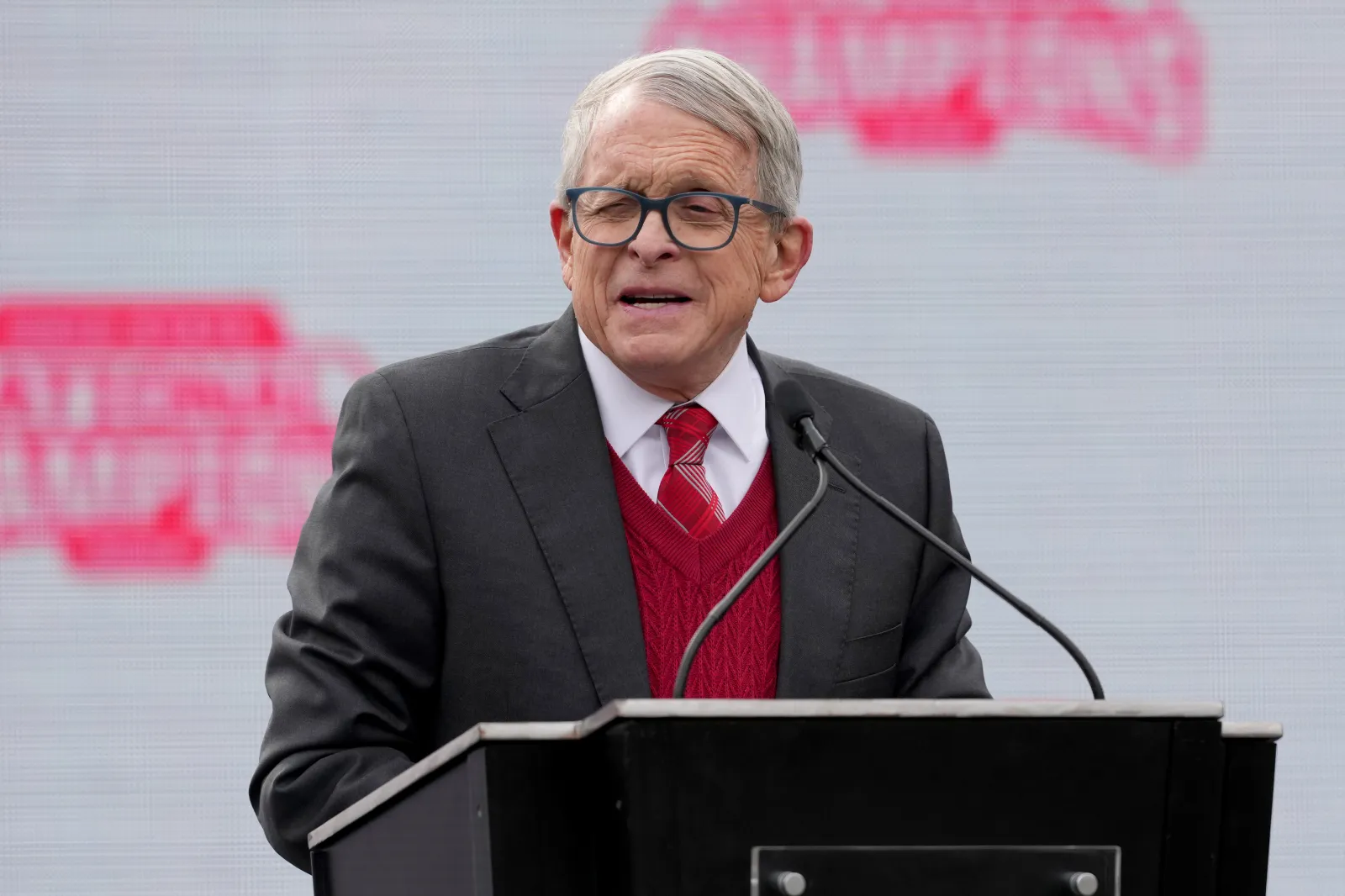
Governor Mike DeWine previously ended the unemployment program early, causing Ohioans to not receive an additional $900 million in federal payments.
Why It Matters
The federal government approved eligible workers' unemployment benefits to be sent out by each state respectively.
Read More on News
While lower courts have ruled that DeWine broke state law by stopping the benefits early, a state Supreme Court reinforcement of these decisions could see thousands of dollars back in residents’ hands.
...
What To Know
An extra $900 million in federal COVID-19 unemployment benefits will be sent to qualifying Ohio residents if the state agrees with the lower court decisions.
DeWine stopped the payments early, but a Franklin County judge ordered the funds sent out in February, and another Tenth District Court of Appeals upheld that decision in June.
“Ohioans are seeking restitution after the state’s expanded unemployment benefits program was cut short by Governor DeWine,” Kevin Thompson, the CEO of 9i Capital Group and the host of the 9innings podcast, told Newsweek. “The case reached the state’s Supreme Court after lower courts ruled that the governor may have violated state law by refusing to distribute federal funds designated for those benefits.”
The governor initially ended the program 10 weeks before it was slated to stop due to concerns that the extra benefits were contributing to labor shortages. More than 300,000 state residents were originally scheduled to get benefits through September 2021.
According to plaintiffs, the law mandates that the governor had to distribute the federal benefits when available, no matter any other possible labor considerations.
“This isn't really about whether the money helped or hurt the economy back then,” Michael Ryan, a finance expert and the founder of MichaelRyanMoney.com, told Newsweek. “It's about whether a promise made is a promise kept. Governor DeWine argued the extra $300 weekly discouraged work and tightened labor markets. That's a policy call. But Ohio law from the 1930s doesn't give governors wiggle room on that. It mandates accepting federal unemployment dollars.”
What People Are Saying
Kevin Thompson, the CEO of 9i Capital Group and the host of the 9innings podcast, told Newsweek: “These benefits would have helped Ohioans keep up with rent and other essential expenses during the COVID-19 shutdowns. While it’s possible to get these payments, unspent Covid-19 dollars were required to be sent back to the federal government, so getting those funds back may be another hurdle. Furthermore, many who needed the aid back then have already faced evictions or defaults that can’t be undone.”
Alex Beene, a financial literacy instructor for the University of Tennessee at Martin, told Newsweek: “For more than 300,000 Ohio residents, this case is an important one. During the pandemic era, an additional $300 a week was allocated to those receiving unemployment benefits, but the state's Governor's decision to end those extra payments early due to labor shortages has been a huge point of controversy in the years since.”
Michael Ryan, a finance expert and the founder of MichaelRyanMoney.com, told Newsweek: “From a household finance perspective, this case matters less for the retroactive windfall and more for what it says about emergency safety nets. When unemployment benefits get caught in political and legal limbo for years, families learn the hard lesson: You can't count on the safety net being there when you fall.”
What Happens Next
The state Supreme Court voted to hear the case as a near-unanimous decision.
“While many will see this as a case of whether or not money is owed, it's more on did the governor break the law by halting payments early,” Beene said. “The decision could have long-term effects in future situations where state resources are allocated for specific needs during periods like the pandemic.”
View 0 Comments
Submit Correction
View Editorial & AI Guidelines