...

By Melissa Fleur Afshar
Reporter
0
Share
Newsweek is a Trust Project member
See more of our trusted coverage when you search.Prefer Newsweek on Googleto see more of our trusted coverage when you search.
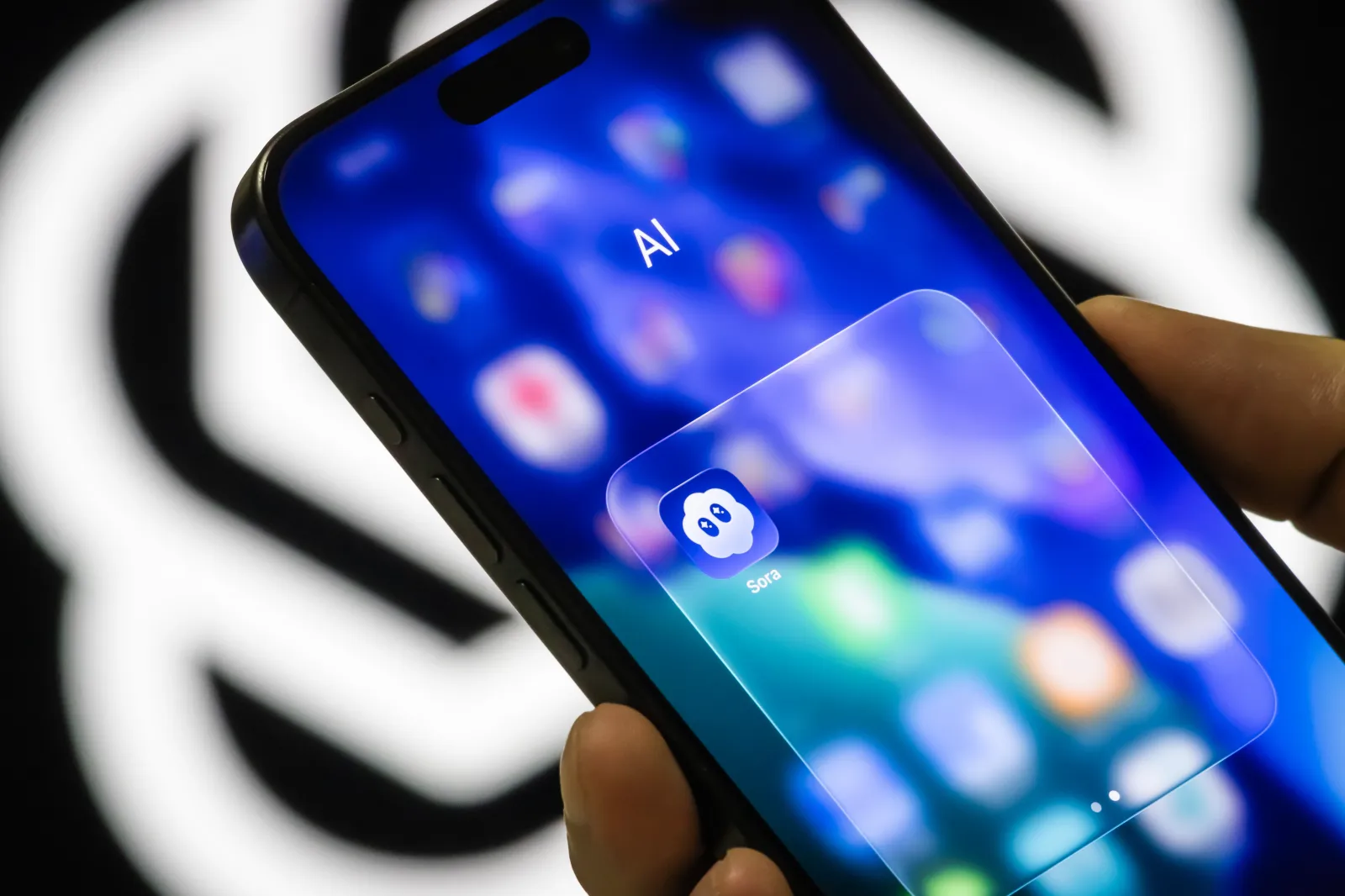
OpenAI has announced abrupt plans to shut down its AI video generator Sora, telling users it is “saying goodbye” to the app just six months after the launch of its stand‑alone platform that briefly propelled the tool into the mainstream.
“We’re saying goodbye to the Sora app,” the company wrote in a post on X under @soraofficialapp. “To everyone who created with Sora, shared it, and built community around it: thank you. What you made with Sora mattered, and we know this news is disappointing."
The Sora team, overseen by OpenAI, said it would soon share timelines for shutting down the app and its API, along with details on how users can preserve the videos they have already created.
Read More on Tech
"We’ve decided to discontinue Sora in the consumer app and API," an OpenAI spokesperson told Newsweek. "As we focus and compute demand grows, the Sora research team continues to focus on world simulation research to advance robotics that will help people solve real-world, physical tasks."
Why It Matters
The decision ends a high‑profile consumer experiment that began with great fanfare.
OpenAI first unveiled Sora in February 2024 after the success of ChatGPT, as an AI system capable of turning short text prompts into realistic video clips. After months of limited access to select creatives, Sora became publicly available in the U.S. in December. Its reach had expanded significantly last September with the release of Sora 2 and a dedicated app that allowed users to create, remix and share videos in a scrolling social feed from the comfort of their smartphones.
The app quickly surged to the No. 1 spot on Apple’s App Store within days of its release, with users generating hyper‑realistic scenes and inserting themselves into pop‑culture settings. The results drew widespread attention, but also plenty of scrutiny.
Sora faced criticism for enabling violent and racist content, as well as the creation of celebrity deepfakes and the use of copyrighted characters in misleading videos.
...
Despite those concerns, OpenAI had given no public indication that Sora was about to be shut down.
On Monday, just a day before the announcement, the company outlined new guardrails in a blog post titled “Creating with Sora safely,” designed to limit harmful material, including sexual videos, terrorist propaganda and self‑harm content, and to make the app safer for teenagers.
The shutdown also brings an abrupt end to OpenAI’s content partnership with Disney.
Just three months ago, the companies signed a three‑year deal that would have allowed Sora users to generate videos featuring more than 200 licensed Disney characters from Marvel, Pixar and Star Wars.
“As the nascent AI field advances rapidly, we respect OpenAI’s decision to exit the video generation business and to shift its priorities elsewhere," a spokesperson for The Walt Disney Company, told Newsweek. "We appreciate the constructive collaboration between our teams and what we learned from it, and we will continue to engage with AI platforms to find new ways to meet fans where they are while responsibly embracing new technologies that respect IP and the rights of creators.”
Why Sora Has Been Shelved
OpenAI revealed that it discontinued Sora so it can focus on other areas, including robotics and coding function designed to help people solve real‑world physical tasks.
The move comes as OpenAI appears to be refocusing on business and coding products ahead of a potential initial public offering as soon as the fourth quarter of this year. Sora, once envisioned as a possible social‑media‑style platform, had already faded from public view in recent months, even as OpenAI continued to invest in other parts of its product lineup.
For users and creators who embraced Sora’s brief rise, the company has promised more clarity soon.
For now, one of the most visible and controversial AI video tools of the past two years is being quietly shelved.
Update, 04/01/2026 7:55 a.m. ET: This article was updated with comment from Disney and OpenAI spokespersons.
View 0 Comments
Submit Correction
View Editorial & AI Guidelines