
10
Loading video...

By Amanda Castro
Associate News Editor
0
Share
Newsweek is a Trust Project member
See more of our trusted coverage when you search.Prefer Newsweek on Googleto see more of our trusted coverage when you search.
Residents of northern Toledo, Ohio, were ordered from their homes after glycidyl methacrylate escaped from a chemical tank, prompting authorities to establish evacuation and shelter-in-place zones around the site.
People within one mile of the site were told to evacuate, while those within three miles were directed to remain indoors, shut windows and doors and turn off ventilation systems that bring in outside air.
Toledo Fire & Rescue originally issued an evacuation order at 10:48 p.m. Tuesday for the area surrounding the MC Tank Terminal on Progress Avenue. At 4:24 a.m. Wednesday, officials expanded precautions by ordering people within three miles to shelter in place as crews monitored the continuing release.
Read More on U.S.
The city said people outside those zones who notice an unusual odor should also go indoors and limit outside air entering their homes. Officials warned that the fog blanketing Toledo made visual assessments unreliable.
Early accounts differed over whether an explosion occurred. Toledo Mayor Wade Kapszukiewicz described an explosion during a Wednesday news conference and said officials were concerned that the tank remained volatile.
However, the City of Toledo's official emergency page said no explosion occurred and described the incident as a hazardous-material release.
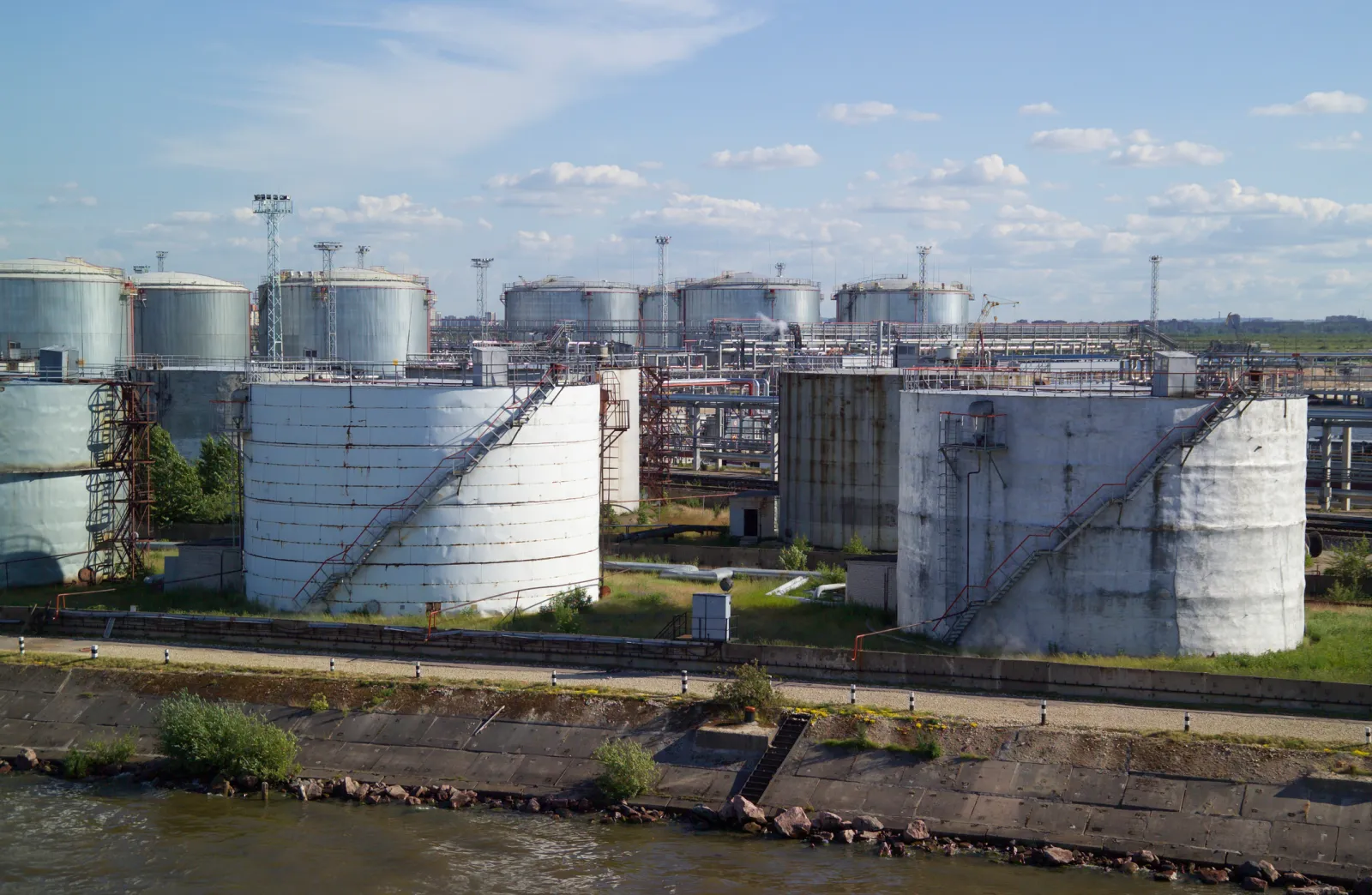
...
What Is Glycidyl Methacrylate?
Glycidyl methacrylate, commonly abbreviated GMA, is a colorless liquid used in industrial materials. Chemically, it is an ester of methacrylic acid and glycidol, containing both an epoxide group and a methacrylate component. Its chemical formula is C7H10O3, and it has a reported flash point of 76 degrees Celsius (about 169 degrees Fahrenheit).
The compound's dual functionality makes it a useful manufacturing building block. It can serve as a monomer, meaning a molecule capable of linking with other molecules to form larger polymer structures, and is used in epoxy resins, modified polyolefins and other resin systems. Epoxy-based materials have broad applications in coatings, adhesives and composites.
Those industrial properties are distinct from the immediate public-health issue in Toledo. City officials warned that exposure to the chemical released at the site can produce irritation involving the eyes, nose, mouth and skin.
Reported symptoms of overexposure include headaches, dizziness, fatigue, nausea and vomiting.
The city advised anyone with minor irritation to rinse or shower and contact a medical professional, while people with serious symptoms such as breathing problems, vomiting, dizziness or confusion were told to seek emergency care.
Related Story

Vivek Ramaswamy’s Election Odds Crash to New Low Amid Amy Acton Ad Backlash
What Caused the Chemical Leak?
The release came from equipment connected to MC Tank Transport's operations in northern Toledo late Tuesday. Officials were alerted around 9:30 p.m., according to on-scene reporting, and issued the evacuation order at 10:48 p.m.
The company handles liquid chemicals, and the tank involved had a capacity of 5,500 gallons, according to Kapszukiewicz.
What actually triggered the release remained unclear Wednesday morning. The City of Toledo's public alert said only that hazardous material had been released and was still being monitored.
Kapszukiewicz said officials did not know the cause, and emergency teams initially kept their distance because they were concerned about the tank's stability.
There is also a major discrepancy over whether the initial failure was an explosion. Several reports quoted Kapszukiewicz describing the event that way, but the city's official emergency update said no explosion had occurred.
The confirmed point across the accounts is that glycidyl methacrylate escaped from equipment at the terminal and prompted the evacuation and shelter orders.
Which Residents Have Been Asked to Evacuate?
Toledo Fire & Rescue ordered people living or working within a one-mile radius of the Progress Avenue site to leave the area.
The city's emergency information page directed evacuees to Shoreland Elementary School, while Red Cross and Toledo Area Regional Transit Authority buses were available at a nearby Meijer parking lot to provide additional shelter.
The precautions extend farther than the mandatory evacuation area. Anyone within three miles of the site was told to shelter in place rather than leave, keeping windows and doors shut, pets inside and ventilation systems that pull air from outdoors switched off.
Kapszukiewicz said more than 900 people live inside the evacuation area and that they had left by Wednesday morning. Those orders also affected businesses, meaning the one-mile boundary applies to people working inside the zone as well as residents.
Have There Been Any Injuries Tied to the Leak?
Accounts of injuries differed Wednesday morning. The City of Toledo's official emergency page, last updated at 7:30 a.m., said no injuries or deaths had been reported.
However, Kapszukiewicz said during a Wednesday news conference that a sheriff's deputy was injured while responding to the incident.
Other local reporting said a first responder needed hospital treatment, but no other injuries had been confirmed. The available accounts did not establish that chemical exposure itself caused the reported injury.
Officials nevertheless issued health guidance because glycidyl methacrylate can cause irritation. The city said odor alone should not be taken as evidence of a dangerous concentration but advised people who smell something unusual outside the designated zones to move indoors and limit outside ventilation.
Anyone experiencing serious symptoms was advised to seek immediate medical assistance.
Could Neighboring States Be Impacted?
The incident occurred in northern Toledo, near the Ohio-Michigan border, making Michigan the neighboring state most immediately relevant geographically. Detroit-area coverage was closely monitored following the incident Wednesday morning because of its proximity to the state line.
However, authorities had not announced an evacuation or shelter-in-place order for residents of another state in the official information available Wednesday morning. The City of Toledo's instructions defined the protective zones by distance from the Progress Avenue release: mandatory evacuation within one mile and sheltering within three miles.
That distinction is important. The location's proximity to Michigan does not itself establish that hazardous concentrations of glycidyl methacrylate crossed the state line. Officials continued to monitor the release, and the city's guidance focused on distance from the incident rather than state boundaries.
Dense fog and limited wind added another complication Wednesday morning. The city explicitly warned residents not to judge their exposure by visible haze because fog and the chemical release could not be reliably distinguished by sight.
People outside the official zones who detected an unusual odor were advised to remain indoors, close doors and windows and shut off systems drawing outside air into buildings.
Newsweek’s reporters and editors used Martyn, our AI assistant, to produce this story. Learn more about Martyn
here.
Contact Newsweek editors on this story: Kate Nalepinski and Dave Siminoff.
View 0 Comments
Submit Correction
View Editorial & AI Guidelines