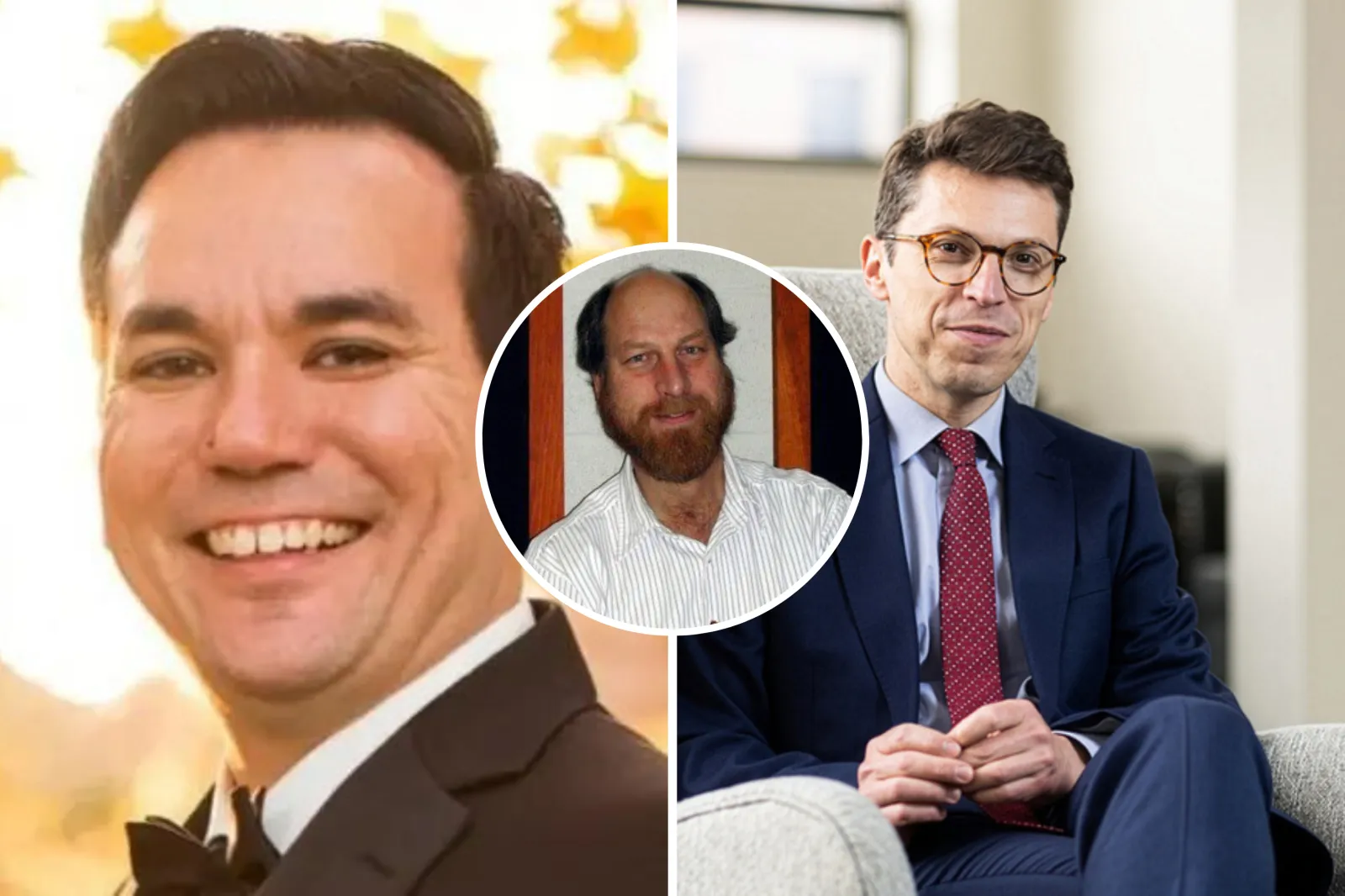

By Anna Skinner
Associate News Editor
0
Share
Newsweek is a Trust Project member
See more of our trusted coverage when you search.Prefer Newsweek on Googleto see more of our trusted coverage when you search.
Obituaries and memorial posts are offering rare, concrete details about the 11 U.S. missing and deceased scientists—and how abruptly their lives ended—as the White House signals it is preparing to look into the mysterious occurrences.
While there has been no established link between the cases, the clustering has prompted growing public scrutiny and calls for closer examination.
On Thursday, President Donald Trump described the incidents as "pretty serious stuff" after leaving a meeting on the topic.
Read More on Politics
"I hope it's random, but we're going to know in the next week and a half," he said. "Hopefully, I don't know, a coincidence, whatever you want to call it. But some of them were very important people, and we're going to look at it over the next short period."
White House Press Secretary Karoline Leavitt said this week that the Trump administration would seek answers.
"If true, of course, that's definitely something I think this government and administration would deem worth looking into. So let me do that for you," Leavitt told reporters.
...
Who Are The Scientists Who Have Died?
Below are profiles of six scientists whose deaths—many described as sudden or unexpected—are now part of the broader examination.
Amy Eskridge: Antigravity technology researcher
A scientist who reportedly died of a self-inflicted gunshot wound in 2022 is receiving renewed attention amid reports on a series of deaths and disappearances involving U.S. experts tied to advanced research.
...
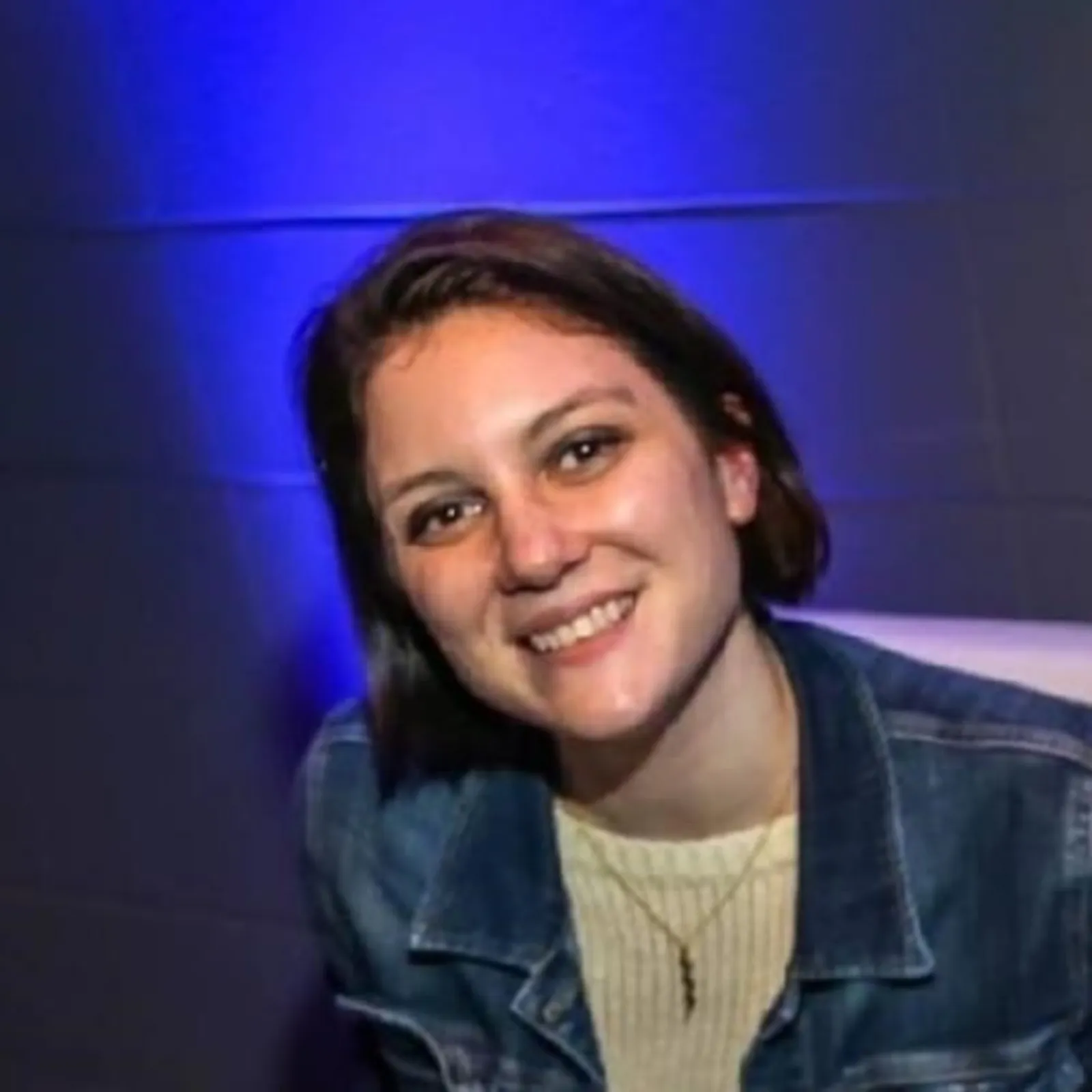
On Thursday, the Daily Mail reported that Amy Eskridge, 34, died in Huntsville, Alabama, on June 11, 2022. The outlet reported the death as a self-inflicted gunshot wound to the head but said neither the police nor medical examiners had released a public investigative report.
"At just age 34, Amy already had a beautiful vision for life and the cosmos," Eskridge's obituary said. "She had a genius for science and questioned the conventional wisdom on everything from the universe to the nanoparticles of the atom. She was also an astute entrepreneur as Chairwoman and President of The Institute for Exotic Science in Huntsville, AL, which she co-founded."
According to the Daily Mail, Eskridge had been investigating and attempting to develop antigravity technology, a method of manipulating or offsetting the effects of gravity.
Her father, Richard Eskridge, is a retired NASA engineer.
Michael Hicks: NASA Jet Propulsion Laboratory Researcher
Michael David Hicks, 59, a veteran NASA Jet Propulsion Laboratory (JPL) scientist involved in asteroid and comet research, died in July 2023. His obituary described him as an astronomer, artist and father but did not immediately disclose a cause of death.
Dr. Joe Masiero, lead scientist for the Near-Earth Object Surveyor at Infrared Processing and Analysis Center (IPAC) at the California Institute for Technology, worked with Hicks when Masiero was a research scientist at JPL.
Hicks loved working with students, Masiero told Newsweek.
“He put a lot of work into mentoring the next generation,” he said. “He was such a good soul who really wanted to help students and gave them the best opportunities possible.”
Masiero stressed that his statements were not an official position of Caltech, NASA, or the NEO Surveyor mission.
Masiero and Hicks worked together at JPL for about 10 years and interacted frequently.
“He was a pleasure to be around,” Masiero said. “A lot of fun to talk to.”
Hicks' obituary said he liked to pursue projects in visual media, including woodblock prints and oil painting. He played the ukulele, loved the writings of Hunter S. Thompson and was a big fan of the Muppets.
"Michael’s whimsy and sweetness will be missed," the obituary said.

...
Hicks published many scientific papers and worked on major missions, including NASA’s DART project, "the first-ever mission dedicated to investigating and demonstrating one method of asteroid deflection by changing an asteroid’s motion in space through kinetic impact," NASA said in a webpage about the project.
Frank Maiwald: NASA Jet Propulsion Laboratory Researcher
Frank Werner Maiwald, 61, also a longtime researcher at NASA’s Jet Propulsion Laboratory, died on July 4, 2024, in Los Angeles. His obituary stated simply that he “passed away,” without listing a cause of death.

...
Maiwald was a principal investigator at NASA's Jet Propulsion Laboratory, managing major Earth‑observing and space instrumentation projects and receiving multiple NASA awards.
"Frank's life was a testament to the power of dedication, love, and kindness," his obituary said. "His legacy will continue to inspire those who knew him and benefited from his work and warmth."
Nuno Loureiro: MIT Fusion Scientist
Nuno Loureiro, 47, director of MIT’s Plasma Science and Fusion Center, died in late 2025 after sustaining gunshot wounds on December 15. A GoFundMe fundraiser created for his family described his death as a “sudden and devastating tragedy,” saying his life was “tragically cut short” by violence.

...
Loureiro was an internationally respected plasma physicist and a recent recipient of the Presidential Early Career Award. His unexpected death sent shock waves through the scientific community and prompted an outpouring of memorials emphasizing both his research achievements and his role as a husband and father of three. His case is among those cited in reports of the missing or dead scientists.
“With great sadness, I write to share the tragic news that Professor Nuno Loureiro, director of the Plasma Science and Fusion Center (PSFC), died early this morning from gunshot wounds he sustained a few hours before," MIT President Sally Kornbluth wrote in a letter after Loureiro's death. "In the face of this shocking loss, our hearts go out to his wife and their family and to his many devoted students, friends and colleagues.”
The suspect in Loureiro's death was identified as Claudio Manuel Neves Valente, the suspect in the Brown University mass shooting, who was later found dead from self-inflicted gunshot wounds three days after Loureiro's murder.
Jason Thomas: Cancer Researcher
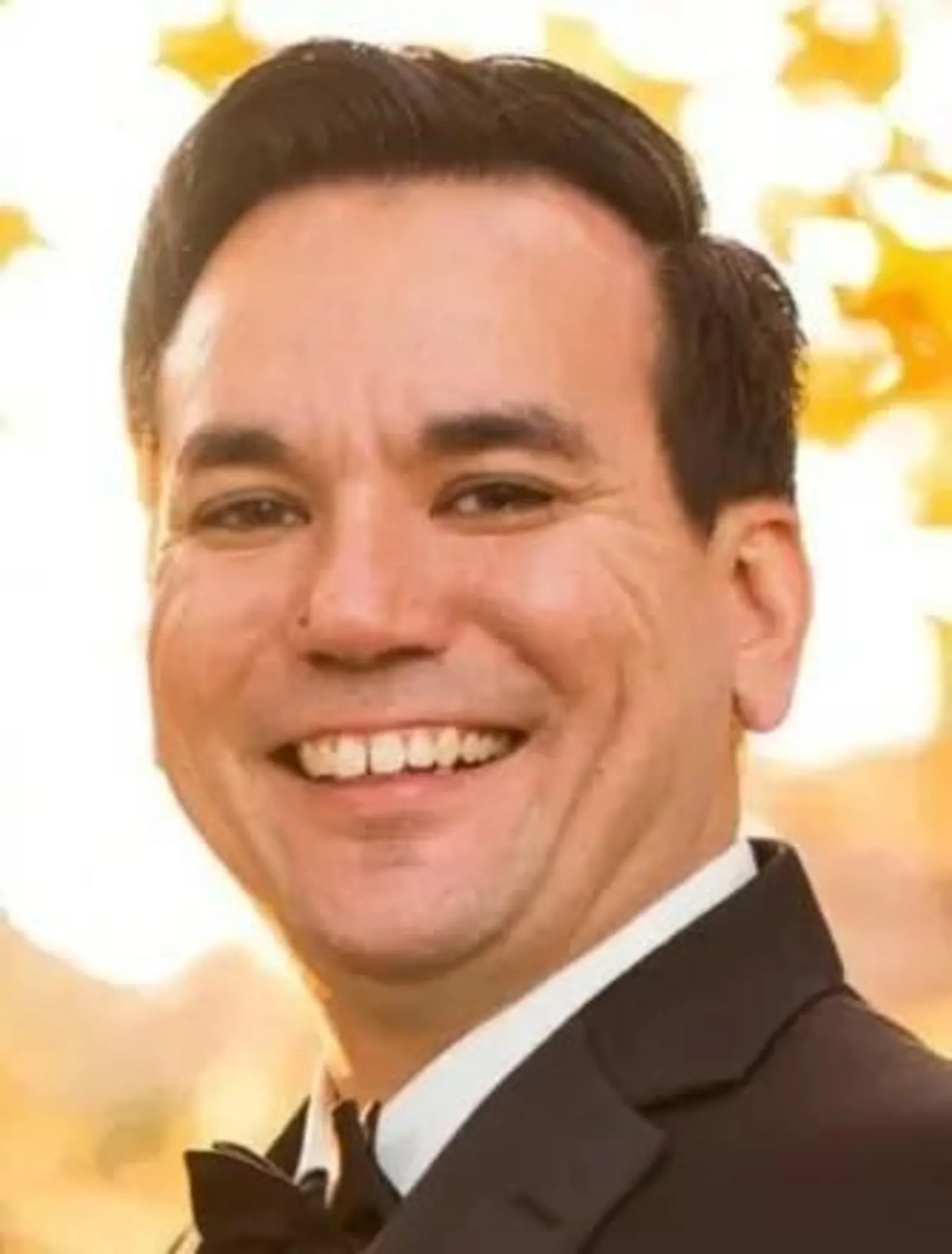
Jason R. Thomas, a 46‑year‑old pharmaceutical researcher at Novartis working on cancer treatments, was reported missing from his Massachusetts home in December 2025. According to his Legacy.com obituary, which was published in April of this year, Thomas "passed away unexpectedly after having been missing since December 12, 2025."
...
Thomas's body was recovered from Lake Quannapowitt in Wakefield, Massachusetts, on the afternoon of March 17.
Thomas held advanced degrees in physics, biology and biophysics and was known for his work in drug discovery and chemical biology.
"Jason was deeply compassionate and generous, believing strongly that his work could make a meaningful difference in people's lives," his obituary said. "He dedicated countless hours to his education, driven by a desire to learn all he could in order to better serve others."
While local authorities have not released extensive details about how or where he died, his months‑long disappearance before his death has made his case one of the more unsettling examples cited in discussions about the missing scientists.
Carl Grillmair: Renowned Caltech Astronomer
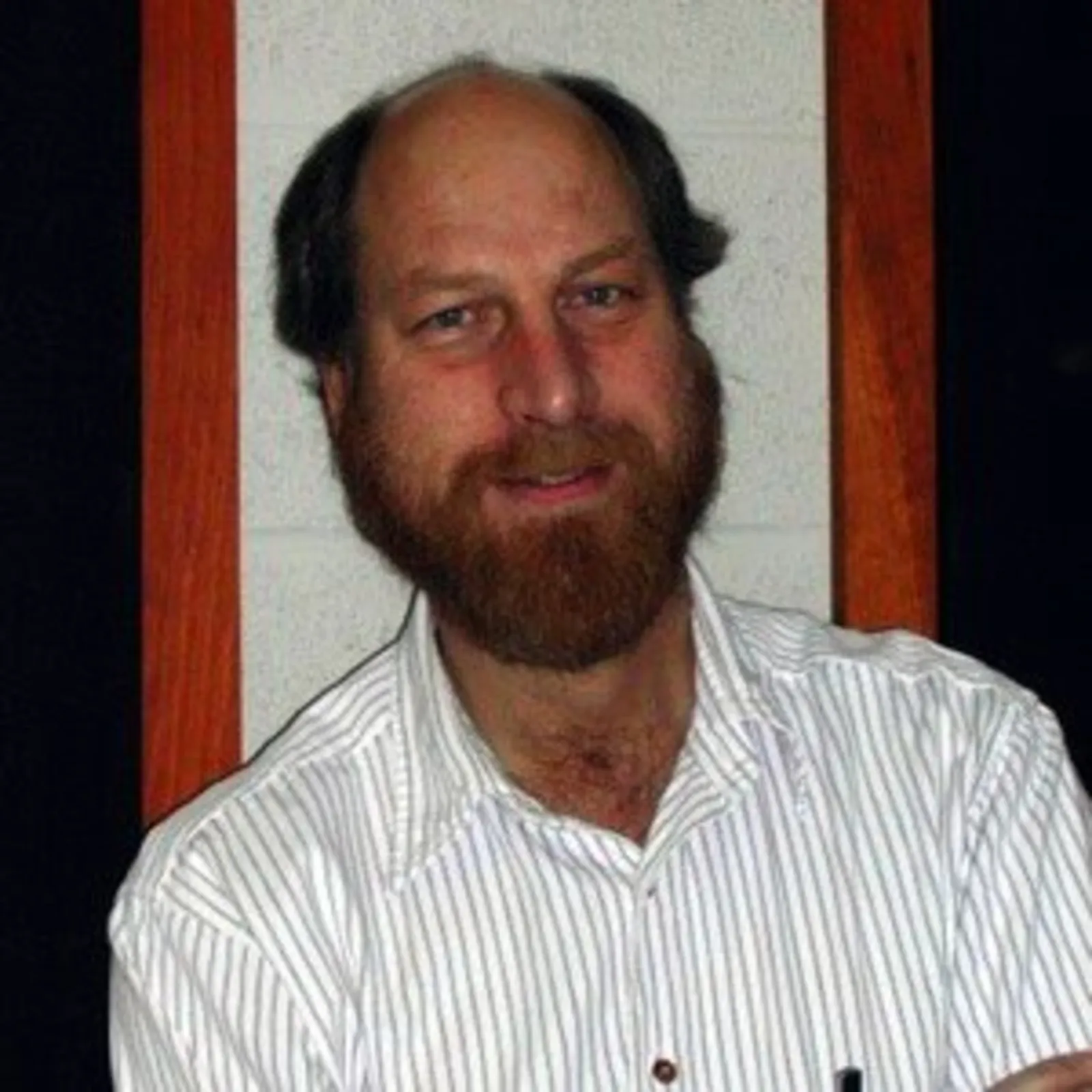
Carl Grillmair, 67, an astronomer at the California Institute of Technology, died on February 16. In an obituary, Caltech said Grillmair “passed away suddenly,” noting his long career studying exoplanets, stellar streams and near‑Earth objects through NASA‑affiliated missions.
...
Grillmair’s death was the result of a fatal shooting outside his rural Southern California home, according to law enforcement. He was widely regarded as a foundational figure at Caltech’s IPAC, where colleagues said his loss would be felt for years.
Masiero, who worked with Hicks at JPL, also more recently worked with Grillmair.
Grillmair was “detail-oriented,” Masiero told Newsweek. The pair worked together for five to six years, and Masiero described him as a “constant presence.”
Grillmair rarely talked about life outside of work, Masiero told Newsweek, but he recalled Grillmair expressing excitement to return to Canada to visit his family for Canadian Thanksgiving every October.
“We really miss Carl, and it’s a real tragedy what happened," he said.
Masiero added that he doesn’t believe there’s a conspiracy connecting the scientists.
“Sometimes, life is weird like that,” he said. “It’s really unfortunate to see a tragedy played out over and over again. The toughest part is to be reminded of the tragic nature of his passing.”
Grillmair enjoyed flying small aircraft and gliders that he owned and maintained at his home, the Caltech report said. Grillmair loved the outdoors, driving tractors and doing repairs and construction projects on his home.
Tom Greene, a colleague who worked with Grillmair at IPAC, described him as a unique man who lived life on his own terms.
"Professionally, he knew what he wanted to do, and he did it," Greene told Newsweek.
The pair enjoyed discussing various scientific topics together.
Regarding reports on the wave of missing and dead scientists, Greene stressed that he doesn't believe there's any factual basis to the claims.
"We live in a violent society, there are a lot of unpleasant people and unpleasant things that happen in our society," he said. "I worry trying to ... fabricate connections reduces emphasis on that."
Which Scientists Are Missing?
Five other scientists remain missing, cases that continue generating scrutiny of whether the deaths and disappearances share any connection. Among those still unaccounted for are researchers with ties to national laboratories and defense- or aerospace‑related work.
The missing scientists include:
- **Steven Garcia—**Government contractor at the Kansas City National Security Campus in Albuquerque, New Mexico.
Missing since: August 28, 2025. - **William "Neil" McCasland—**Retired U.S. Air Force major general.
Missing since: February 27, 2026. - **Anthony Chavez—**Former employee at Los Alamos National Laboratory.
Missing since: May 8, 2025. - **Melissa Casias—**Administrative worker at Los Alamos National Laboratory.
Missing since: June 26, 2025. - **Monica Reza—**Director of Materials Processing at NASA’s Jet Propulsion Laboratory.
Missing since: June 22, 2025.
Update 4/17/2026, 6:43 p.m. ET: This article was updated to include additional information.
View 0 Comments
Submit Correction
View Editorial & AI Guidelines