...

By Maria Azzurra Volpe
Reporter
0
Share
Newsweek is a Trust Project member
See more of our trusted coverage when you search.Prefer Newsweek on Googleto see more of our trusted coverage when you search.
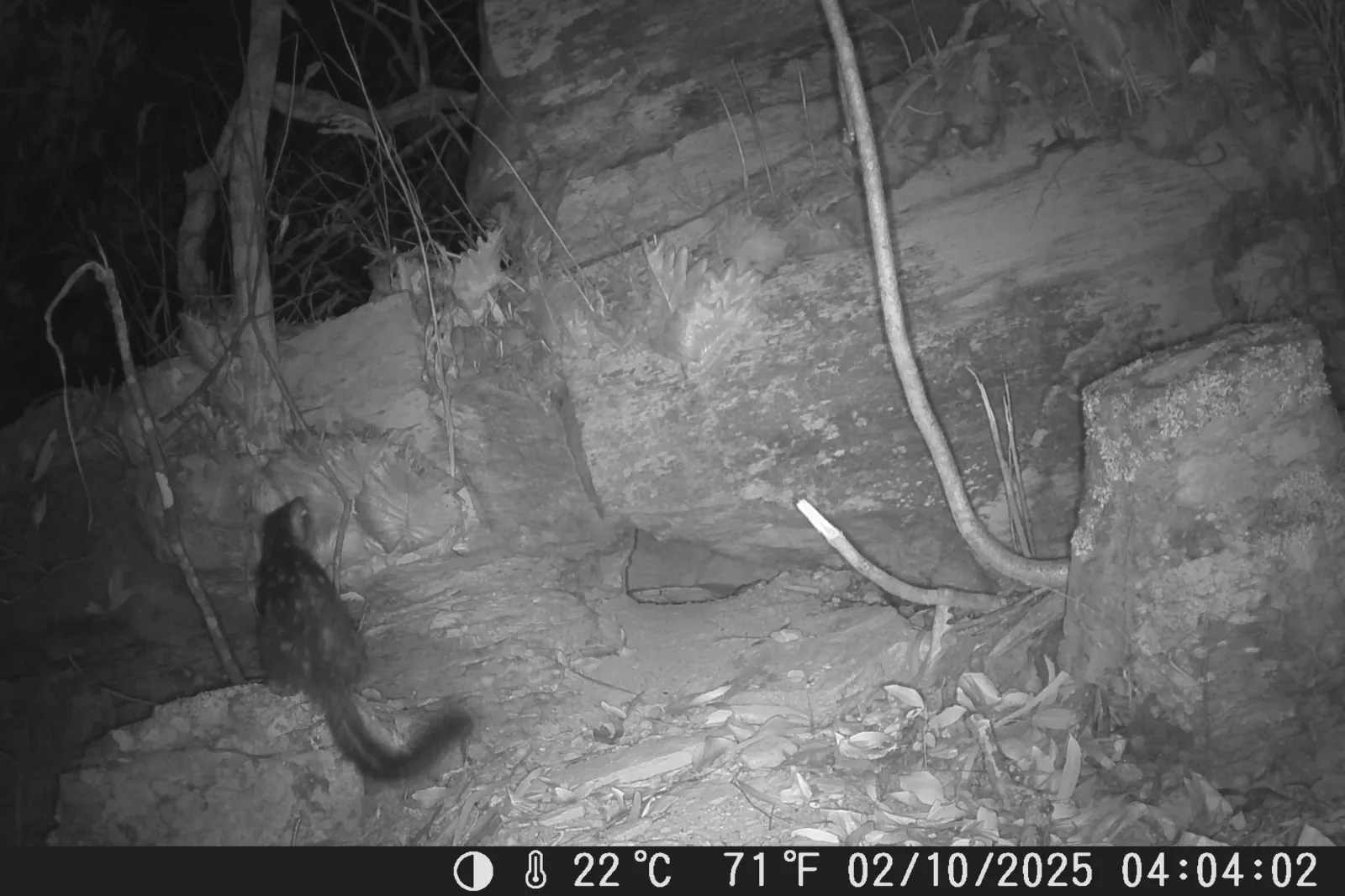
An endangered species of marsupial known as the “northern quoll” or the "North Australian native cat" has been spotted in a wildlife sanctuary in Queensland for the first time in almost a century, sparking hopes of a potential comeback.
The critter was captured on a motion-sensor camera at the 164,850-hectare Piccaninny Plains Wildlife Sanctuary in Northern Kaanju Country, jointly owned by Australian Wildlife Conservancy (AWC) and The Tony & Lisette Lewis Foundation.
Once widespread across northern and eastern Australia, northern quoll populations have collapsed due to toxic cane toads; feral predators including cats; inappropriate fire regimes; and habitat loss.
Read More on Science
...
The closest detection of the species was in 2017, when a quoll was captured on a trail camera on the neighbouring Indigenous managed Kaanju Ngaachi Wenlock and Pascoe River IPA by Chuulangun Rangers.
Ecologists have been fearing the loss of the species from Piccaninny Plains for nearly two decades after failing to detect the elusive marsupial in surveys since 2008—including multiple targeted camera deployments in 2015, 2021 and 2023.
Then last year, sanctuary manager Nick Stock, following a hunch, deployed a single camera on an isolated rocky outcrop within the sanctuary that he spotted from a helicopter. Within days he had captured unmistakable evidence of a quoll.

...
“It was a fantastic surprise!” Helena Stokes, AWC Wildlife Ecologist said. “After years of no sightings, to finally confirm a northern quoll on the sanctuary is hugely uplifting for our team. It reinforces the importance of persistence, good science, and managing threats across large landscapes.”
This record, according to Stokes gives them a “roadmap” and a clear starting point for future surveys and research.
“It’s possible this quoll, and hopefully others, have adapted their behaviour in response to the presence of cane toads. Understanding that resilience could be vital for the species’ long-term survival,” she said.

...
The rediscovery also offers an important starting point for understanding how the species continues to persist on Cape York.
Early signs indicate that the rocky outcrop has largely escaped fire—thanks to AWC’s long‑term fire management—and, to date, surveillance cameras have not detected any feral cats in the area.
“Every rediscovery matters,” said Nick Stock. “Just when we were close to giving up hope, this little quoll reminds us why we keep searching, and why protecting these landscapes at scale is essential.”
Do you have a tip on a science story that Newsweek should be covering? Do you have a question about endangered species? Let us know via science@newsweek.com.
View 0 Comments
Submit Correction
View Editorial & AI Guidelines