10
Loading video...

By Amanda Castro
Associate News Editor
0
Share
Newsweek is a Trust Project member
See more of our trusted coverage when you search.Prefer Newsweek on Googleto see more of our trusted coverage when you search.
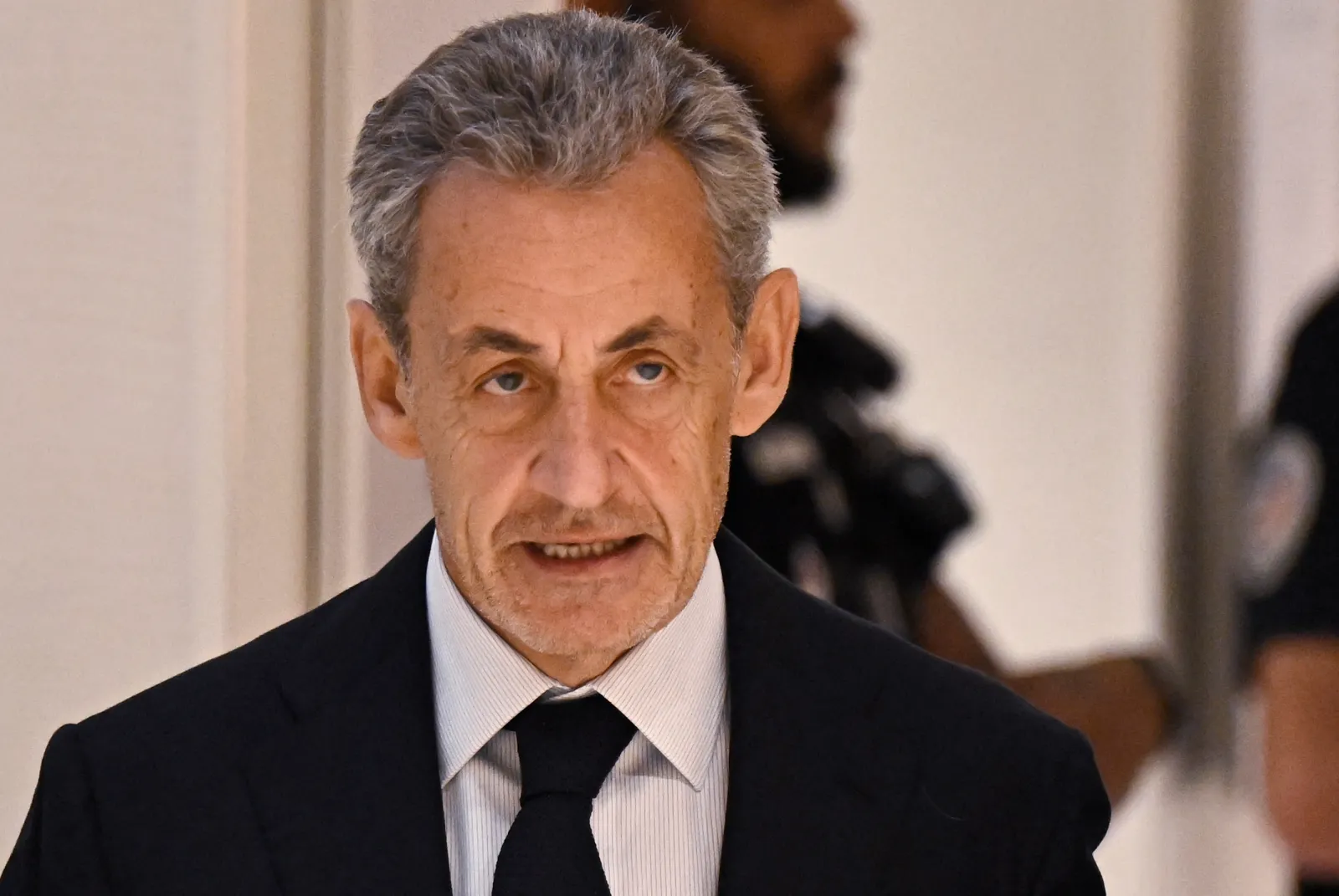
Former French President Nicolas Sarkozy was sentenced Thursday to five years in prison after a Paris court found him guilty of criminal association in a scheme to secure campaign financing from Libya’s former regime. The ruling, reported by the Associated Press, adds that Sarkozy will be incarcerated even if he appeals. His legal team has not yet issued a public response to the verdict.
Why It Matters
Sarkozy is the first former French president sentenced over alleged foreign campaign financing. The case centers on accusations that Moammar Gadhafi’s government secretly bankrolled Sarkozy’s 2007 presidential bid in exchange for diplomatic favors—a claim that has long stirred controversy in France and abroad.
Read More on News
The verdict adds to Sarkozy’s mounting legal troubles and highlights France’s evolving stance on political accountability. It also revives scrutiny of Western ties to Gadhafi’s regime before its collapse in 2011.
...
What To Know
The court found Sarkozy guilty of criminal association for enabling close allies to solicit financial support from Libya between 2005 and 2007. While prosecutors alleged a broader “corruption pact,” judges concluded that Sarkozy allowed intermediaries to act on his behalf but stopped short of confirming that Libyan funds were used directly in his campaign.
Sarkozy was cleared of three other counts: passive corruption, illegal campaign financing, and concealment of embezzled public funds. The court said that it could not establish material evidence of a completed corruption offense, despite the presence of circumstantial evidence.
Two of Sarkozy’s former ministers, Claude Guéant and Brice Hortefeux, were also convicted of criminal association. Guéant was additionally found guilty of passive corruption and forgery. Eric Woerth, the 2007 campaign treasurer, was acquitted.
Franco-Lebanese businessman Ziad Takieddine, a key figure in the case, claimed in 2016 to have delivered suitcases of cash from Tripoli to the interior ministry of Sarkozy. He later retracted the statement. Takieddine died Tuesday in Beirut, and charges against him were dropped posthumously.
Sarkozy and Bruni-Sarkozy face preliminary charges in a separate investigation into alleged efforts to pressure Takieddine to reverse his testimony. That case has not yet gone to trial.
Sarkozy’s conviction adds to a string of legal setbacks, including a 2021 corruption verdict and a 2022 conviction for overspending in his failed reelection bid. He remains a prominent figure in French conservative politics despite being stripped of the Legion of Honor earlier this year.
What People Are Saying
Former French President Nicolas Sarkozy, about his charges on Thursday: "If they absolutely want me to sleep in prison, I will sleep in prison, but with my head held high."
He added: "Those who hate me so much think they can humiliate me. What they have humiliated today is France, the image of France."
“This injustice is a scandal,” he said.
“I ask the French people—whether they voted for me or not, whether they support me or not — to grasp what has just happened. Hatred truly knows no bounds," he said, adding that he'll have his "head held high" if he does end up behind bars.
What Happens Next
Prosecutors have one month to notify Sarkozy of the date of his incarceration. His legal team is expected to file an appeal, which, under French law, would typically suspend the sentence; however, the court’s ruling overrides that norm.
Update 9/25/25, 9:11 a.m. ET: This article was updated with additional information.
View 0 Comments
Submit Correction
View Editorial & AI Guidelines