
...

By Jennifer Cunningham
Editor-in-Chief
0
Share
Newsweek is a Trust Project member
See more of our trusted coverage when you search.Prefer Newsweek on Googleto see more of our trusted coverage when you search.
August was a month about the distance between the story and the thing itself.
In Moscow, 4 1/2 years of carefully policed vocabulary finally gave the game away: Vladimir Putin still insists Ukraine has no agency of its own, while describing a country capable of burning Russian warehouses a thousand miles behind the front line. In Washington, the president has claimed total victory over Iran; three charts showed an economy in genuine collapse and a regime still very much in charge of it. And the press secretary who spent 18 months making herself the story announced her exit the day after the story became difficult.
The rest of the month was about the gap between an image and a life. The Prince of Wales has built a strategy for saving the monarchy on relatability, then sent his heir to a school costing $85,000 a year. Newsweek reexamined the final weeks before September 11, 2001, and found not a failure of law but a failure to read what was already sitting on the desk. And a woman in Indiana went back over the decision her faith had made for her and asked, for the first time, who it had actually served.
Read More on Analysis
Here are six of my favorite articles from the month that made sense of it all for Newsweek members:
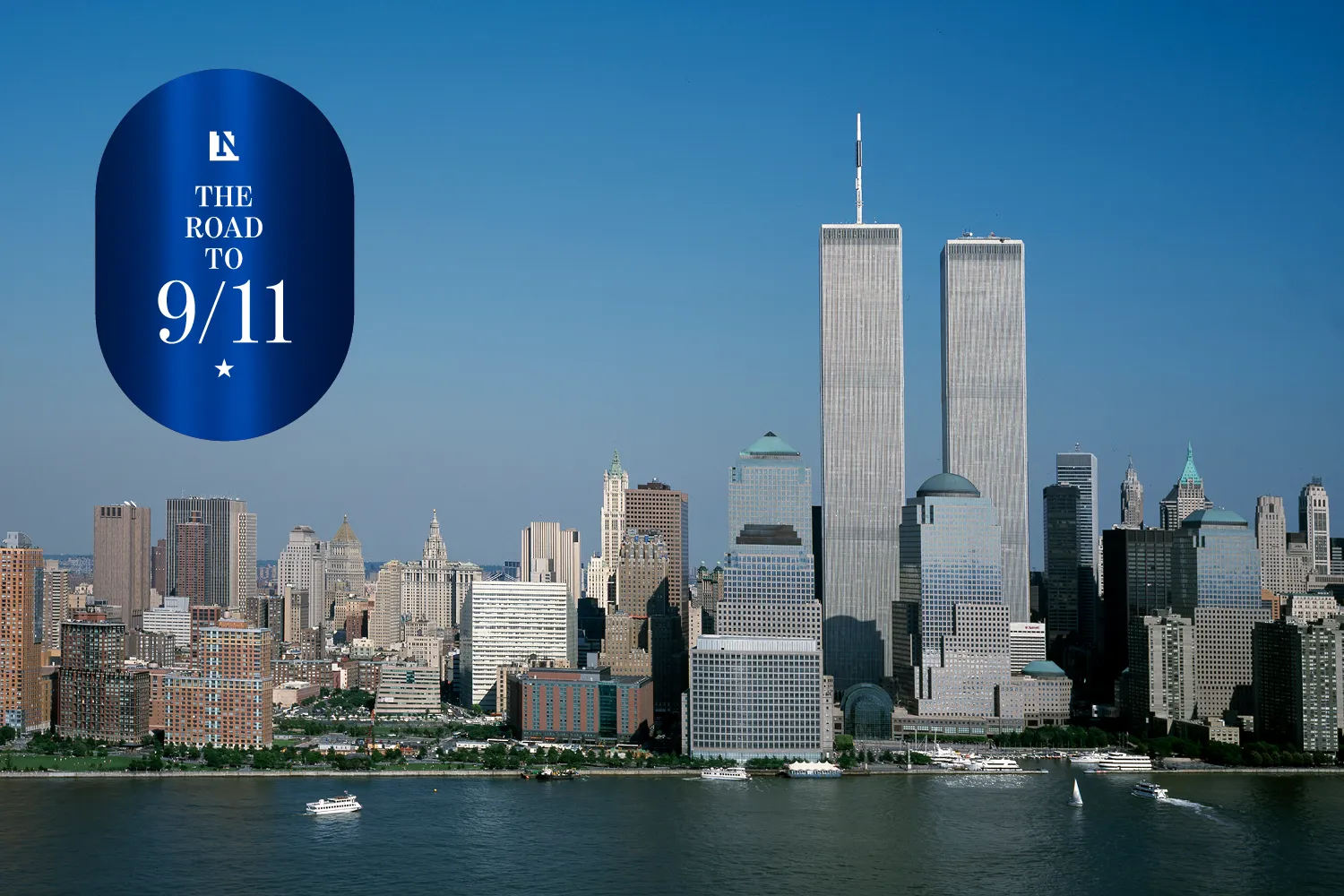
Why America Failed to Stop the 9/11 Terror Attacks
...
This was the opening entry in a day-by-day reconstruction, republished for the 25th anniversary, of the 37 days in which 19 men moved uninterrupted toward the worst terrorist attack on American soil. William M. Arkin argues that the familiar exculpation—that the law tied everyone’s hands—does not survive contact with the record. Nothing prevented the FBI from searching Zacarias Moussaoui’s belongings after his arrest in Minneapolis on August 16; the bureau simply chose not to seek a criminal warrant. The CIA had held reports for more than a year that two known Al-Qaeda operatives were inside the United States. The mastermind was already in the system, indicted in 1996, and moving under aliases the agencies had in hand. The Phoenix Memo had been written in July. Condoleezza Rice would later say nobody could have predicted such an attack; the reconstruction shows the FBI discussing precisely that scenario.
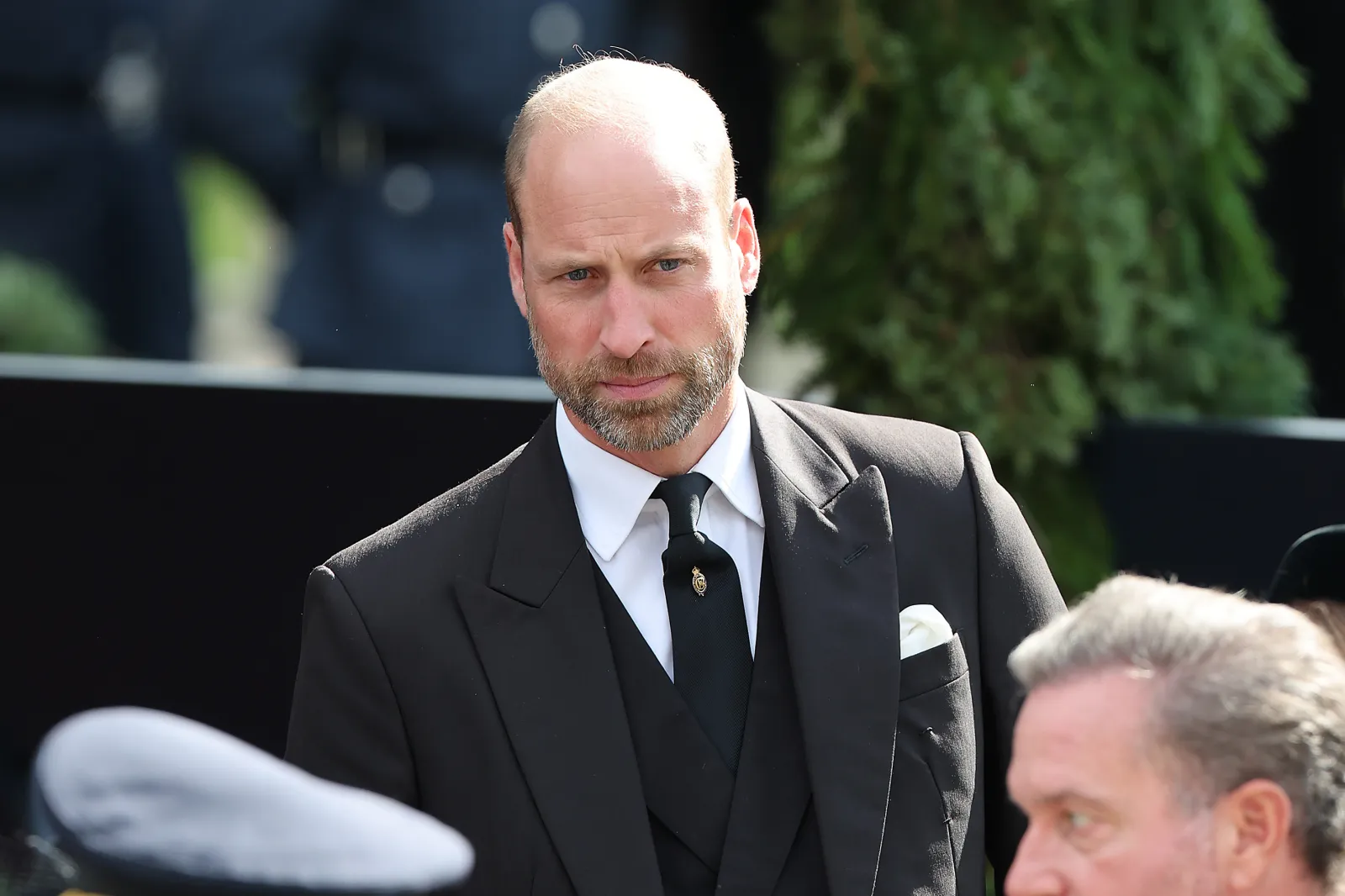
The Dual Threats to Prince William’s Everyman Image
...
The Prince of Wales has spent years making the case for the monarchy through aggressive relatability: the cider, Aston Villa, the school run, a turn on the Kelce brothers’ podcast. This cover story sets that against two problems converging at once. His heir is starting at Eton, at $85,000 a year, a school fewer than one percent of British children could contemplate; and his estranged brother is moving back to Britain, six years after leaving, to compete for the same cameras. Both threats are reported on with unusual candor from the participants—a royal biographer conceding the Eton decision dents the everyman framing, and an antimonarchy chief executive arguing the school gives the game away. Underneath sits the arithmetic of a $1.6 billion property estate that pays the heir just under $30 million a year. The sharpest observation is structural: Eton answered the assault on privilege by becoming more meritocratic, a sidestep the monarchy cannot copy without surrendering birthright itself.
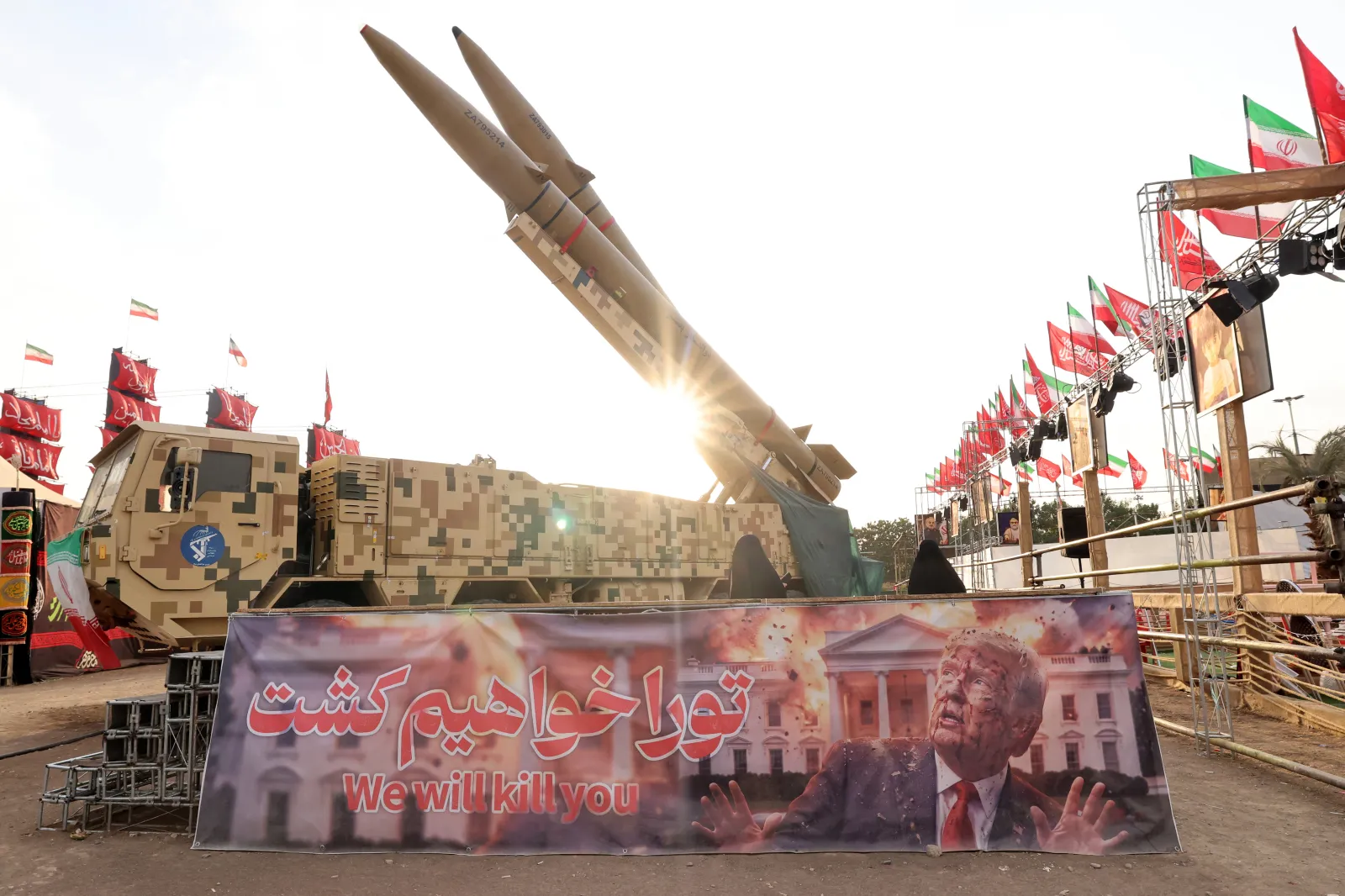
Iran’s Defeat by Trump in 3 Devastating Charts—and What Happens Next
...
Trump has claimed total victory over Iran, and often. This analysis tests the claim against three data series and arrives at something more precise: a decisive economic defeat that is not yet a strategic one. Oil production, the regime’s route to hard currency, was almost 23 percent below prewar levels by July on OPEC’s figures. The Iran Chamber of Commerce’s whole-economy PMI fell from 46.4 before the war to 24.9, and although it recovered as the fighting eased, every reading since has stayed in contraction. Consumer prices were 87.9 percent higher year-on-year by July, with food up around 128 percent. The piece then asks what that sequence has historically preceded in Iran—2018, 2019, 2022, late 2025—and concludes that chronic hardship needs a catalyst rather than a number. Meanwhile Tehran still holds the Strait of Hormuz, American drivers were paying $4.05 a gallon on August 17, and Washington is short of missiles.
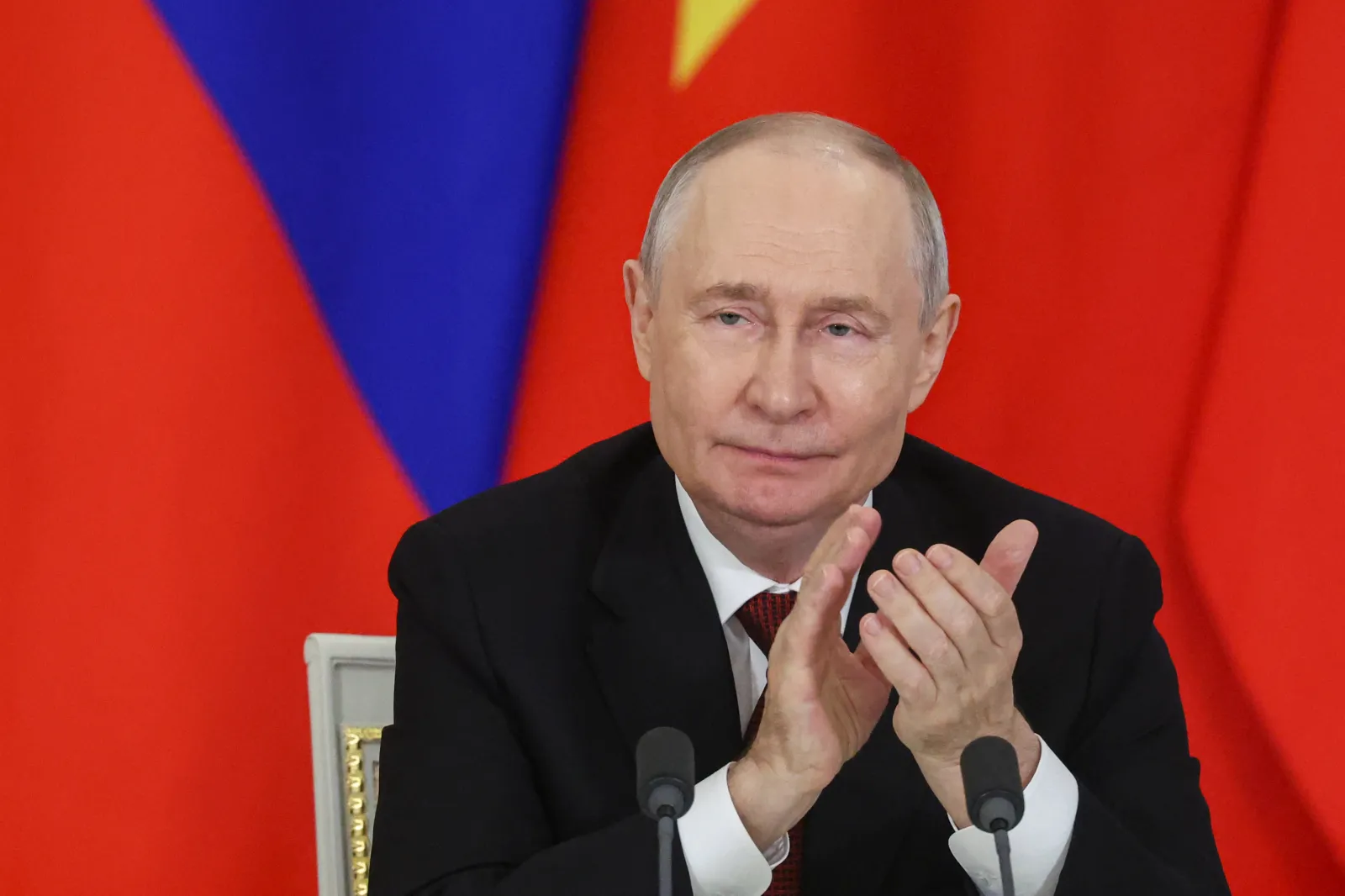
What Putin’s Shifting Vocabulary Reveals About Russia’s Ukraine War
...
A close reading of five years of Putin’s own words, and more revealing than most Kremlin leaks. In July 2021 he was publishing essays on historical unity and brotherhood. By February 2022, Ukraine had never possessed genuine statehood and required a special military operation. By September 2022 the war was against the collective West—a claim made before Kyiv had received a single Western tank, cruise missile, fighter jet, Patriot battery or ATACMS. That December, Putin used the word war himself, having already criminalized its use by everyone else. After Ukrainian troops crossed into Kursk in August 2024, the brotherly framing all but disappears; by mid-2025 he had dropped the pretense altogether—“all of Ukraine is ours.” This year’s Victory Day paraded no hardware at all. The closing argument is the strongest: Putin still grants Ukraine no agency while describing a state able to burn Russian warehouses a thousand miles from the front and disrupt Russian elections.
Karoline Leavitt Was Trump’s Real Decoy Plane
...
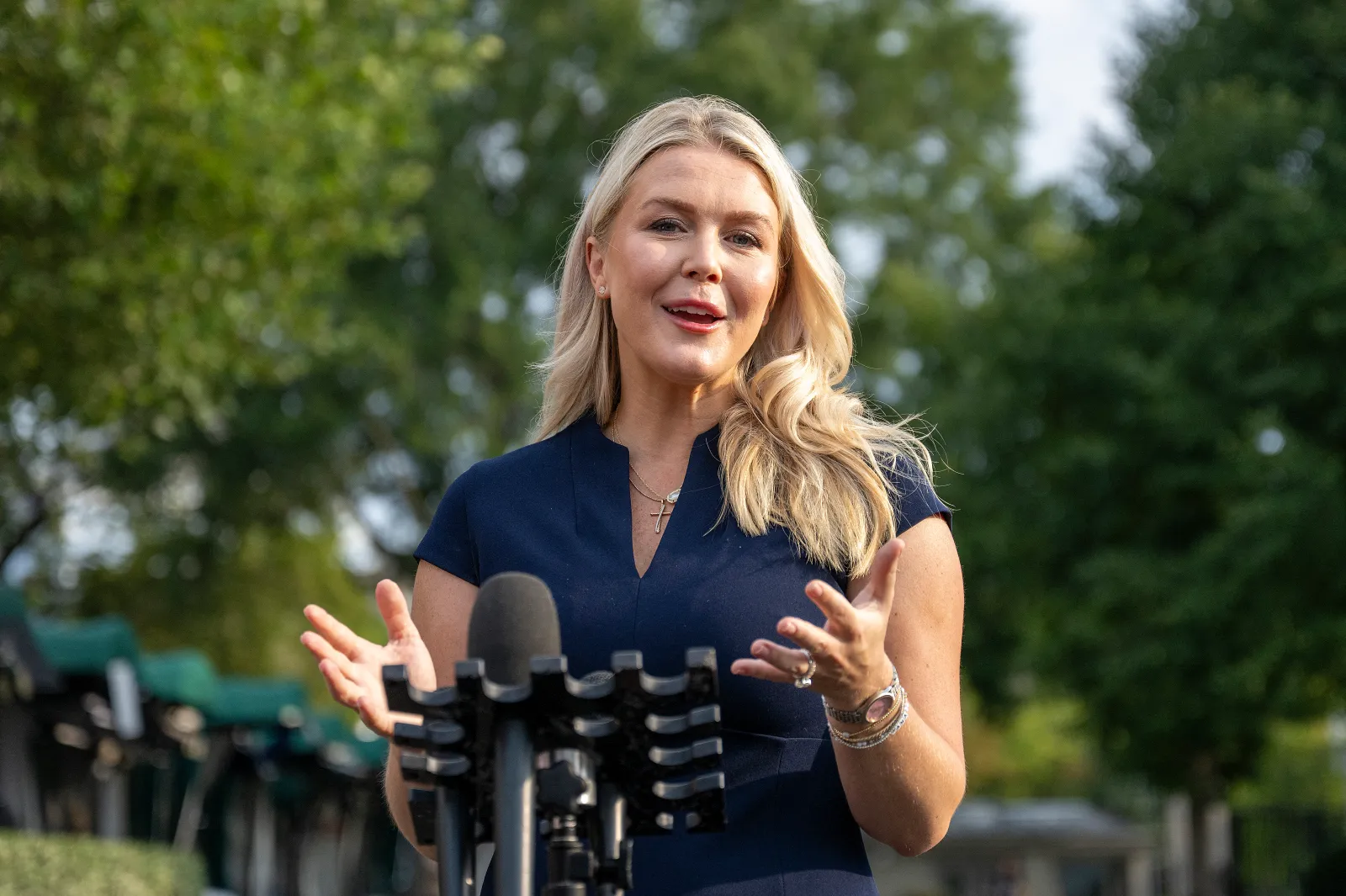
The thesis is in the headline, and it holds up. Announced the day after Chuck Schumer demanded a congressional briefing on the president being quietly moved off Air Force One in Ankara—an operation kept secret for a month—Leavitt’s departure reads, in this Perspective, as one last act of misdirection by a press secretary whose combativeness was never a failure of the communications strategy but the strategy itself. The case is built on receipts. The $50 million of condoms for Gaza that never existed, and which drew attention away from frozen funding for field hospitals treating some 33,000 civilians a month. The tariff exchange with an Associated Press reporter that became a fight about her grasp of economics rather than about who actually pays. The Gulf of America access ban, which turned a press-freedom dispute into a squabble over the name of some water. And the reporter she called a left-wing hack rather than answer a question about deaths in ICE custody.
My Faith Told Me to Carry My Dying Baby to Term. I Wish I Hadn’t

...
The most affecting thing we published in August came to us as a first-person account, and it resists summary. Lizzie grew up in central Indiana inside a strict evangelical world that had an answer ready for every question—including the one she faced at 19 weeks and four days, when an anatomy scan found her daughter’s defects were incompatible with life. One specialist advised termination; another advised letting nature take its course. Indiana law gave her three days to decide, and termination would have meant travel out of state she could not afford. So she carried her daughter to term. Maggie was born on January 24, 2017, weighed four pounds, was baptized, met her family, and died about five and a half hours later in her father’s arms. Nearly a decade on, having left the faith that made the decision for her, Lizzie asks the question she was never permitted to ask at the time—Who did that decision actually serve?
View 0 Comments
Submit Correction
View Editorial & AI Guidelines