10
Loading video...

By Anna Skinner
Associate News Editor
0
Share
Newsweek is a Trust Project member
See more of our trusted coverage when you search.Prefer Newsweek on Googleto see more of our trusted coverage when you search.
The federal government has authorized another weapon in the fight against the New World screwworm (NWS), a flesh-eating parasite that has spread into Texas and New Mexico and raised fears about the future of the U.S. cattle industry.
The move comes as the Trump administration faces criticism from some ranchers, animal health experts and industry observers over separate decisions to reopen portions of the U.S.-Mexico cattle trade while outbreaks remain active on both sides of the border.
On Thursday, the U.S. Food and Drug Administration (FDA) issued an Emergency Use Authorization (EUA) for Bimectin, a generic ivermectin injection, to help prevent NWS infestations in cattle. The agency said the drug can be administered within 24 hours of birth, during castration procedures, or when animals develop wounds that could attract screwworm flies. The authorization marks the FDA's 14th emergency approval related to the parasite since U.S. officials intensified their response to the growing threat.
Read More on U.S.
The authorization expands options available to ranchers as officials attempt to contain a pest capable of causing devastating injuries and significant economic losses. FDA officials said the generic drug provides producers with an alternative to Ivomec, a pioneer ivermectin product that received emergency authorization earlier this year.
“This authorization reflects the FDA’s commitment to expanding generic drug options against New World screwworm,” Timothy Schell, director of the FDA's Center for Veterinary Medicine, said in a press release. “By authorizing both generic and pioneer products, the Agency is ensuring producers aren’t dependent on a single manufacturer or product to protect their herds.”
Newsweek reached out to the FDA by online contact form for comment.

...
What Is the New World Screwworm?
The New World screwworm is not actually a worm but the larval stage of a fly. The parasite poses a unique threat because, unlike many other maggots that feed on dead tissue, screwworm larvae burrow into living flesh. Female flies lay eggs in wounds or body openings, and after hatching, the larvae consume healthy tissue, causing severe injuries that can rapidly worsen if left untreated.
The parasite can infect cattle, horses, sheep, goats, wildlife, pets and, in rare cases, humans. In livestock, infestations can lead to severe suffering, reduced productivity and death. Veterinary experts have long considered the screwworm one of the most destructive livestock parasites ever to threaten North America.
Related Story
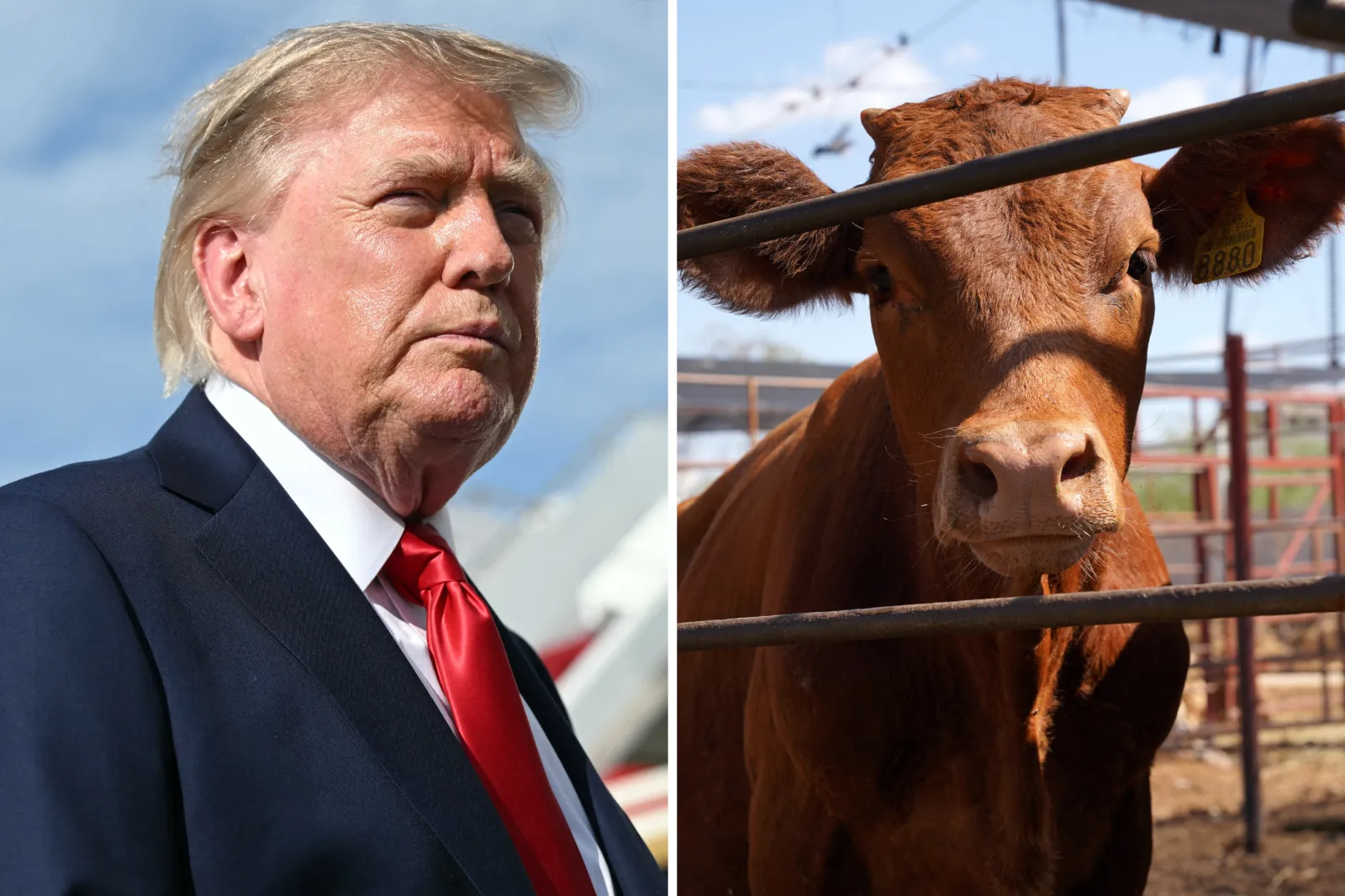
Trump’s Beef Deal Sparks Anger in States Where Republicans Are Vulnerable
The U.S. eradicated the pest in 1966 through a decades-long campaign involving the release of sterile male flies, a strategy that disrupted reproduction and eventually collapsed wild populations. However, the parasite reemerged in Central America and has steadily moved northward in recent years.
In June, federal officials confirmed new U.S. cases in Texas and New Mexico, ending decades without domestic livestock infections and raising concerns that the outbreak could spread further into American cattle country. As of late August, federal reports cited dozens of confirmed domestic animal cases.
The newly authorized product, Bimectin injection, contains ivermectin, a widely used antiparasitic drug. While already approved for controlling various cattle parasites, the FDA's emergency order specifically allows its use to prevent NWS infestations under defined circumstances. The treatment is available over the counter and does not require a prescription.
The drug is not authorized for lactating dairy cows or calves intended for veal production, and producers must observe a 35-day withdrawal period before slaughter to prevent drug residues from entering the food supply.
Trump's Beef Policies Under Fire
The authorization arrives amid a broader debate over the Trump administration's approach to cattle imports and soaring beef prices.
Some of President Donald Trump's recent beef-related policy decisions have sparked backlash from ranchers, industry groups and some lawmakers, who argue that the administration is sending mixed signals on support for domestic cattle producers.
Critics have objected to Trump's decision to temporarily expand duty-free imports of lean beef trimmings in an effort to lower grocery prices, warning that an influx of foreign beef could undercut U.S. ranchers at a time when producers are trying to rebuild cattle herds after years of drought and shrinking inventories.
In July, the administration announced plans to reopen portions of the southern border to cattle from Mexico that closed in 2025 because of the northward spread of the New World screwworm, arguing that inspection protocols and ongoing surveillance could allow trade to resume safely while helping alleviate supply shortages that have contributed to record-high beef prices. The first reopening involved the Douglas, Arizona, port of entry in August, with additional crossings expected to follow if conditions remain favorable.
While the administration said reopening trade and increasing beef supplies can help ease pressure on consumers facing record-high beef prices, the decisions have fueled broader concerns among some agricultural groups that recent policies may undermine U.S. ranchers and create uncertainty for producers already grappling with herd shortages and disease threats.
What Happens Next
The dispute highlights the increasingly difficult balancing act facing federal officials. While ranchers want stronger protections against a parasite capable of inflicting billions of dollars in livestock losses, the beef industry is also grappling with historically tight cattle supplies and elevated meat prices.
For now, the FDA's emergency authorization represents another attempt to strengthen the country's defenses as officials race to prevent the screwworm from regaining a permanent foothold in the United States. With new cases continuing to emerge and debate over cattle imports intensifying, the parasite has become both an animal health emergency and a political flashpoint.
Contact Newsweek editors on this story: Samantha Beech and Dave Siminoff.
View 0 Comments
Submit Correction
View Editorial & AI Guidelines