10
Loading video...

By Amanda Castro
Associate News Editor
0
Share
Newsweek is a Trust Project member
See more of our trusted coverage when you search.Prefer Newsweek on Googleto see more of our trusted coverage when you search.
Health officials in Nevada have confirmed the state's first human case of avian influenza A (H5N1) in a person who had contact with infected dairy cattle, at a farm in Churchill County. The patient experienced conjunctivitis but had no other symptoms and is recovering.
The Context
The case marks a continuation of the H5N1 outbreak affecting multiple states. While the Centers for Disease Control and Prevention (CDC) has assessed risk to the general public as low, farmworkers and those in close contact with infected animals remain at higher risk.
Read More on Health
What To Know
Following the confirmed case in Nevada, health officials have begun monitoring and contacting individuals who may have been exposed at the affected farm. Workers have been provided with personal protective equipment, testing and antiviral medications as a precaution. No additional cases have been confirmed in the state.
Although the general public is at low risk, those who work with birds, poultry or cattle—or have recreational exposure to potentially infected animals—should take extra precautions. The Central Nevada Health District advises avoiding direct contact with sick or dead animals and their droppings, keeping pets away from wild birds, and ensuring all food is properly cooked.
Officials also warn against consuming unpasteurized raw milk or cheese, as the virus can spread through contaminated dairy products. Farmworkers are encouraged to consult health care providers about seasonal flu vaccinations, which may help reduce the risk of coinfection with other influenza strains.
Since the outbreak last year, 66 confirmed human cases of H5N1 have been reported across 11 states:
- California: 38 cases
- Colorado: 10 cases
- Iowa: 1 case
- Louisiana: 1 case
- Michigan: 2 cases
- Missouri: 1 case
- Nevada: 1 case
- Oregon: 1 case
- Texas: 1 case
- Washington state: 11 cases
- Wisconsin: 1 case
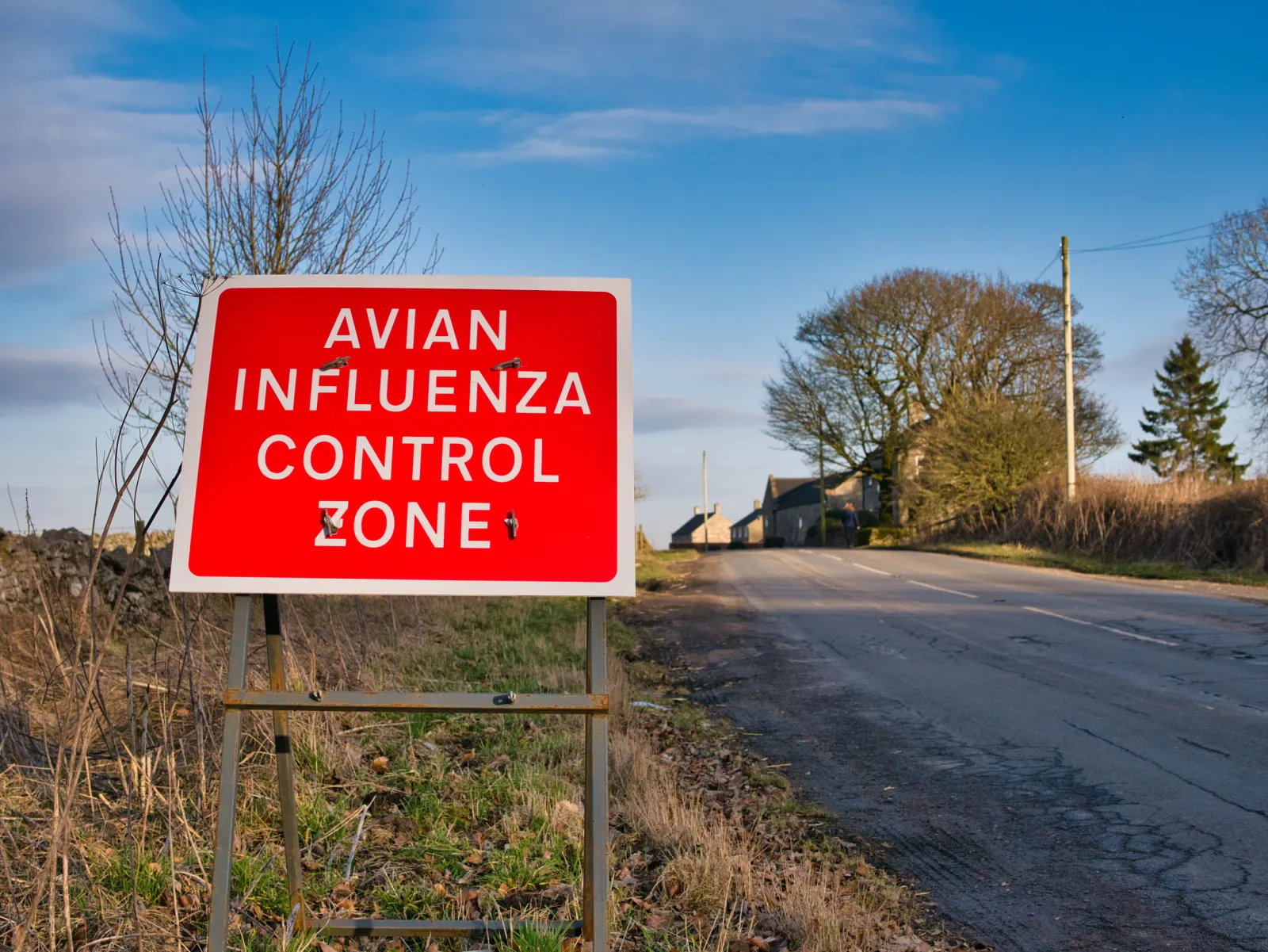
...
Arizona and Delaware have reported probable cases, though CDC testing did not confirm the presence of H5N1 in those samples. The virus has primarily spread through contact with infected birds and livestock, with no evidence of human-to-human transmission at this time.
The outbreak has also had significant economic consequence. Egg prices have surged primarily due to the ongoing bird flu outbreak, which has devastated poultry farms across the U.S. Millions of egg-laying hens have been culled to prevent the spread of the virus, drastically reducing supply. Additionally, supply-chain disruptions, transportation costs and new state regulations requiring cage-free egg production have all contributed to higher prices.
What Happens Next
Health officials will continue monitoring the outbreak, conducting surveillance and ensuring protective measures are in place for at-risk workers. The CDC and state agencies will provide updates as needed.
View 0 Comments
Submit Correction
View Editorial & AI Guidelines