...

By Gabe Whisnant
News Editor
0
Share
Newsweek is a Trust Project member
See more of our trusted coverage when you search.Prefer Newsweek on Googleto see more of our trusted coverage when you search.
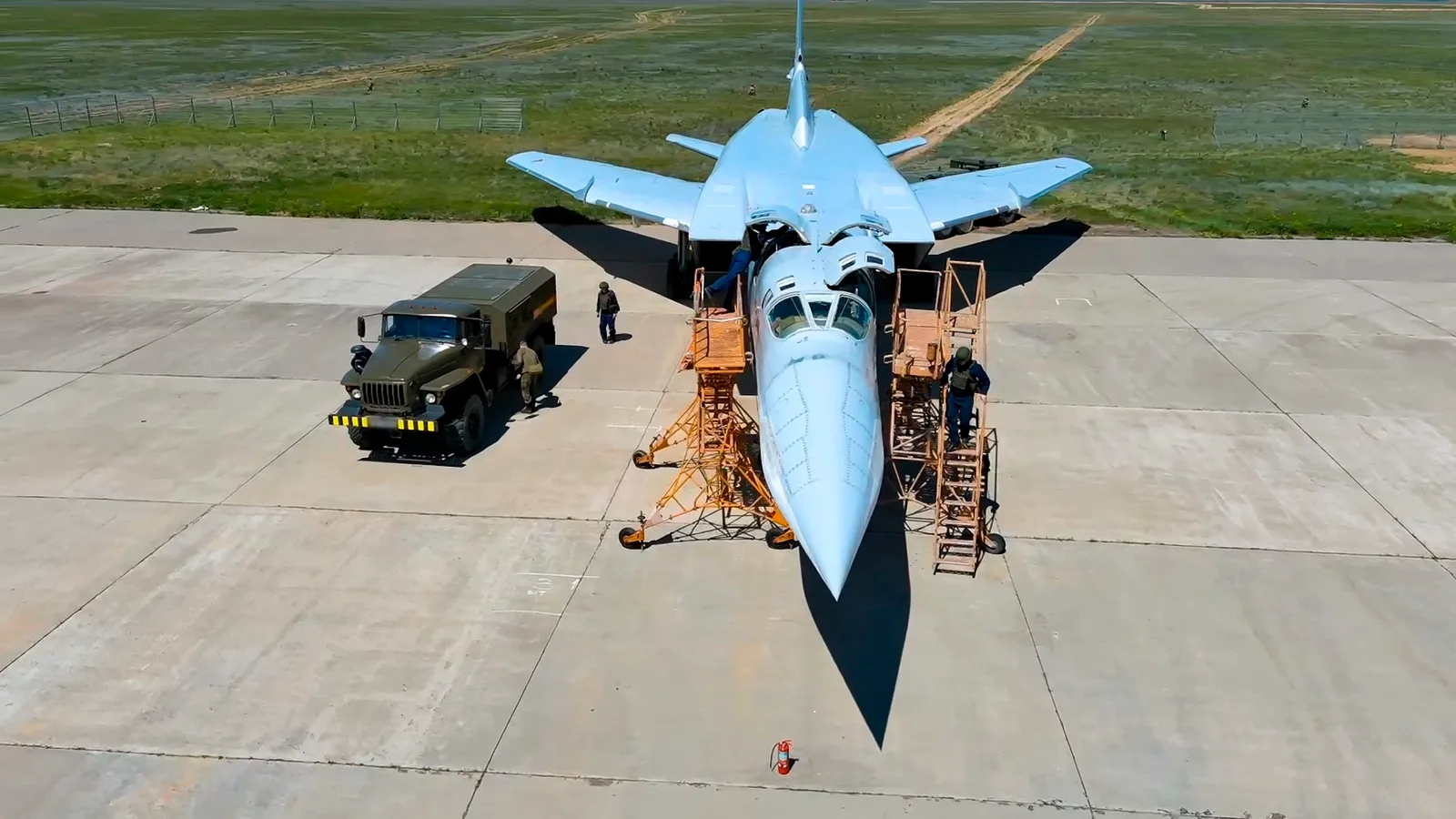
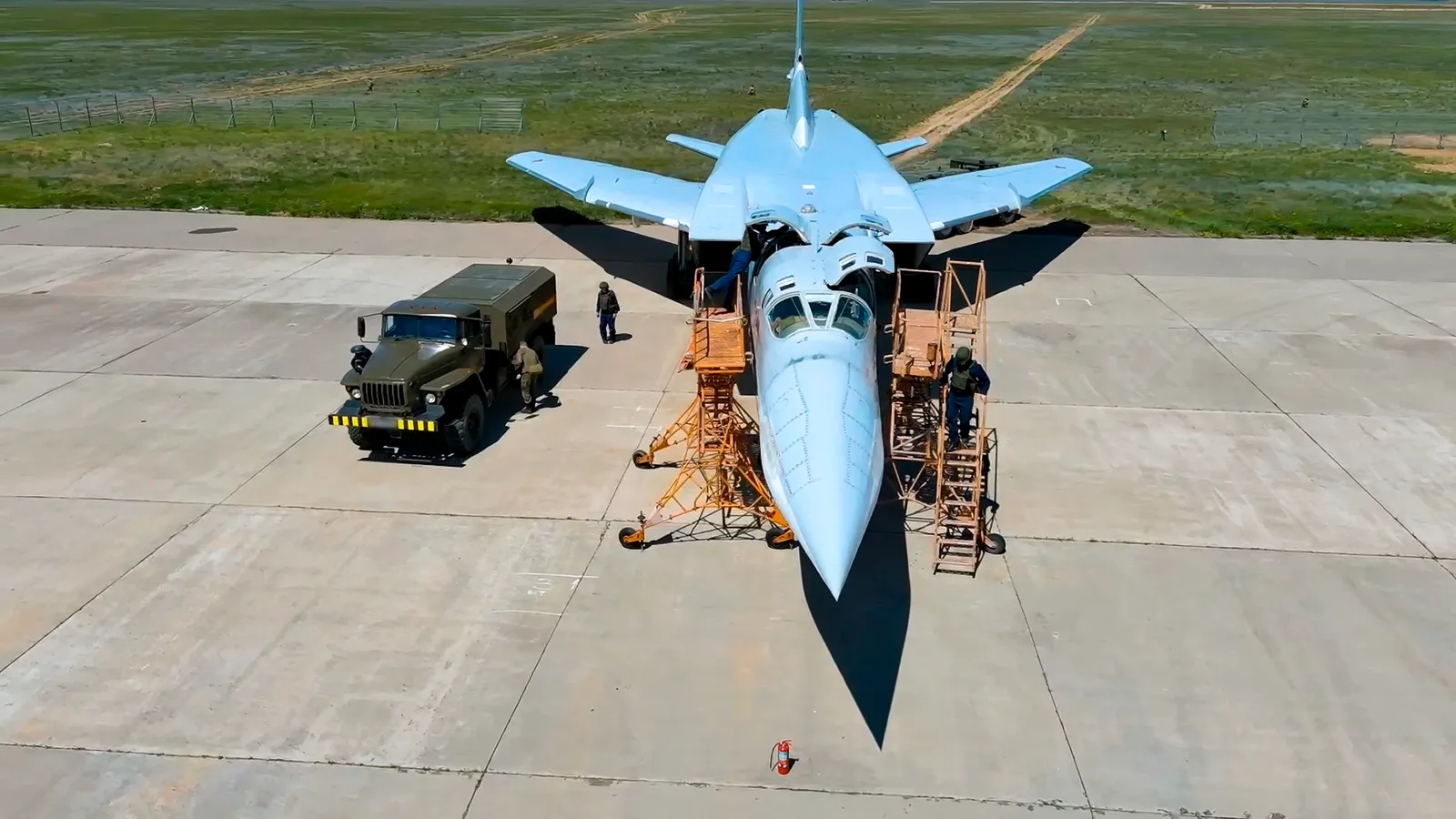
NATO fighter jets scrambled on Tuesday to intercept Russian military aircraft, including long-range bombers, that flew near alliance airspace over the Baltic Sea, an incident that underscores persistent tensions with Moscow along NATO's eastern flank.
According to NATO and French military officials, Russian long‑range bombers and escort fighters were detected flying over international waters near NATO airspace. Fighter jets from several alliance members, including France, Sweden, Finland, Poland, Denmark and Romania, were launched to identify and monitor the aircraft.
The Russian formation included two Tu‑22M3 supersonic bombers accompanied by roughly 10 fighter jets, including Su‑30 and Su‑35 aircraft, officials said. French Rafale fighters were dispatched from Šiauliai Air Base in Lithuania as part of NATO’s long‑running Baltic Air Policing mission.
Read More on World
Newsweek has reached out to the Russian Defense Ministry, NATO and the Pentagon via email on Tuesday afternoon for comment.
Russia’s Defense Ministry said the flight was scheduled and took place entirely over neutral waters, adding that Russian military aircraft routinely conduct long‑range missions over the Baltic and other regions in accordance with international airspace rules.
NATO frequently intercepts Russian aircraft operating near alliance airspace, saying many of the planes do not transmit identification signals or communicate with air traffic controllers. The alliance says such intercepts are defensive and intended to ensure safety and situational awareness.
The Baltic Air Policing mission has been in place since 2004, when Estonia, Latvia and Lithuania joined NATO, and has intensified since Russia’s invasion of Ukraine.
Why the Baltic Sea Is One of NATO’s Most Sensitive Front Lines
NATO’s decision to use fighter jets to intercept Russian military aircraft over the Baltic Sea this week underscores the growing strain along the alliance’s northern and eastern frontiers as Europe continues to grapple with the fallout from Russia’s war in Ukraine.
The Baltic region—bordering Russia and the heavily militarized enclave of Kaliningrad—has emerged as one of NATO’s most sensitive flashpoints. Member states, including Estonia, Latvia and Lithuania, have repeatedly warned that Russian air and naval activity near their borders has intensified since Moscow launched its full‑scale invasion of Ukraine in 2022.
This week’s incident follows a familiar pattern but carries heightened significance amid broader security pressures facing Europe. Russia’s war has pushed NATO to reinforce its eastern flank, expand troop deployments and accelerate defense spending, while Sweden and Finland’s recent accession has further shifted the region’s strategic balance.
European leaders say the air policing missions are defensive and routine, but acknowledge the risk of miscalculation as military activity rises on both sides. With no clear end to the Ukraine conflict in sight, the Baltic Sea remains a key arena where tensions between Russia and NATO play out in real time—often just miles from alliance airspace.
U.S. Politics Add to NATO's Uncertainty
The latest interception also comes amid renewed strains between Washington and its NATO allies under President Donald Trump, who has repeatedly criticized the alliance over burden‑sharing and questioned its value. Trump has pressed European members to sharply increase defense spending and has at times suggested the United States could reconsider its commitment to NATO, remarks that have unsettled allies already grappling with Russia’s war in Ukraine.
While administration officials have stressed that the U.S. remains committed to collective defense, European leaders have voiced concern that Trump’s rhetoric could weaken deterrence at a time when NATO is seeking to maintain unity and project stability along its eastern flank.
...
View 0 Comments
Submit Correction
View Editorial & AI Guidelines