...

By Aliss Higham
Reporter
0
Share
Newsweek is a Trust Project member
See more of our trusted coverage when you search.Prefer Newsweek on Googleto see more of our trusted coverage when you search.
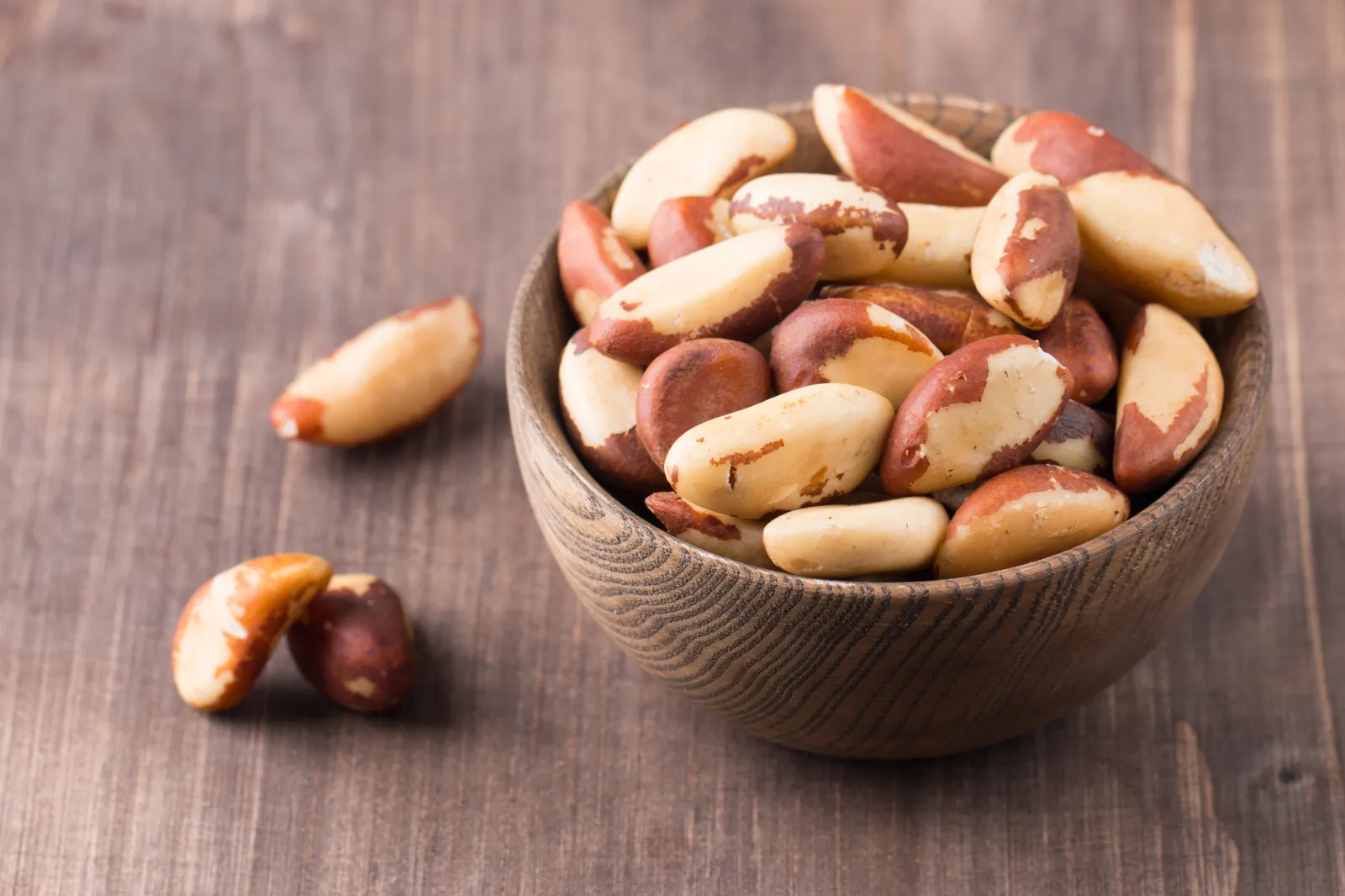
Bags of Brazil nuts have been recalled across the U.S. due to high levels of mold and yeast.
Illinois-based NOW Real Food's Whole & Unsalted Raw Brazil Nuts were first recalled on August 14, the U.S. Food and Drug Administration (FDA) reported. The affected products have now been given a Class II risk definition as of August 28.
A Class II recall is "a situation in which use of or exposure to a violative product may cause temporary or medically reversible adverse health consequences or where the probability of serious adverse health consequences is remote."
Read More on News
More From Newsweek Vault: What Is a Health Savings Account?
Affected products were sold nationwide, as well as in Singapore, and bear the lot code 3343549 and UPC code 733739070128, which can be found on the bar code. The items were sold in 12-ounce bags bearing a best before date of September 2025.
A spokesperson for NOW Foods told Newsweek: "NOW issued a voluntary recall of conventional raw Brazil nuts based on microbiological testing showing some units with total viable microbe counts higher than we specify as allowable limits."
The spokesperson said that, because the nuts are raw, "there is an increased chance for the product to naturally contain elevated levels of yeast and mold."
"We recognize that any levels of yeast, mold and viable bacteria are worrisome, and that's why we proactively set low/acceptable limits to ensure the safety of our products. As an additional safety check, the product was also tested for mycotoxins and did not show elevated levels," the spokesperson continued. "To date, we have not received any complaints or reports of illness associated with this product."
...
The FDA has reported that "both yeasts and molds cause various degrees of deterioration and decomposition of foods."
More From Newsweek Vault: Compare the Top Health Savings Account (HSA) Providers
"They can invade and grow on virtually any type of food at any time; they invade crops such as grains, nuts, beans, and fruits in fields before harvesting and during storage," the government agency said in an article. "They also grow on processed foods and food mixtures."
Mold cannot always be seen in foods, but some signs to look out for include "rot spots of various sizes and colors, unsightly scabs, slime, white cottony mycelium [fungus], or highly colored sporulating [forming spores] mold."
More From Newsweek Vault: Learn More About the Different Types of Savings Accounts
According to the Food Safety and Inspection Service, the presence of mold in food can cause allergic reactions and respiratory problems, and some strains can produce "mycotoxins," which are poisonous substances that can make you ill.
Infections are more likely in those who are immunocompromised, such as the elderly, people who are HIV positive, and anyone receiving chemotherapy or antibiotic treatment, the FDA warned.
Yeasts in foods are "generally not associated with foodborne illnesses," but certain yeasts can cause infections in humans and animals, according to the Encyclopedia of Food Sciences and Nutrition.
It is the second recall and classification associated with high yeast levels this month. Jars of J-Basket Brand "Napa Kimchi" produced by California-based JFC International were initially recalled on August 1 after they were found to contain high levels of yeast growth, and were also given a Class II risk definition.
Earlier this year, in California, numerous cannabis products were withdrawn after they were found to be contaminated with Aspergillus, a fungus that can grow on plants.
Update 09/05/24 at 5:10 a.m. ET; This article was updated with comment from NOW Foods.
View 0 Comments
Submit Correction
View Editorial & AI Guidelines