...

By Anna Skinner
Associate News Editor
0
Share
Newsweek is a Trust Project member
See more of our trusted coverage when you search.Prefer Newsweek on Googleto see more of our trusted coverage when you search.
When a cat was spotted intently “watching” NASA’s Artemis II mission, the adorable moment quickly blasted off on social media after a playful response from the space agency proved even rocket science has a soft spot for whiskers.
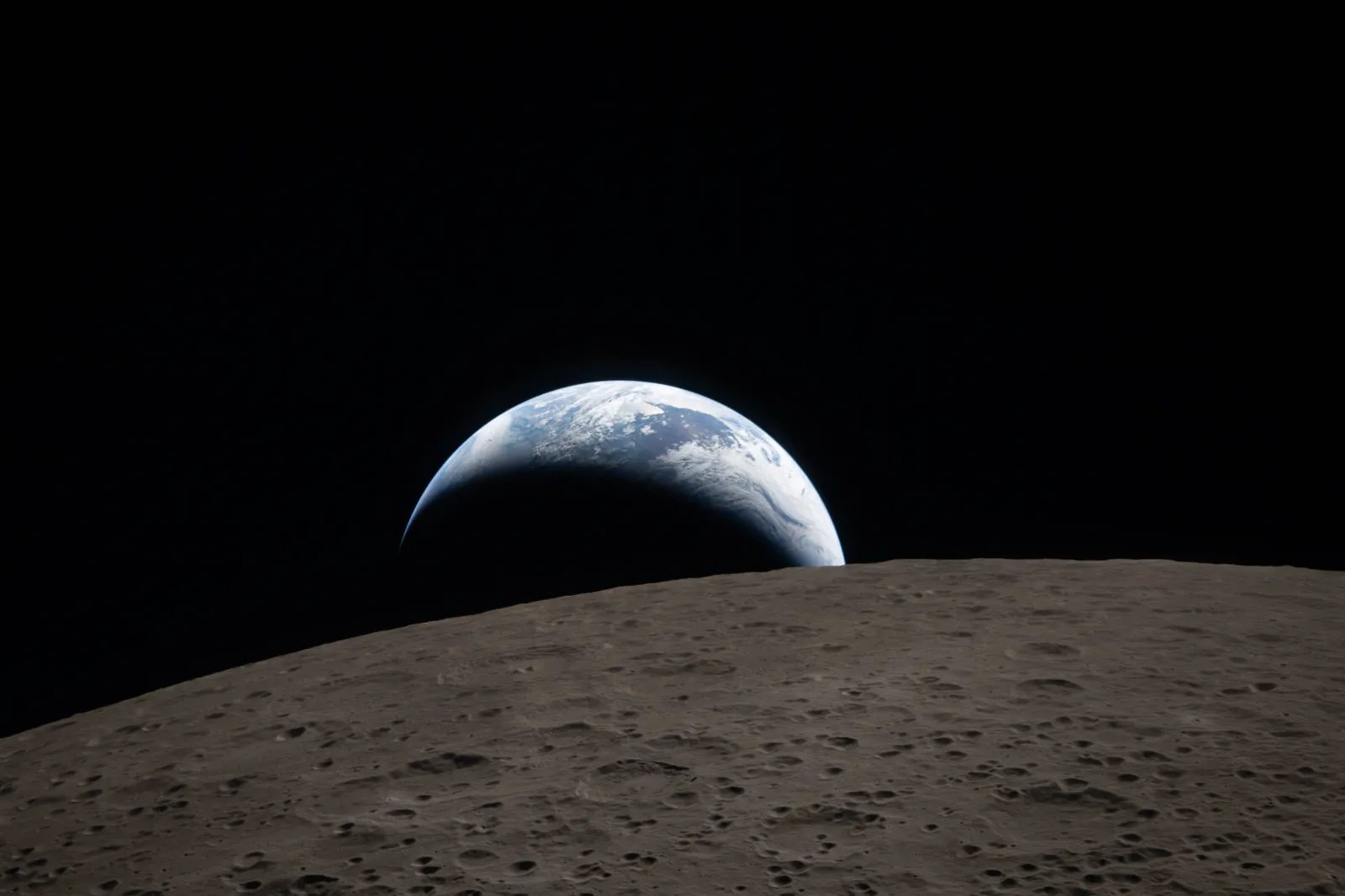
The viral exchange began after X account @alltooriah, which belongs to Mariah Garrett, posted a photo of her cat faced toward the television during NASA's livestream of the Artemis II mission on Monday. The post quickly took off online after NASA leaned into the moment by responding as Artemis II continues its historic crewed flight around the moon. While the exchange was playful, it also underscored NASA’s broader effort to engage the public during key moments of the mission, using social media to connect with audiences beyond traditional spaceflight coverage.
...
Read More on News
"teaching my cat about artemis II, space and our beloved moon," Garrett said in the original post.
"Tell your cat the Artemis II crew said pspsps," NASA responded shortly after the post was made, referencing a common sound people make to get a cat’s attention.
As of shortly before 2 p.m. ET Tuesday, NASA's response had been viewed 3.7 million times. Garrett responded several hours later with another cute picture of her cat.
"he’s screaming with joy at this response and wants to know if he can join the next mission," she wrote.
Garrett did not expect NASA to reply, she told Newsweek in a message on X.
"i had been following along the journey all day via the livestream (i’m very into space!) and i just thought it was cute that my cat decided to actually take interest in it rather than just taking a catnap on my lap," she said. "i also didn’t even tag NASA so it was quite the surprise! but a very nice one since its such a special historical event! it felt nice to play a tiny part in it."
Her cat, Miles, will be 10 in September.
"Miles is ALWAYS on my lap but he typically doesn’t watch tv with me because he’d rather nap lol! but he seemed extra attentive to the NASA livestream," Garrett told Newsweek.
NASA has used social media throughout the Artemis II mission to make a complex, high‑stakes spaceflight more accessible and engaging for the public, offering real‑time updates, behind‑the‑scenes glimpses and moments of levity alongside major mission milestones.
Through platforms like X, Instagram and YouTube, the agency has shared live coverage, crew videos, mission graphics and timely explanations that help contextualize the spacecraft’s progress as it travels around the moon. By pairing technical information with human moments and responsive engagement, NASA has broadened its reach beyond traditional space audiences, reinforcing public connection to Artemis II and sustaining interest in the program’s goal of returning humans to lunar orbit—and eventually the lunar surface.
What Is the Purpose of Artemis II?
The purpose of Artemis II is to test NASA’s deep‑space systems with astronauts aboard for the first time in the Artemis program, ensuring everything works safely before humans return to the moon’s surface during later Artemis missions.
Where Will Artemis II Land?
As of the most recent update from NASA, Artemis II is scheduled to splash down off the coast of San Diego at about 8:07 p.m. ET on Friday.
"Following splashdown, recovery teams will retrieve the crew using helicopters and deliver them to the USS John P. Murtha," NASA said in a webpage detailing the event. "Once aboard, the astronauts will undergo post-mission medical evaluations in the ship’s medical bay before traveling back to shore to meet with an aircraft bound for NASA’s Johnson Space Center in Houston."
View 0 Comments
Submit Correction
View Editorial & AI Guidelines