10
Loading video...


By Lucy Notarantonio and Talilla Henchoz
0
Share
Newsweek is a Trust Project member
See more of our trusted coverage when you search.Prefer Newsweek on Googleto see more of our trusted coverage when you search.
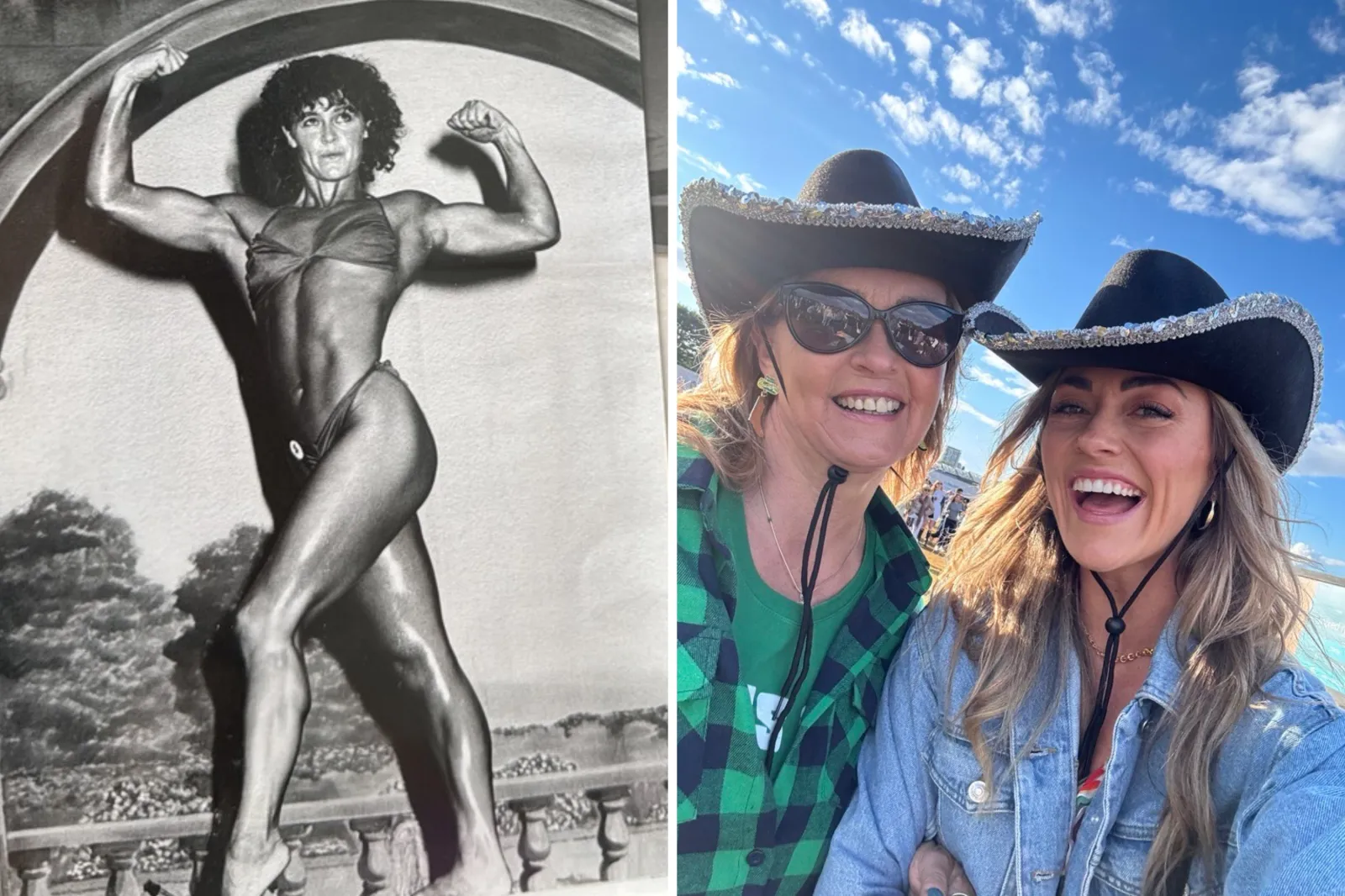
Growing up, my mom was the fittest and strongest person I knew. She competed as a gymnast at a national level, represented Great Britain, later became a bodybuilder, and went on to work in gyms.
Fitness, family and adventure were at the heart of who she was. When my brother and I were five and seven years old, my parents pulled us out of school so we could travel the world for two years while mom homeschooled us.
She was always full of energy, lit up every room she walked into, and taught us to live life to the fullest.
Read More on My Turn
That's why, when she started withdrawing from us in her early 50s, something didn't feel right.
...
We noticed changes in her personality such as unusual mood swings, depression and she began isolating herself. It was completely unlike her. She had always been a family-oriented person.
At the time, doctors said it might be a midlife crisis, menopause, or one of the many changes women commonly experience at that age.
She seemed far too young for anyone to suspect a neurological condition.
The uncertainty caused chaos in our family and rocked everyone's world. Looking back now, I wish we could have supported her more, but we simply didn't know what was happening.
Then, at 57, she began experiencing language loss and was struggling to form sentences properly. After a series of tests, she was diagnosed with early-onset Alzheimer's, a disease that affects around 7.75 million people worldwide aged 40 to 64.
Receiving the diagnosis was both a relief and a heartbreaking realization.
Doctors carried out tests and prescribed medication that might slow the disease's progression, but there is no cure.
The diagnosis felt especially shocking because dementia is something most people associate with old age. We initially struggled to accept it because of mom's age and kept returning for more tests, convinced there had to be another explanation.
At the time, mom understood her diagnosis and knew what was coming which had a significant impact on her mental health.
My brother and I were both in our 20s when we took on power of attorney. It was a massive shock. Mom could no longer drive, and it felt as though so much of her independence had been taken away.
We felt scared as there is no cure, only medication that might slow the disease's progression.
Over time, we learned that grief doesn't only happen when someone dies. We began mourning the loss of our mom while she was still here, watching her gradually change before our eyes.

...
It has been the most devastating thing our family has ever been through.
Seven years on from her diagnosis, mom still lives at home but now has support from her wonderful full-time carers. As she can't cook for herself, needs medication to be administered, and requires prompting for most everyday tasks.
It's been difficult, but one of the biggest lessons we've learned is that life doesn't end with a diagnosis.
At first, we wrapped mom in cotton wool, wanting to protect her from everything. Now I believe that was the wrong approach for all of us.
Movement, music and shared experiences have become incredibly important. Dancing and music are now our language with her. Even without words, we can dance together, walk together and do things that bring her joy.
It's important to help people living with Alzheimer's maintain their identity and confidence. They deserve that.
Mom still remembers her bodybuilding days and remains incredibly proud of those achievements.
For a long time, I was tempted to keep everything private. But I realized there are so many families quietly living through similar experiences.
Today, we refuse to give up on mom. I regularly share our outings on Instagram @talillahenchoz, including a video of us wedding dress shopping.

...
I'd always imagined sharing that moment with her, but given her condition, I didn't know whether she would understand what was happening. It was terrifying.
I questioned whether I should take her at all. The disease had already taken so much from her, but I was determined not to let it take this experience too.
In the end, it became one of the most beautiful days we've shared. When I tried on the first dress, we both cried.
Mom smiled and tears filled her eyes. She couldn't tell me exactly how she felt, but I knew she was so proud and happy.
Until then, I wasn't sure moments like that were still possible.
That day taught me that you can't give up on people living with Alzheimer's. You have to keep trying and keep showing up.
Even now, mom still talks about the dress-shopping trip. Her short-term memory is very limited, but certain experiences can still spark memories and emotions.
If sharing our story helps even one family recognize that dementia can affect younger people or encourages someone to keep making memories with a loved one, then it will be worth it.
Alzheimer's has changed our lives forever, but it hasn't taken away mom's ability to feel joy, love and connection. Those moments still matter, and we cherish every one of them.
Talilla Henchoz, 32, is an online fitness coach from Surrey. She shared her family's story to raise awareness of early-onset Alzheimer's after watching her mother, Debbie Henchoz, 64, a marketing manager for gyms and grandmother to one, navigate the condition.
Contact Newsweek editors on this story: Charlotte Nisbet and Emma Lee-Sang
View 0 Comments
Submit Correction
View Editorial & AI Guidelines