10
Loading video...

By Daniella Gray
Reporter
0
Share
Newsweek is a Trust Project member
See more of our trusted coverage when you search.Prefer Newsweek on Googleto see more of our trusted coverage when you search.
A mom from Nevada thought her son was healthy and thriving, until a TikTok video revealed chilling similarities that changed their lives forever.
At the time, the signs felt easy to explain away. In a post on social media, Alley Stanley (@alleybeckstanley) revealed the subtle signs that led her to fight for a diagnosis.
Her son, Stone, had a "cute little button nose," a mild language delay and fluid behind his eardrums that required ear tubes.
Read More on Family & Parenting
He developed an inguinal hernia at age 3; something surgeons reassured Stanley was common in boys. He had slightly knocked knees and a large head, both of which ran in her family. Doctors told her to "just wait and see," but their reassurance wasn’t comforting.
"Something in me just kept nagging quietly, what if?" Stanley told Newsweek. Even after a pediatric geneticist told her everything looked fine, she needed certainty. "Up until that point, all we had were opinions, and those just weren’t enough for me."
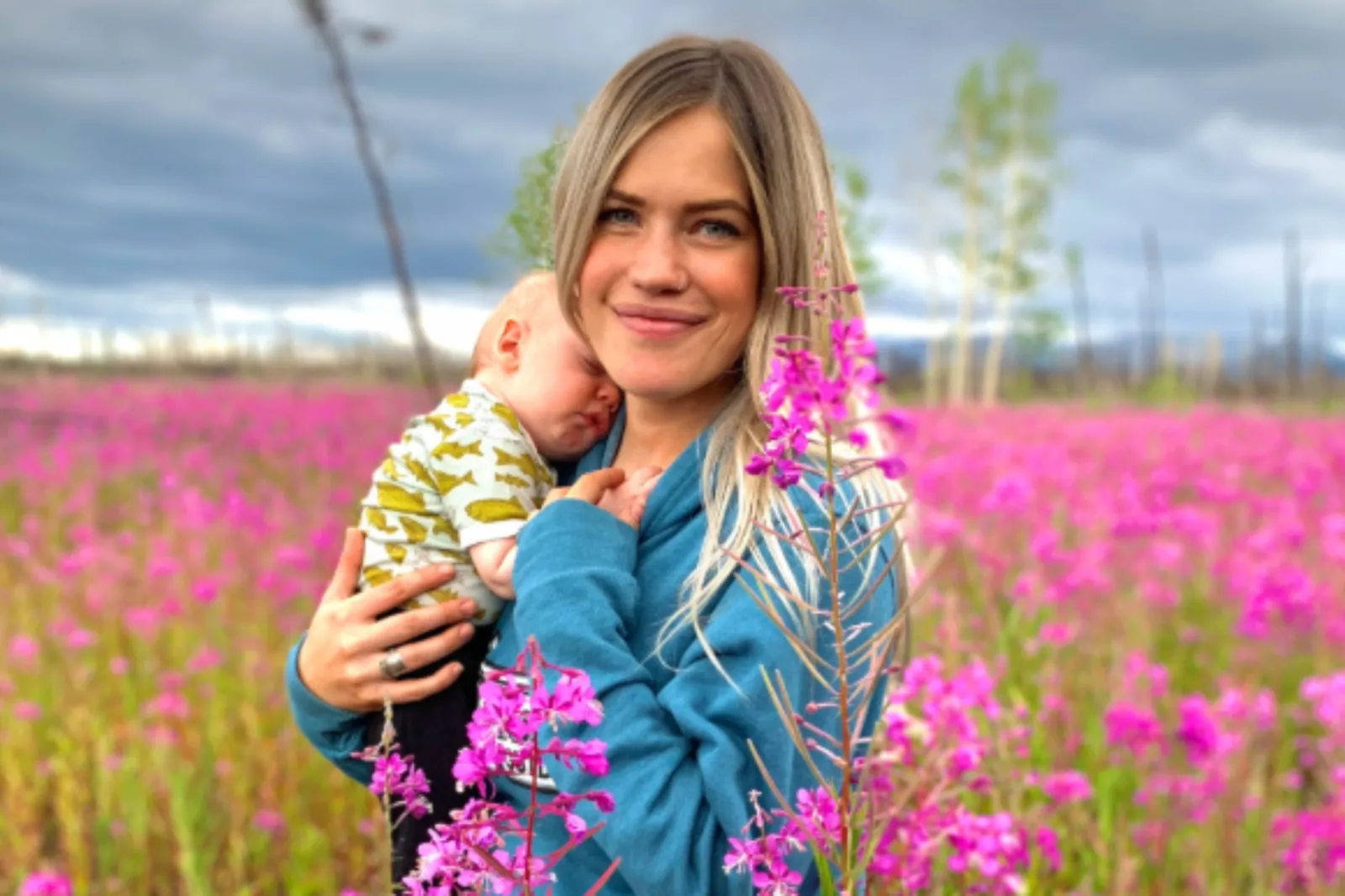
...
Testing confirmed her fear. Stanley's son was diagnosed with MPS II, also known as Hunter Syndrome—a rare, progressive genetic condition.
In the weeks leading up to the diagnosis, Stanley, who is also mom to Stone’s older brothers Carson and Dexter, and his younger sister Hayes with husband John, barely slept or ate, consumed by research and doubt.
"I don’t think there are any words to describe a life [altering] event like this," Stanley said. "I drove myself out of my mind wondering if I had imagined it all or if I was about to unravel our lives with my discovery. It was truly torture, but actually confirming my fears was a hell I don’t think anyone can ever prepare you for."
MPS II is caused by the absence of an enzyme needed to break down certain cellular waste. Without it, toxins slowly build up in the brain, organs, joints—every body system. "It doesn’t stop or give you a break," Alley said. "It’s always moving."
Day-to-day life is a constant balancing act: managing behaviors when her son becomes overwhelmed, watching for signs of regression, juggling appointments and therapies, and staying hyperaware of his breathing, sleep and pain.
"At the same time, it’s fighting to give him as normal of a life as possible," Alley said. "Letting him be a kid, while carrying the weight of a disease that doesn’t play fair. There’s no version of parenting that prepares you for this. I’m just learning to live in it and fight like hell for better options."
There is currently one FDA-approved treatment: a weekly enzyme replacement therapy that helps the body but cannot reach the brain.
Newer treatments that can cross the blood-brain barrier are in clinical trials, and Alley said Stone has shown "remarkable" progress in one of them.
But she fears the future of those treatments is uncertain. Alley has become an outspoken critic of what she described as regulatory delays affecting rare-disease therapies, arguing that bureaucracy—not science or funding—is now the biggest obstacle families face.
Alley said biotech companies cannot continue investing hundreds of millions of dollars into safe, effective treatments only to see them repeatedly rejected, a pattern that is driving smaller firms into bankruptcy and pushing them out of the rare-disease space altogether.
"No one should ever have to fight this hard to keep their child alive," she said. "We can not continue on this path. Something must be done."
The clinical trial Stone is enrolled in is now at risk of ending due to regulatory uncertainty, leaving families with no viable alternatives.
Shortly after sharing those concerns, Alley received unexpected news: the treatment the family had been awaiting a decision on had been approved.
It is a major breakthrough for families like hers: "This will be the first enzyme replacement therapy that is capable of treating the brain available to our kids in the USA," she said.
View 0 Comments
Submit Correction
View Editorial & AI Guidelines