...

By Dan Gooding
Associate News Editor
0
Share
Newsweek is a Trust Project member
See more of our trusted coverage when you search.Prefer Newsweek on Googleto see more of our trusted coverage when you search.
Minnesotan, Texan, and federal officers tracked down and arrested a U.S. Immigration and Customs Enforcement (ICE) agent Friday in connection with the shooting of a Venezuelan immigrant in Minneapolis during the height of tensions in the city in January.
Announcing Christian Castro's arrest in Texas, Hennepin County Attorney Mary Moriarty said she would "pursue accountability" for the incident in which Julio Cesar Sosa-Celis was shot in the leg during an attempted arrest of another immigrant. Castro was charged with four counts of second-degree assault and one count of falsely reporting a crime in connection with the January 14 incident.
Department of Homeland Security Office of the Inspector General agents were involved in Castro's arrest, alongside the Texas Rangers and the Minnesota Bureau of Criminal Apprehension (BCA).
Read More on U.S.
"In Minnesota, we believe in equal justice under the law. That means nobody is above the law, including agents of the federal government," Minnesota Attorney General Keith Ellison said in a press release. "I am pleased to hear Christian Castro has been taken into custody and will stand trial for the crimes he allegedly committed in Minnesota. Justice demands no less."
The non-fatal shooting happened in the days between the deadly incidents involving U.S. citizens Renee Nicole Good and Alex Pretti. Local authorities have struggled to seek prosecutions for the federal agents connected with their deaths.
What is Castro Accused Of?
...
Castro, 52, was charged earlier in May in connection with the shooting of Julio Cesar Sosa-Celis in Minneapolis on January 14.
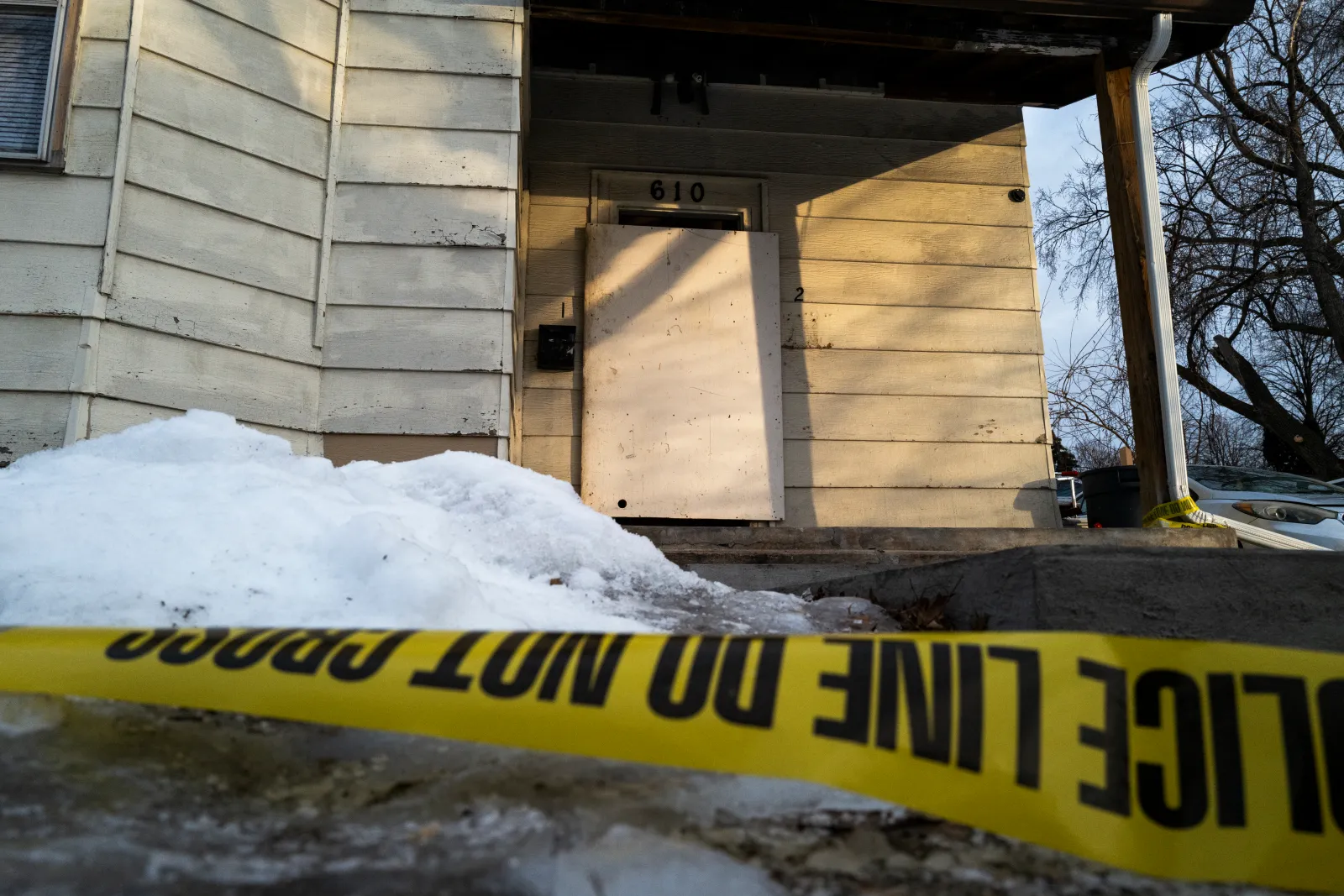
The agent and another officer had chased another man, Alfredo Alejandro Aljorna, into a duplex apartment where the pair lived. Both had legal status, Moriarty has said.
Officers initially alleged that Aljorna violently resisted arrest and that Sosa-Celis and another man allegedly tried to intervene by attacking the officer with a shovel and broom handle, per an FBI investigator's affidavit. At that point, Sosa-Celis was shot in the leg by a federal agent before fleeing into a nearby apartment. He was then detained.
Agents were later accused of lying under oath and were placed under investigation. Video published in April appeared to contradict the original official version of events. DHS said that the U.S. Attorney's Office was investigating the accusations around alleged false statements.
"Christian Castro's alleged shooting of Julio Sosa-Celis appears unwarranted, as evidenced by the lies Castro told his ICE supervisors to justify his unlawful actions. He remains innocent unless and until proven guilty," Ellison said Friday.
"I'm grateful to the Minnesota Bureau of Criminal Apprehension and the law enforcement agents who took Castro into custody, and to Hennepin County Attorney Moriarty and her team for their partnership in this important work."
A Department of Homeland Security spokesperson told Newsweek that Moriarty's actions were "unlawful and nothing more than a political stunt."
"This is a federal issue, and it must be handled at the federal level," the spokesperson said. “Lying under oath is a serious federal offense. The U.S. Attorney’s Office is actively investigating these statements. Upon conclusion of the investigation, the officers may face disciplinary action, including termination of employment, as well as potential criminal prosecution."
It was not immediately clear if Castro had hired an attorney.
How Can Castro Be Prosecuted?
While there are usually exemptions for federal agents when it comes to prosecutions for their actions while performing official duties, Moriarty appears to be confident of securing a conviction.
In a video shared following the announcement of Castro's arrest warrant, the County Attorney said a case would be filed in the district court where the alleged crime occurred. The suspect could then seek the case's removal to federal court.
If the defendant does file a notice of removal, within 30 days of first appearance, then the state court procedure is put on hold.
A hearing would then take place in the federal district court in Minnesota, with a judge needing proof that the federal agent's claim is more likely true than not, including that the charges they face are related to official federal duties.
If the judge orders the case moves to federal court, then the County Attorney's Office would still prosecute the case under state law.
The agent could seek supremacy clause immunity, but the judge would need to apply a two-part test: again, whether they were performing an official act, and whether the agent did no more than what was necessary and proper for them to do.
If the case continued, and the agent was convicted, then they would not be eligible for a presidential pardon. If the case was sent back to the state court, then the trial could continue there.
...
Wider Tensions in Minneapolis
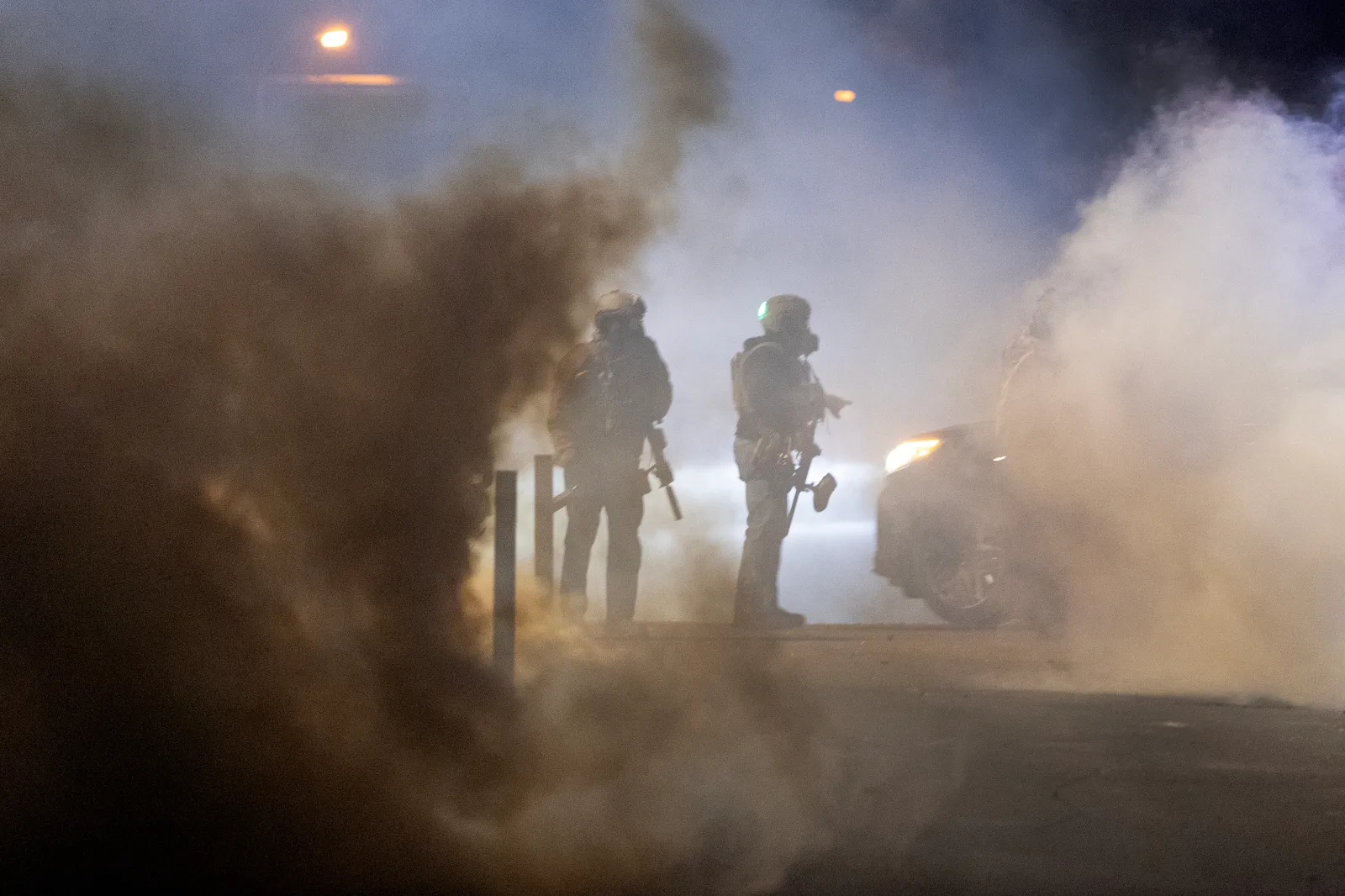
Sosa-Celis' shooting came in the days between Good and Pretti's deaths, as federal agents clashed with immigrants and American citizens in neighborhoods around the city.
Good was shot by an ICE agent while trying to leave the scene of an enforcement action, as locals protested federal agents' sweeping arrests as part of Operation Metro Surge.
The Trump administration accused her of trying to strike an agent with her vehicle, prompting the agent to shoot, although video footage led to that account being widely disputed.
Protests erupted across the country following Good's death, with heightened tensions between ICE, the Border Patrol and Minnesota locals. Pretti was then shot by a Border Patrol officer during one of the protests, again accused of seeking to obstruct agents, which his friends and family denied.
Officials in the state sought to investigate the shootings but saw their efforts blocked, with Trump administration officials saying they had authority over the case.
View 0 Comments
Submit Correction
View Editorial & AI Guidelines