...

By Jordan King
Reporter
0
Share
Newsweek is a Trust Project member
See more of our trusted coverage when you search.Prefer Newsweek on Googleto see more of our trusted coverage when you search.
Mexico has been rocked by retaliatory attacks from the Cartel de Jalisco Nueva Generación, known in English as the Jalisco New Generation Cartel (CJNG), following the death of its leader Nemesio Oseguera Cervantes, aka "El Mencho.”
Mexico’s Ministry of Defense said he was wounded in a raid on Sunday in Tapalpa, Mexico, and died en route to Mexico City.
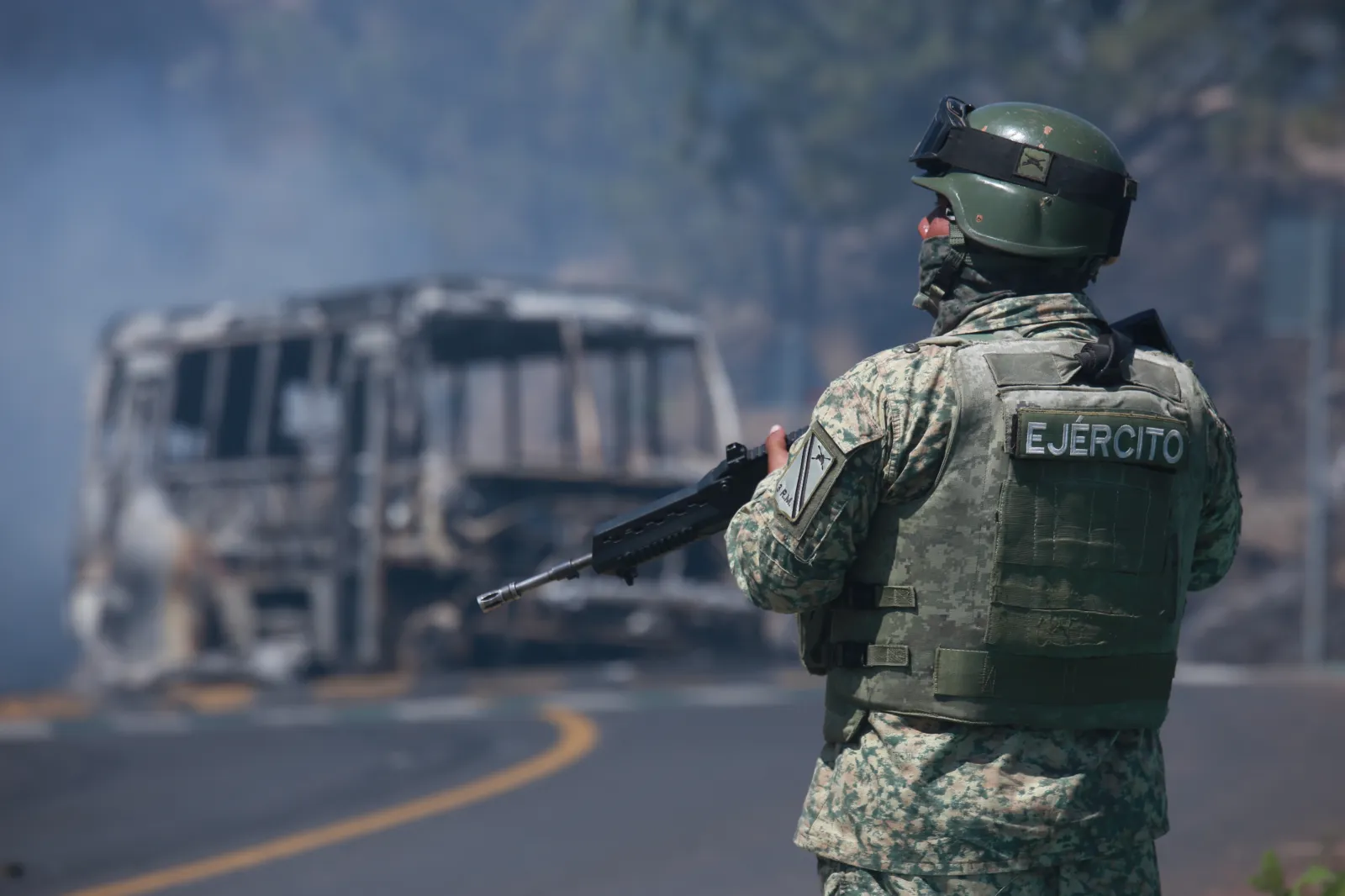
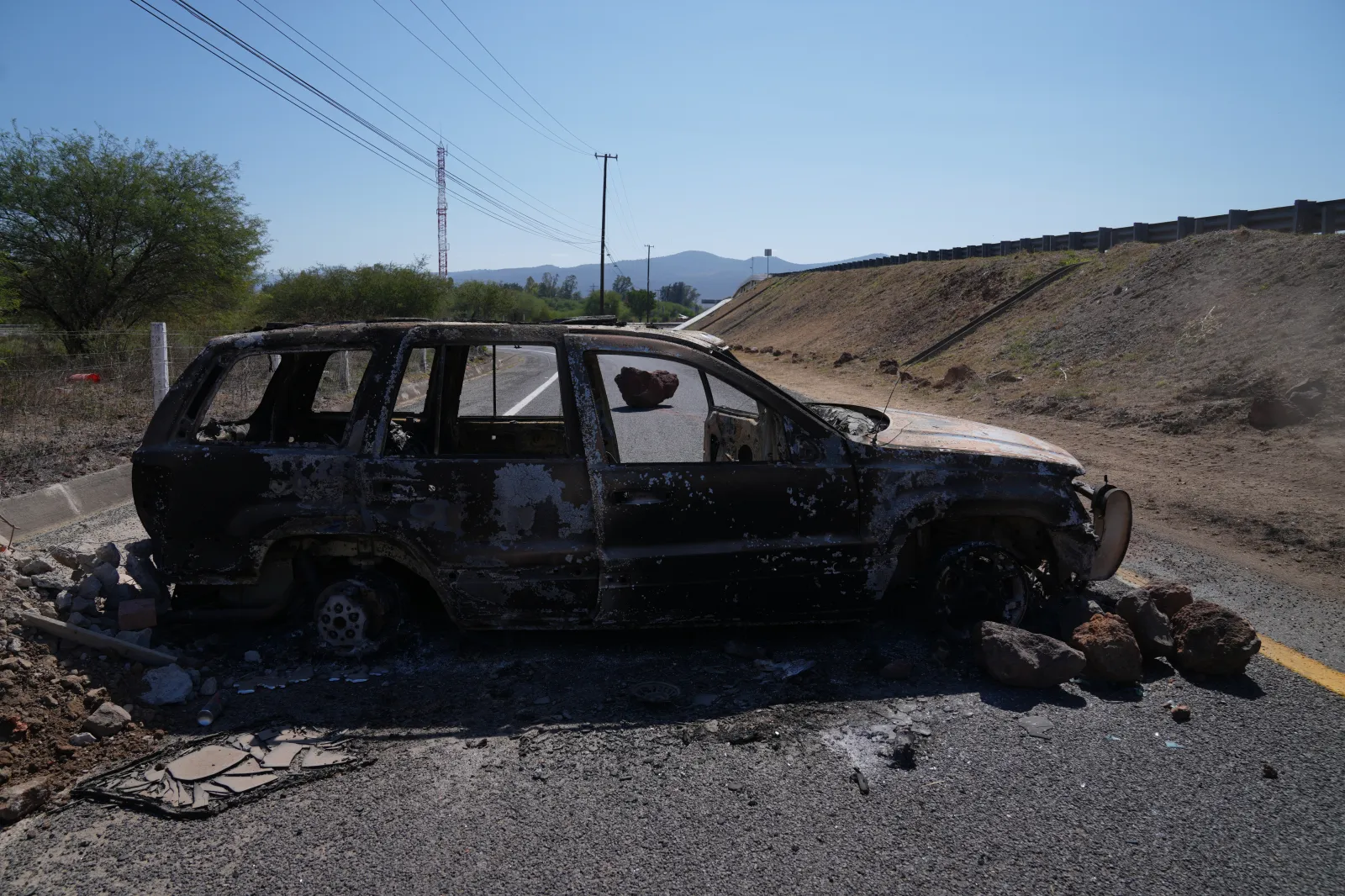
Cartel members have retaliated in multiple ways, with burned-out cars blocking roads at more than 250 points across 20 states as of Wednesday, Mexican authorities said.
Read More on News
Photos show supermarkets burned down, dead bodies lying on the street, cars set alight, and smoke billowing into the sky across multiple Mexican cities.
The violence has thrust CJNG into the spotlight, a group described as “one of the most powerful and violent cartels in Mexico” by the U.S. National Counterterrorism Center.
...
Who Are The CJNG?
CJNG, founded in 2009, is one of the main suppliers of cocaine to the U.S. and earns billions from the production of fentanyl and methamphetamines.
After splitting from the notorious Sinaloa Cartel in 2010, CJNG, designated a foreign terrorist organization by U.S. President Donald Trump, expanded across Mexico and is now the Sinaloa Cartel’s main competitor.
It is “responsible for a significant portion of fentanyl” and other drug flows into the U.S., Australia, and Canada, as well as to many countries in Africa, Asia, Central and South America and Europe, for which it makes billions of dollars annually, according to the U.S. National Counterterrorism Center.
“CJNG’s ruthless ambition to expand its operations has led the organization to deploy kidnappings, torture, bombings, and executions of civilians, Mexican politicians, and military and law enforcement officers,” the U.S. Department of the Treasury said last year.
CJNG operated throughout Mexico, but it has strongholds in Jalisco, Nayarit, and Colima.
...
Public Executions
One of CJNG’s measures of “extreme violence” is to carry out public executions and display the bodies, “often publicizing these acts on social media or leaving threatening messages,” the National Counterterrorism Center says.
An example of this took place in August 2019, when 19 bodies were found in Uruapan, Michoacán, west-central Mexico. Seven were left hanging from a highway overpass, alongside a banner in which CJNG claimed responsibility, while other bodies were found dismembered or dumped in bags, local media reported at the time.
Civilian Kidnappings and Mass Graves
CJNG has kidnapped and "disappeared" civilians, according to the U.S. National Counterterrorism Center and multiple local media reports.
Last year, the state of Jalisco, one of CJNG’s strongholds, was set to close 2025 with a record number of missing persons—16,045, according to the Mexican outlet Meganoticias.mx.
It is not known how many of these are linked to the CJNG, but last February, the Spanish outlet Infobae reported that most complaints were filed from the same municipalities where armed CJNG convoys are often seen.
Local sociologist Jorge Ramírez, of the University of Guadalajara, said at the time that it is “undeniable that the CJNG is largely involved behind the phenomenon of disappearances in Jalisco.”
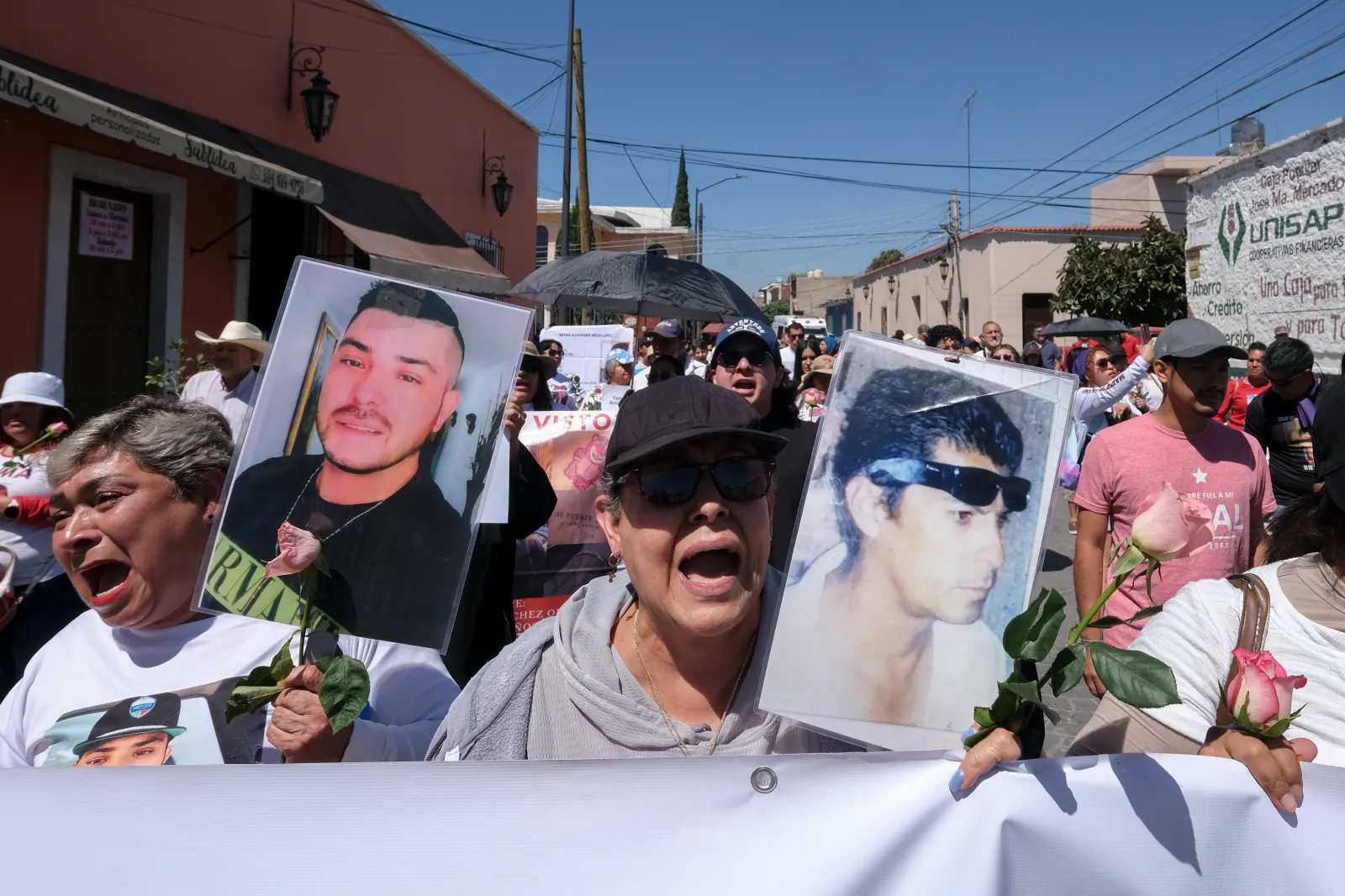
As of Thursday, there are still 12,576 missing persons recorded for Jalisco, according to Mexico’s National Registry of Missing and Unlocated Persons. This is the third-highest number, behind the state of Mexico (14,703) and Tamaulipas (13,682).
...
After mass graves and cremation ovens were discovered in Teuchitlán, Jalisco, and Reynosa, Tamaulipas, last March, Amnesty International said Mexico has a “serious crisis of disappearances” and linked it to “violence and insecurity” across the country.
It told how the crisis has given rise to groups of “searchers,” mostly women, who look for people who have suddenly vanished from their loved ones’ lives.
Execution Ranch
Before “El Mencho’s” death, CJNG made major headlines around the world last March, when a recruitment camp, Izaguirre ranch, was discovered.
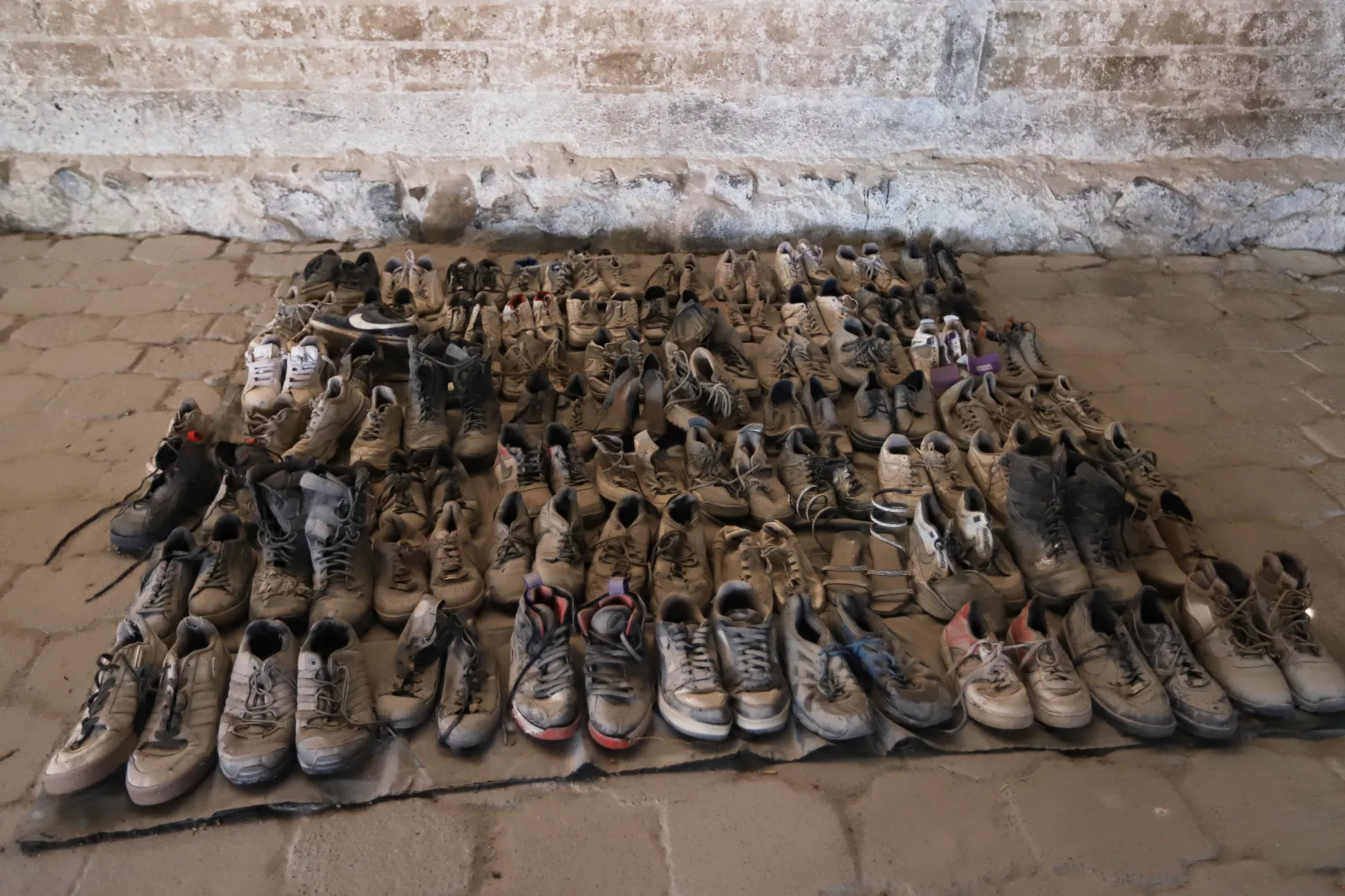
The ranch, located in Jalisco, was used to execute “recruits that defy instructions,” the U.S. Department of the Treasury said.
“Searcher” group Guerrero Buscadores de Jalisco reported charred human bones and hundreds of clothing items and shoes at the site, according to the Associated Press.
...
An Uncertain Aftermath
The death of “El Mencho” has not marked the end of the Jalisco New Generation Cartel’s campaign of violence, but rather exposed the scale and brazenness of its operations. From public executions and mass disappearances to retaliatory attacks that paralyze entire cities, CJNG has built its power on spectacle and fear.
As Mexican authorities respond to the latest unrest, attention is turning to how the organization will function without its longtime leader and whether security conditions will shift in the weeks ahead.
View 0 Comments
Submit Correction
View Editorial & AI Guidelines