...

By Sam Stevenson
Associate News Editor
0
Share
Newsweek is a Trust Project member
See more of our trusted coverage when you search.Prefer Newsweek on Googleto see more of our trusted coverage when you search.
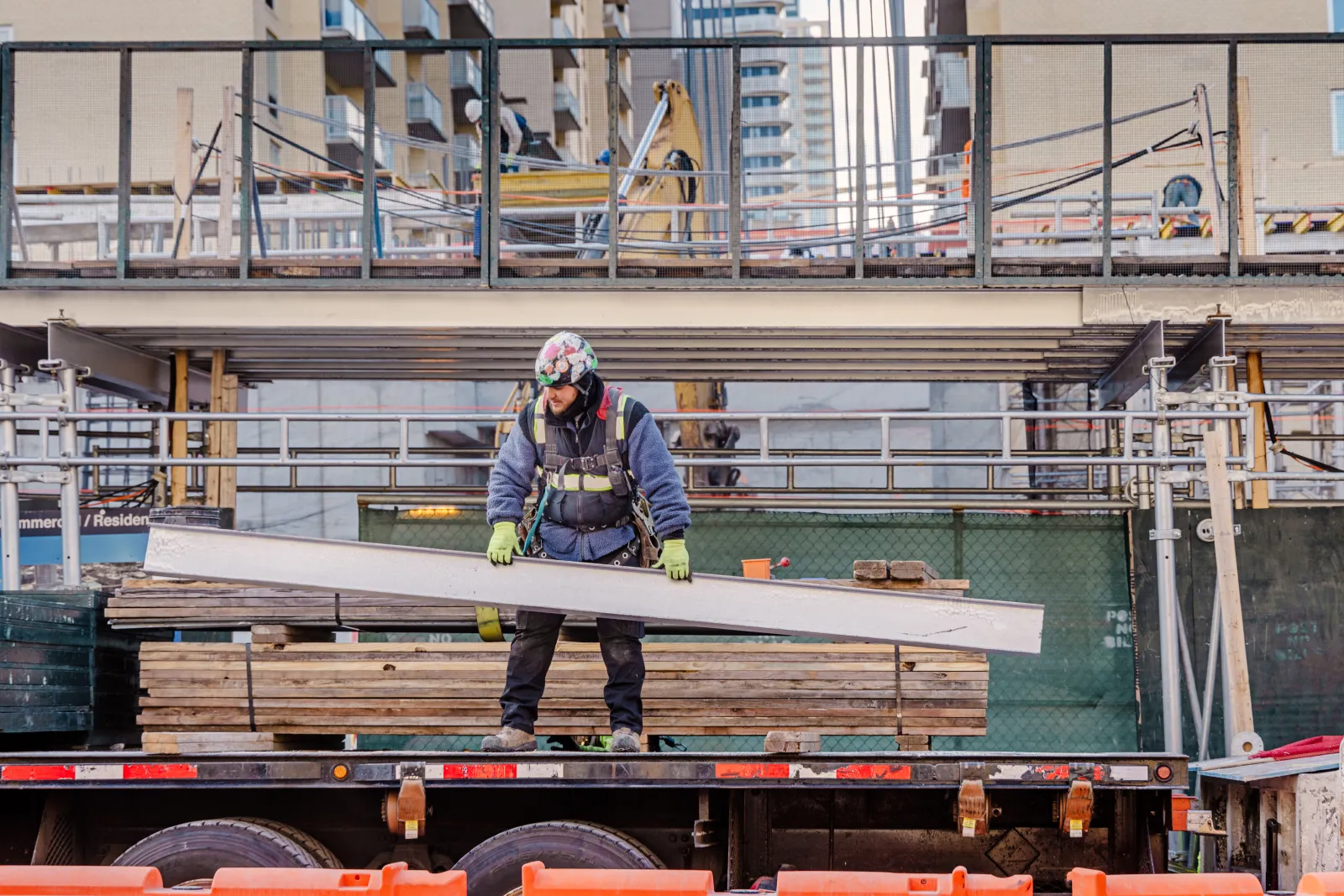
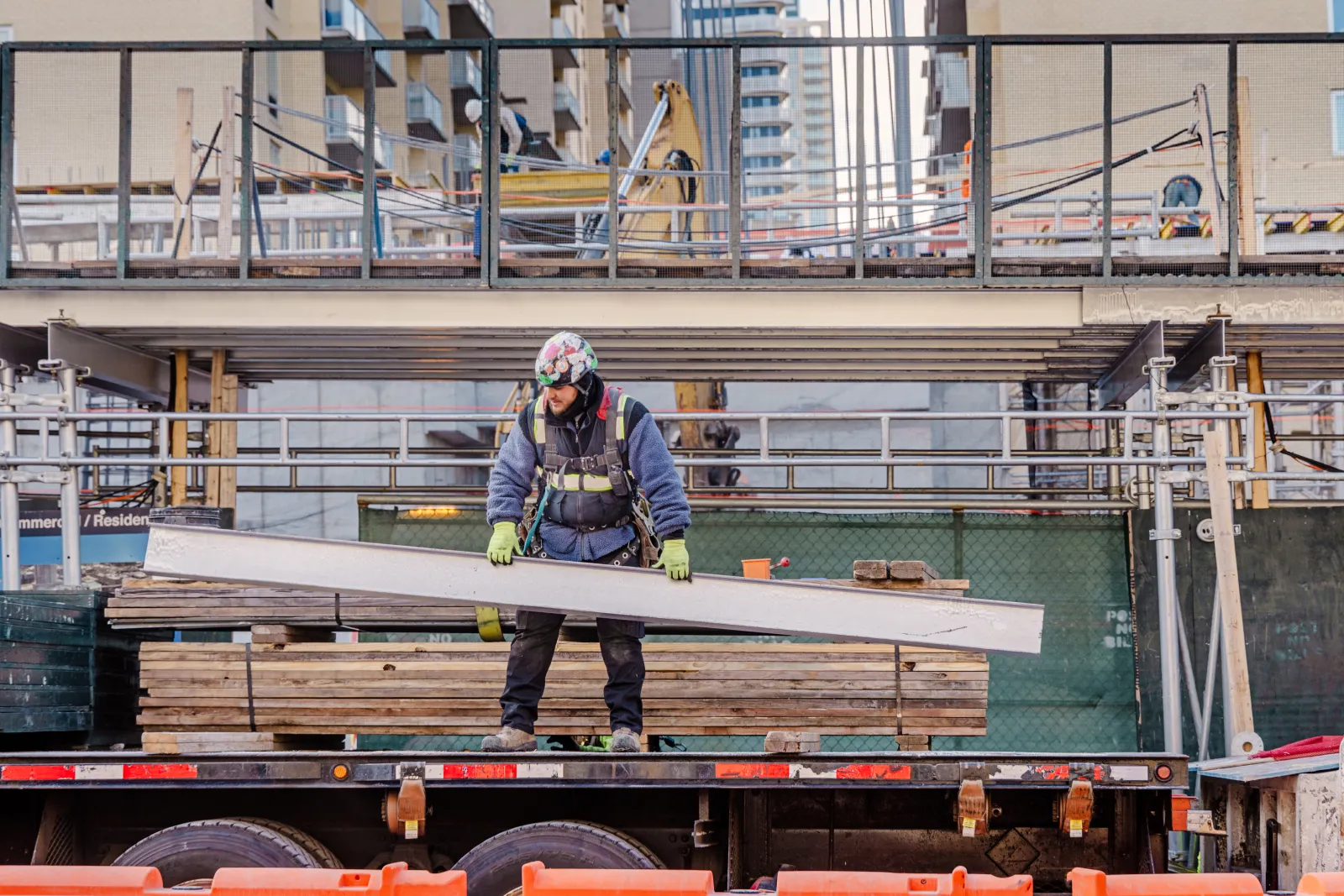
A fresh wave of megaprojects totaling hundreds of billions of dollars in strategic investment is preparing to break ground across the U.S. in 2026.
Why It Matters
These ventures—ranging from advanced manufacturing and energy projects to digital infrastructure—are expected to create thousands of jobs and shift the nation’s economic and technological trajectory.
Read More on News
As traditional commercial and residential construction shows signs of strain, these extremely large-scale investment projects, typically costing $1 billion or more, act as vital engines of growth.
However, they also spotlight persistent labor shortages, supply-chain bottlenecks, and the evolving priorities of American industry.
...
What To Know
At least 10 major megaprojects—each valued over $1 billion—are scheduled to begin construction across the United States in 2026. They promise to help drive U.S. competitiveness in advanced manufacturing, clean energy, digital infrastructure, and sustainable transportation.
Recent data from the Dodge Construction Network (DCN) underscore how concentrated investments in a handful of sectors contrast with lingering stagnation in others, shaping the future of U.S. development.
These initiatives reflect a mix of federal, state, and private investment and span several key industries across energy, transportation, technology, and manufacturing.
1. TSMC Arizona Fabs
TSMC is investing $165 billion to build three advanced semiconductor fabrication plants and an R&D center in Arizona. This initiative strengthens U.S. chip manufacturing and supports innovation in next-generation semiconductor technologies.
2. GlobalWafers 300mm Wafer Plant
GlobalWafers will spend $7.5 billion to establish the nation’s first 300mm silicon wafer facility in Texas. It aims to boost the domestic supply of critical materials for semiconductor production. These wafers are critical for advanced chip production used in AI, 5G, electric vehicles, and other next-generation technologies.
3. LG Energy Solution Arizona Complex
LG Energy Solution is committing $5.5 billion to create a facility in Arizona for electric vehicle battery and energy storage cell production. It will include a cylindrical battery plant producing advanced 46-Series batteries for EVs and an ESS battery plant for lithium iron phosphate pouch-type batteries used in energy storage systems. This project supports the growing EV market and renewable energy storage needs.
4. HSC Steel Production Plant
A $5.8 billion investment will fund an ultra-low carbon steel manufacturing plant in Louisiana. The vast plant, spanning 1,700 acres, will use Electric Arc Furnace technology, which produces 70 percent lower emissions than traditional blast furnaces. It focuses on sustainable steel production to reduce emissions in heavy industry.
5. Calcasieu Pass LNG Export Terminal & Pipeline
This $15.1 billion project in Louisiana will develop new liquefied natural gas export infrastructure, including a terminal and pipeline spanning 85 miles, to expand U.S. energy exports globally.
6. Kingston Energy Complex
A multibillion-dollar energy hub in Tennessee will integrate natural gas, battery storage, and solar power. The complex aims to deliver reliable and diversified energy solutions. Natural gas units will come online by 2027, and battery storage by 2029, marking the retirement of nine coal-fired units at Kingston.
7. Brightline West High-Speed Rail
Brightline is investing more than $21 billion to build a high-speed rail service connecting Las Vegas and Southern California. The project promises faster travel and reduced highway congestion. It is expected to remove three million cars annually from I-15, reducing congestion and emissions. And, it is generating tens of thousands of jobs.
8. Frederick Douglass Tunnel Improvement
A $5.9 billion upgrade to Amtrak’s Northeast Corridor in Maryland will modernize the Frederick Douglass Tunnel, improving rail capacity and reliability for millions of passengers. It includes four new tracks, upgraded signaling, and ventilation systems.
9. Meta Hyperion Data Centre
Meta is allocating $7.5 billion for a cutting-edge data center spanning over 1.4 million square feet, including multiple buildings, in Louisiana. The facility, which will be one of the largest tech infrastructure projects in the state’s history, will enhance cloud services and support the company’s growing digital infrastructure.
10. Amazon Data Centre Expansion
Amazon plans a $15 billion expansion to construct Indiana’s largest-ever data center project. This investment will bolster cloud computing capabilities and regional tech growth. It is expected to create more than 1,000 construction roles and hundreds of permanent tech jobs.
What People Are Saying
Sarah Martin, associate director of forecasting at DCN, said: "Much of the momentum we’re seeing is still concentrated in big-ticket, high-tech projects. Outside those categories, the pace of expansion is noticeably steadier and more restrained."
She added: "Growth in construction starts continued to be propped up by high-value megaproject activity last month. Outside of these high-tech buildings, however, growth appears more moderate. In square footage terms, for example, nonresidential and residential starts declined by 4.3 percent over the month, and are down 5.4 percent year-to-date through October."
Douglas Schrift, global head of infrastructure at Liberty Mutual, told Insurance Business: "Just three or four years ago, billion-dollar projects were rare. Now we see multiple projects of that size every month, and they continue to grow."
What Happens Next
The megaproject surge is expected to continue shaping construction trends into 2026 and beyond, driven largely by massive investments in data centers, semiconductors, and energy export facilities.
However, experts caution that these gains are not uniform across the industry. Broader commercial, healthcare, education, and smaller-scale institutional sectors remain subdued, highlighting an uneven recovery, according to DCN statistics.
The long-term success of these megaprojects will depend on the industry’s ability to address skilled labor shortages, supply-chain logistics, and the environmental impacts associated with large-scale builds.
View 0 Comments
Submit Correction
View Editorial & AI Guidelines