...

By Suzanne Blake
Reporter
0
Share
Newsweek is a Trust Project member
See more of our trusted coverage when you search.Prefer Newsweek on Googleto see more of our trusted coverage when you search.
Millions of Medicare recipients could soon see the cost of popular weight-loss drugs drop dramatically, with some paying as little as $50 a month under a new federal initiative.
The Medicare GLP-1 Bridge program, set to launch July 1, is designed to expand access to a high-demand class of medications that have historically been financially out of reach for many seniors.
Why It Matters
The initiative marks one of the most significant shifts in Medicare drug access in recent years.
Read More on Health Care
Federal restrictions have historically prevented Medicare from covering weight-loss medications. However, GLP-1 drugs have surged in popularity due to their ability to support major weight loss and reduce risks for chronic conditions, including heart disease.
Despite their health benefits, the high cost of GLP-1 medications—which can exceed $900 per month without insurance—has heavily restricted access, particularly for seniors living on fixed incomes. By capping out-of-pocket costs at $50 per month, federal officials could open the door for millions of older Americans to begin treatment.
...
What To Know
Starting July 1, eligible Medicare beneficiaries enrolled in prescription drug coverage will be able to access certain GLP-1 medications for a flat monthly cost of roughly $50.
The temporary "bridge" program is administered by the Centers for Medicare & Medicaid Services (CMS) and is scheduled to run through December 31, 2027.
“These treatments are a major medical advancement, but too many seniors are currently unable to access them due to high cost,” CMS Administrator Dr. Mehmet Oz said in a statement. “The Medicare GLP-1 Bridge changes that by making these medications more affordable and accessible, while advancing our broader goal of helping Americans live healthier lives.”
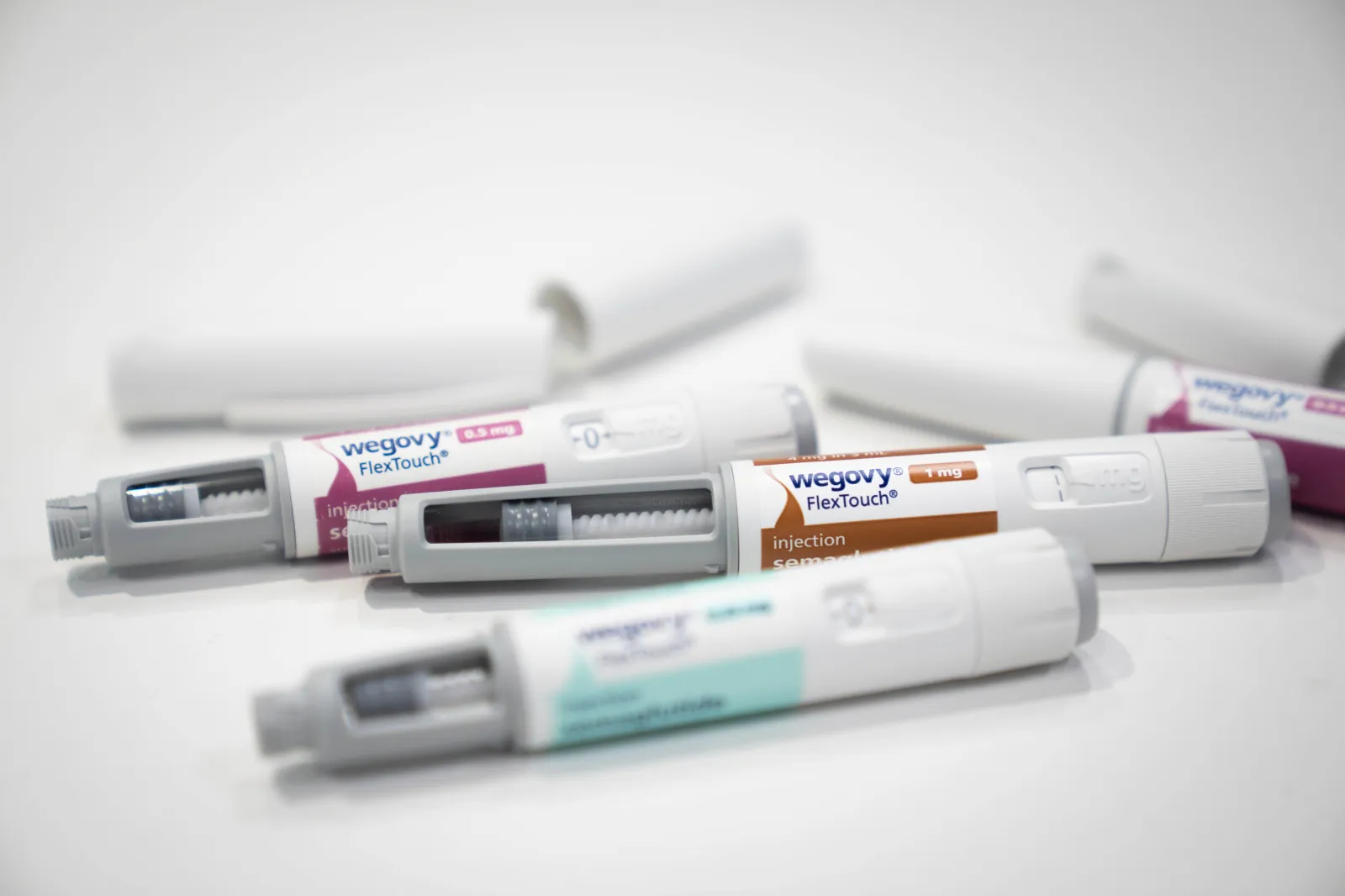
GLP-1 drugs, which include medications like Wegovy, Foundayo, and Zepbound, were originally developed to treat Type 2 diabetes but are now widely prescribed for weight loss and related health conditions.
Experts note that the structure of the program places it outside normal Medicare channels.
“Medicare is effectively testing whether obesity medications can become a benefit for its broad base of participants, but because this program operates outside normal Part D coverage and its $50 payments do not count toward beneficiaries’ annual out-of-pocket totals, access after 2027 will depend on further revisions to either continue the program in its current form or make a more substantial effort to integrate it into existing Medicare services,” Alex Beene, a financial literacy instructor for the University of Tennessee at Martin, told Newsweek.
Who Qualifies
Eligibility typically requires:
- Enrollment in a Medicare Part D or Medicare Advantage drug plan
- A doctor’s prescription and prior authorization
- Meeting medical criteria, such as obesity or certain related conditions
To enroll, patients must work directly with their healthcare providers, who will submit the necessary clinical documentation through a centralized CMS system.
What Medications Are Part of the Medicare GLP-1 Bridge Program
The Medicare GLP-1 Bridge program will give eligible Part D plan members access to:
- Foundayo
- Wegovy (injection or tablet)
- Zepbound (KwikPen)
How the $50 Pricing Works
Unlike standard Medicare drug benefits, the program operates independently of traditional Part D coverage rules. The $50 monthly fee is a flat copay for a 30-day supply, meaning these expenditures will not count toward a beneficiary's deductible or annual out-of-pocket threshold.
“This bridge program will now allow Medicare beneficiaries access to GLP-1 medications for weight loss through a monthly subscription model, which raises important questions about who pays, how much it will cost, and whether the program can be sustained long term,” Kevin Thompson, the CEO of 9i Capital Group and the host of the 9innings podcast, told Newsweek.
Thompson also cautioned that healthcare providers and patients still lack clarity on the long-term implications of the treatments.
“What we do know is that many people regain weight quickly after stopping them, which suggests this may become a lifelong medication for many users,” he said. “From a financial standpoint, someone is ultimately footing the bill, and right now there are very few answers about what happens after December 31, 2027.”
What This Means for You
If you’re on Medicare, here’s what to do:
- Check eligibility: Talk to your doctor about whether you qualify.
- Confirm drug coverage: Not every GLP‑1 medication is included.
- Prepare for July 1: The program launches nationwide on that date.
What Happens Next
The GLP‑1 Bridge is temporary and intended to inform CMS’s future policy decisions.
The long-term outlook remains uncertain. If Congress or CMS chooses not to extend the program past 2027, patient access could lapse, potentially reversing the health improvements achieved during the program.
“The greatest concern is that while in the short-term the program could provide health benefits to those who need help with weight management, in the long-term those same problems could return if there is a failure to extend the program past its current end date,” Beene said.
Contact Newsweek editors on this story: Jason Lemon and Anthony Murray.
View 0 Comments
Submit Correction
View Editorial & AI Guidelines