...

By Suzanne Blake
Reporter
0
Share
Newsweek is a Trust Project member
See more of our trusted coverage when you search.Prefer Newsweek on Googleto see more of our trusted coverage when you search.
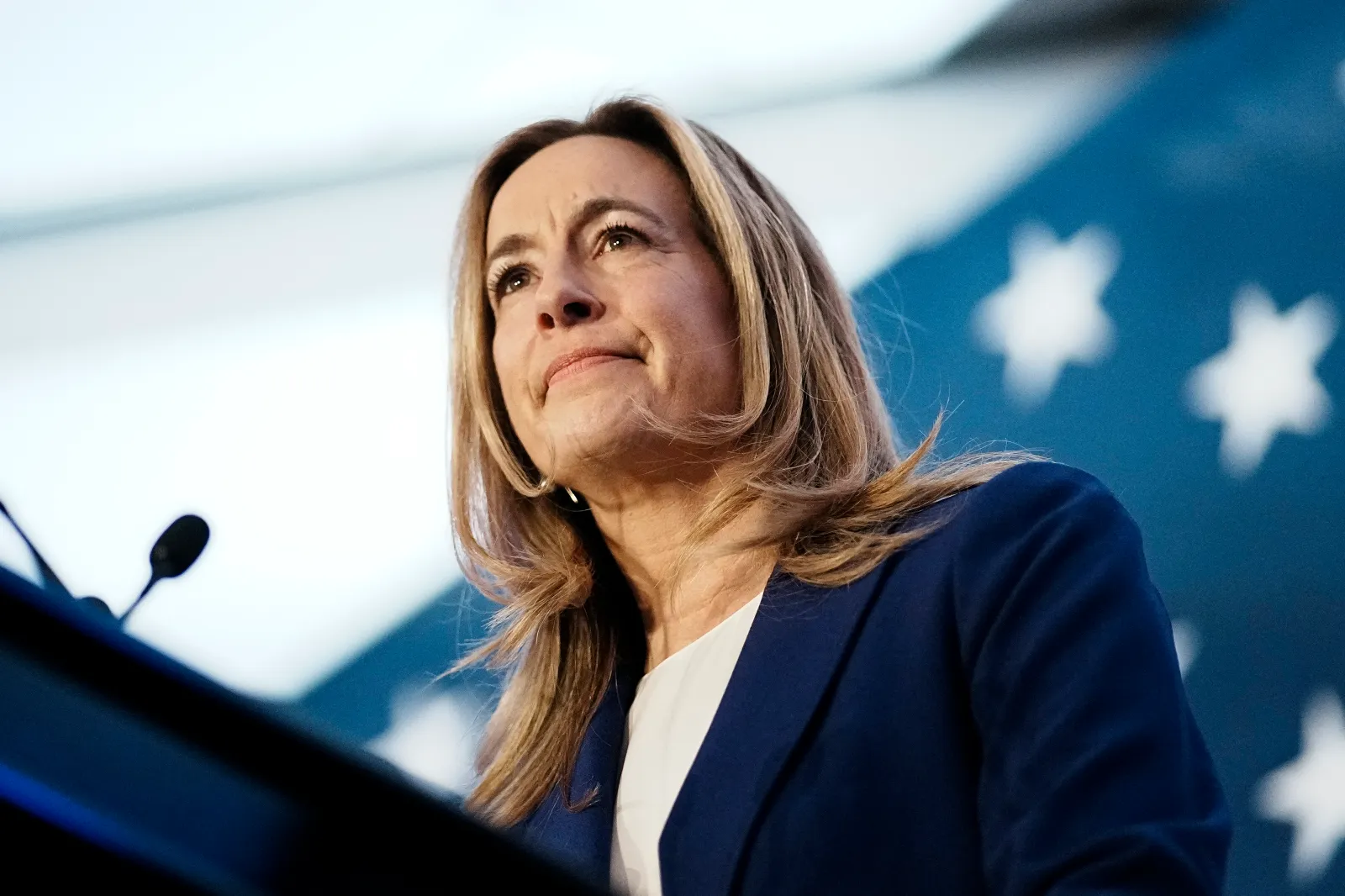
New Jersey Governor Mikie Sherrill is proposing a major shift in how the state pays for Medicaid, unveiling a plan that would require large employers to either provide health insurance to workers currently on Medicaid or pay a new fee to the state.
Under the proposal, announced as part of Sherrill’s first budget plan, companies with 50 or more employees enrolled in Medicaid could be charged up to $725 per worker each year.
The administration estimates the policy would raise about $145 million annually, helping offset the rising cost of the state’s Medicaid program, NJ FamilyCare.
Read More on Politics
Why It Matters
The proposal could significantly reshape who pays for health coverage for hundreds of thousands of New Jersey workers and taxpayers.
State officials say New Jersey taxpayers currently spend hundreds of millions of dollars each year to cover Medicaid costs for employees of large companies that do not provide affordable health insurance. By shifting some of that financial responsibility to employers with large numbers of workers enrolled in Medicaid, the governor argues the state can reduce the strain on public finances.
...
What To Know
Sherrill said New Jersey taxpayers currently spend hundreds of millions of dollars each year covering health care costs for workers employed by large corporations that do not offer adequate health insurance. She specifically references companies such as Amazon, Walmart, and Target as examples of employers whose workers rely on Medicaid for coverage.
“Instead of asking taxpayers to foot that bill, this budget looks to large employers. It asks any company with 50 or more employees on Medicaid—companies like Amazon and Walmart—to cover their workers, which they should do anyway, or pay a fine,” Sherrill said Tuesday.
The governor said the proposal is designed to help workers in lower-wage jobs, including warehouse employees, cashiers, and health care aides, while also easing financial pressure on hospitals.
However, the actual impact on Medicaid would likely be negligible, according to Kevin Thompson, the CEO of 9i Capital Group.
“Many people remain on Medicaid because paying employer health care would actually reduce their take-home pay, so the incentives simply don’t align,” Thompson, the host of the 9innings podcast, said. “The real solution would be higher wages so workers can afford coverage without losing income, but that rarely happens because it raises costs for employers.”
Under the governor’s $60.7 billion budget proposal, New Jersey would spend roughly $28 billion on Medicaid in the coming year. The program currently provides coverage to about 1.8 million residents, including many people with disabilities and individuals living in nursing homes.
What People Are Saying
Alex Beene, a financial literacy instructor for the University of Tennessee at Martin, told Newsweek: “As state budgets get tighter, governments are looking for any way they can either make cuts or bring in additional revenue to offset costs. In the case of New Jersey and some other states, there are significant numbers of residents obtaining Medicaid coverage that work for major companies. By attempting to tax these employers, these states could recoup some funding be used on their employees for health coverage.”
9i Capital Group CEO Kevin Thompson told Newsweek: “This becomes a difficult balancing act. Whether it passes or not, the risk is the same: more part-time workers or fewer jobs. And with heavy lobbying from large employers, I’d expect this to face significant resistance at the state level.”
What Happens Next
Sherrill’s budget proposal now heads to the New Jersey Legislature, where lawmakers will review the plan and debate whether to approve, amend, or reject the proposed employer Medicaid fees as part of the broader budget process.
“While these proposals haven’t gained steam in the past, they may have more of a chance with health care costs increasing and less federal assistance,” Beene said.
In a polarized era, the center is dismissed as bland. At Newsweek, ours is different: The Courageous Center—it's not "both sides," it's sharp, challenging and alive with ideas. We follow facts, not factions. If that sounds like the kind of journalism you want to see thrive, we need you.
When you become a Newsweek Member, you support a mission to keep the center strong and vibrant. Members enjoy: Ad-free browsing, exclusive content and editor conversations. Help keep the center courageous. Join today.


View 0 Comments
Submit Correction
View Editorial & AI Guidelines