...

By Amanda Greenwood
Associate News Editor
0
Share
Newsweek is a Trust Project member
See more of our trusted coverage when you search.Prefer Newsweek on Googleto see more of our trusted coverage when you search.
Thousands of people who receive full Medicaid or Children's Health Insurance Program (CHIP) benefits could lose federally funded coverage later this year under new guidance issued by the Centers for Medicare & Medicaid Services (CMS).
What CMS Announced
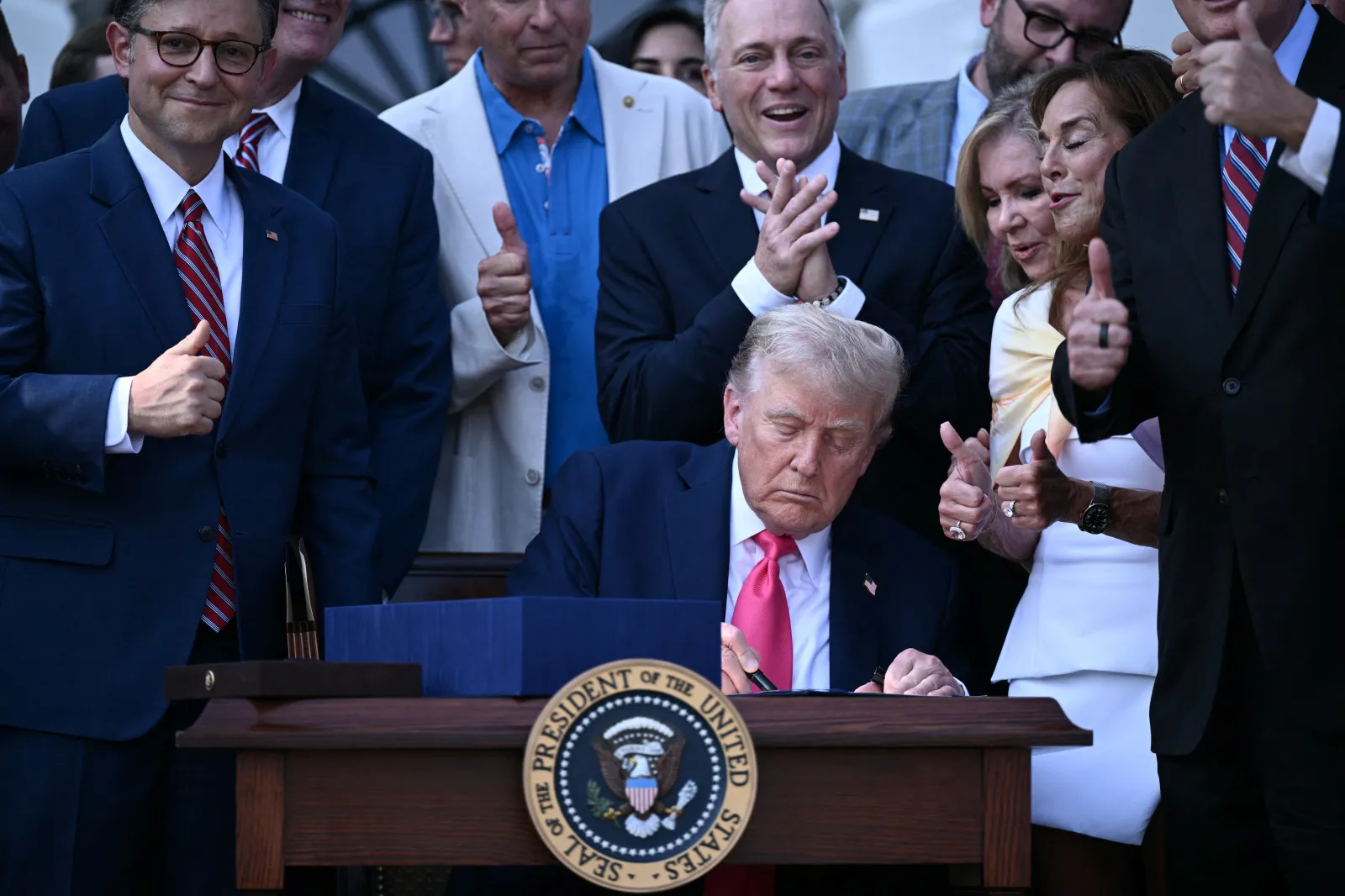
CMS said the guidance is intended to help states carry out the Working Families Tax Cut legislation, which was passed in 2025 and restricts federal Medicaid and CHIP funding for certain noncitizens.
Read More on Politics
While the law does not change any immigration status definitions, it alters when federal dollars can be used to support coverage.
According to the American Hospital Association (AHA), under the updated policy, states will be able to claim federal Medicaid and CHIP matching funds only for U.S. citizens and nationals, lawful permanent residents, certain Cuban and Haitian entrants, and migrants lawfully residing in the U.S. under the Compacts of Free Association.
The CMS confirmed that the new rules are scheduled to take effect on October 1, by which time states must update eligibility systems and notify affected enrollees.
...
Who Could Lose Medicaid Coverage
The funding shift affects groups of lawfully present noncitizens who were previously eligible for full Medicaid or CHIP benefits with federal support.
The CMS and AHA established that these include refugees, asylees, parolees and survivors of trafficking who do not fall into the newly specified eligibility categories.
States are allowed, but not required, to provide state‑funded coverage for individuals who lose access to federal funding, meaning some enrollees could retain their benefits if states choose to backfill the funding gap, according to the AHA.
What Coverage Will Remain
Despite the changes, certain protections are expected to remain in place. The CMS confirmed that federal matching funds would still be available for emergency Medicaid, which covers treatment for emergency medical conditions regardless of immigration status.
The guidance also confirms that the policy does not affect states' existing option to cover lawfully residing children and pregnant women under Medicaid and CHIP, nor does it alter funding for CHIP health services initiatives.
What States Are Required To Do
Ahead of the October 1 deadline, the CMS is instructing states to take the following steps:
- Conduct eligibility redeterminations for affected enrollees to determine whether individuals still qualify for federal Medicaid and CHIP funding.
- Revise application systems so forms reflect the new eligibility rules.
- Update verification processes to ensure the correct eligibility information is being asked for and confirmed.
- Amend contracts with insurance plans to account for who can and can't be covered.
- Update billing and payment systems to prevent states from requesting federal reimbursement for individuals who are no longer eligible.
- File updated Medicaid and CHIP state plan amendments to reflect the funding changes.
The agency said it would provide technical assistance and continued oversight to ensure compliance and accurate claiming of federal funds.
Broader Implications of Medicaid Changes
CMS officials described the guidance as a necessary step to enforce existing federal law and safeguard taxpayer‑funded health care programs.
The changes could increase the number of uninsured people and place added financial strain on states with large immigrant populations.
As the October deadline approaches, states must decide whether to absorb the cost of continued coverage or allow thousands of residents to transition to more limited care options.
View 0 Comments
Submit Correction
View Editorial & AI Guidelines